
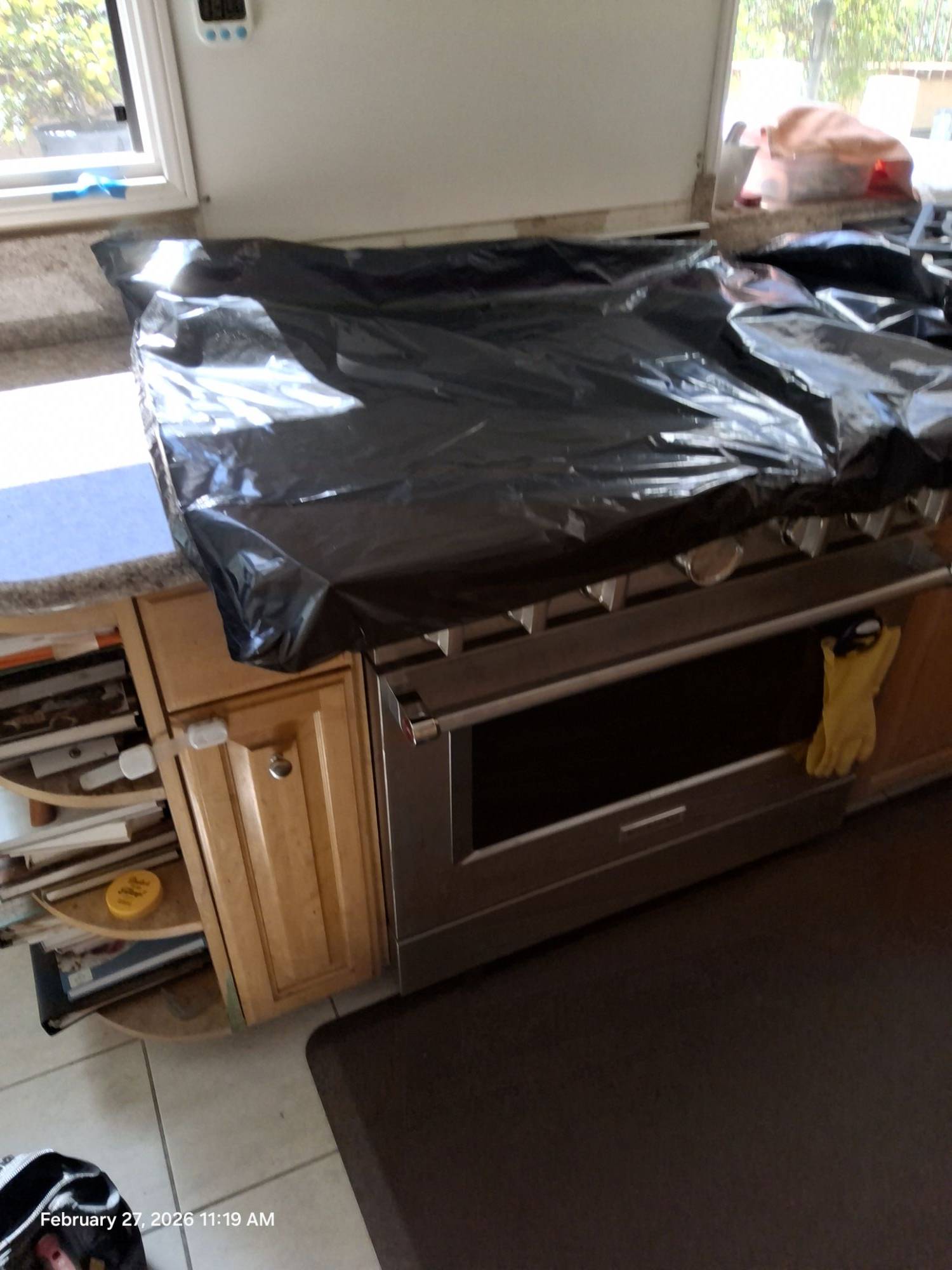
A Wolf gas range is built for precision cooking, but even premium appliances can develop problems over time. One of the most frustrating issues homeowners experience is when the burner knob turns normally, yet no flame appears. You may hear no clicking sound, notice no smell of gas, or find that every burner refuses to ignite. While the problem may seem simple, several different components can be responsible. Understanding the possible causes can help you recognize when the issue requires professional attention and prevent further damage to your appliance.
Faulty Ignition Switch
One of the most common reasons a Wolf gas range burner fails to light is a defective ignition switch. Every burner knob is connected to a switch that sends electricity to the spark ignition system when you turn the knob. If the switch fails, the igniter never receives power, meaning no spark is created to ignite the gas. Symptoms of a faulty ignition switch include:- No clicking sound when the knob is turned
- Only one burner refuses to ignite while others work normally
- Intermittent ignition that becomes worse over time
- Burner lights only after repeated attempts
Problems with the Gas Supply
If the ignition system is functioning but no flame appears, the burner may not be receiving gas. Several gas supply issues can prevent proper operation:- Closed or partially closed gas shut-off valve
- Low gas pressure
- Problems with the home’s gas supply
- Blocked gas lines
- Internal regulator malfunction
Clogged Burner Ports
Burner ports distribute gas evenly around the burner head before ignition occurs. Over time, grease, food debris, and cooking residue can block these tiny openings. When enough ports become clogged, gas flow becomes restricted, preventing proper ignition. Signs of clogged burner ports include:- Weak or uneven flame
- Delayed ignition
- Clicking without ignition
- Flame appearing on only one side of the burner
Dirty or Damaged Spark Electrode
The spark electrode creates the electrical spark that ignites the gas. If it becomes coated with grease, cracked, or misaligned, the spark may become too weak to ignite the burner. Common symptoms include:- Continuous clicking
- Visible spark without flame
- Delayed ignition
- Burner ignites only occasionally
Defective Spark Module
The spark module supplies voltage to every ignition electrode on the cooktop. If it begins to fail, multiple burners may stop lighting or ignite inconsistently. Possible signs include:- No clicking from any burner
- Some burners work while others do not
- Random ignition failures
- Weak or inconsistent sparks
Moisture Inside the Ignition System
Water entering the ignition system is surprisingly common after deep cleaning or liquid spills. Moisture can interfere with electrical signals, causing:- Constant clicking
- No spark
- Delayed ignition
- Temporary burner failure
Worn Burner Valve
The burner valve regulates gas flow as you turn the knob. If the valve becomes worn or internally damaged, it may fail to open properly, even though the knob rotates normally. Symptoms include:- Knob feels loose
- No gas reaches the burner
- Burner intermittently ignites
- Gas flow appears inconsistent
Electronic Control Problems
Some Wolf gas ranges incorporate electronic controls that communicate with various ignition components. A malfunctioning control board may interrupt the ignition sequence, leading to burners that fail to light despite otherwise functional components. Although electronic board failures are less common, they should be considered after other possibilities have been ruled out.Why Prompt Repairs Matter
Ignoring ignition problems can lead to larger and more expensive repairs. Repeated failed ignition attempts place additional stress on electrical components, while unresolved gas flow issues may create significant safety concerns. Prompt service helps:- Restore reliable burner performance
- Prevent damage to additional components
- Improve cooking efficiency
- Reduce repair costs
- Maintain safe appliance operation