
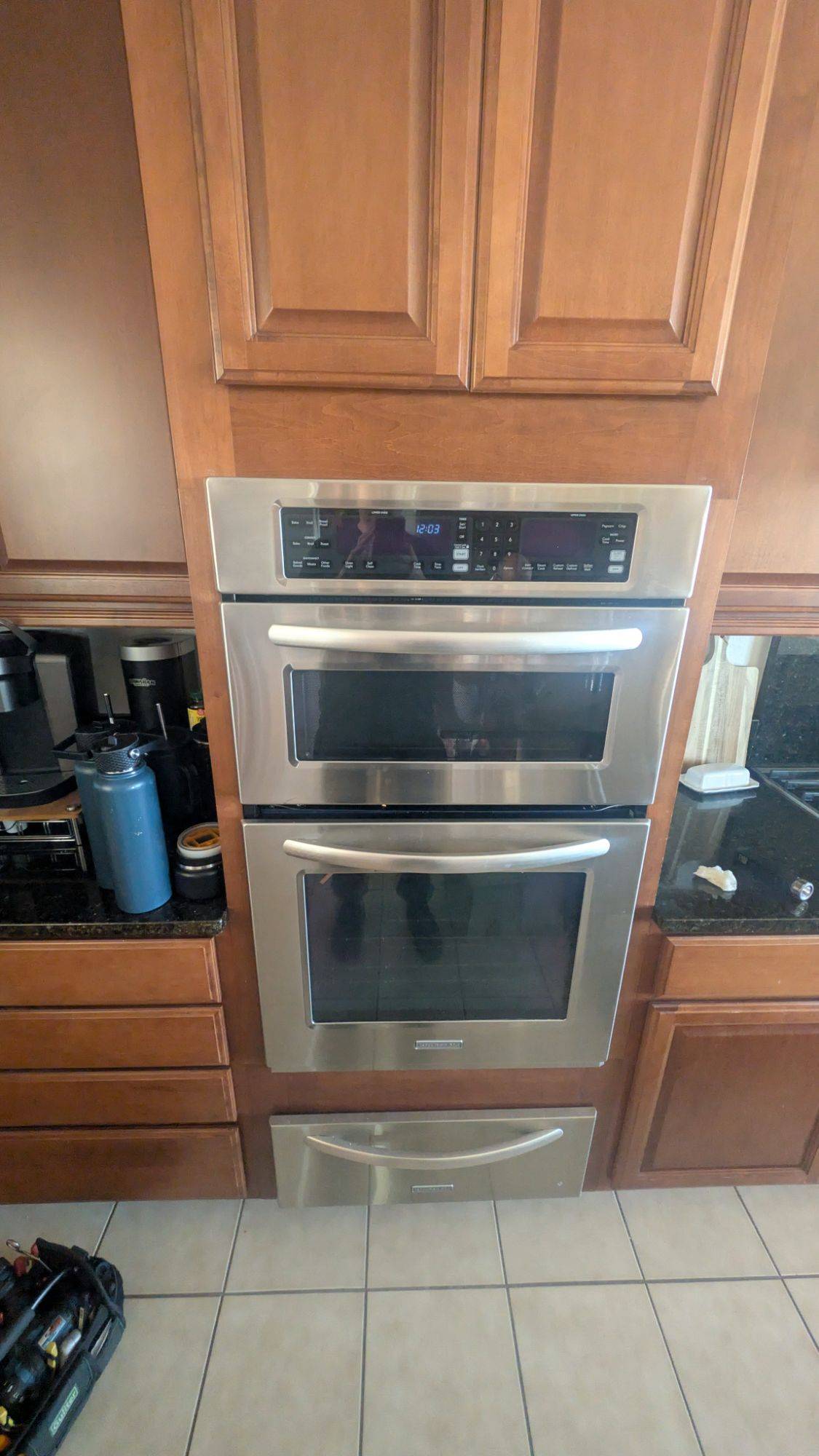
A Samsung oven is designed to reach the selected cooking temperature within a reasonable amount of time. While preheating may take several minutes depending on the temperature, cooking mode, and oven model, an unusually long preheating cycle can indicate a mechanical or electrical problem. If your Samsung oven takes much longer than usual to heat up, struggles to reach the desired temperature, or never produces enough heat, it may be experiencing an issue with the igniter or heating element.
One of the first things to consider is the type of Samsung oven you own. Gas ovens rely on an igniter to light the burner and generate heat, while electric models use heating elements to raise the temperature inside the cooking compartment. Although these systems operate differently, both can develop faults that affect preheating performance. Identifying the source of the problem early can help prevent inconsistent cooking and more expensive repairs.
In Samsung gas ovens, a weak or failing igniter is a common reason for slow preheating. The igniter is responsible for generating enough heat to open the gas safety valve and ignite the burner. When the component is functioning correctly, it should heat up quickly and allow the oven to begin producing heat shortly after the cooking cycle starts. However, an aging igniter may take longer to reach the required temperature or may fail to activate the burner consistently.
A weakened igniter does not always stop working completely. In many cases, it continues to glow but cannot generate enough heat to trigger the gas valve at the correct time. As a result, the oven may eventually ignite but take significantly longer to preheat. You might also notice that the oven temperature fluctuates or that food takes longer to cook than the recipe recommends. If the igniter is deteriorating, replacing it is usually the most effective solution. A technician can test its electrical performance and determine whether it needs replacement.
Another possible cause is a damaged or worn-out heating element in an electric Samsung oven. Most electric ovens use separate heating elements for baking and broiling. The bake element is generally located at the bottom of the oven, while the broil element is positioned near the upper interior surface. Both components contribute to maintaining the required cooking temperature, depending on the selected mode and model design.
When a heating element becomes damaged, it may not produce enough heat to bring the oven to the desired temperature within the normal timeframe. Sometimes the problem is visible as blistering, cracks, discoloration, or damaged areas on the element. In other situations, the component may look normal but have an internal electrical failure. A multimeter test can help determine whether the heating element has proper electrical continuity. If it is defective, replacement is generally necessary to restore normal heating performance.
The oven temperature sensor is another component worth checking when preheating takes too long. This sensor monitors the temperature inside the cooking compartment and sends information to the electronic control board. The control system uses these readings to regulate the heating elements or gas burner. If the sensor provides inaccurate information, the oven may incorrectly determine that it has already reached the selected temperature or may struggle to maintain consistent heat.
A faulty temperature sensor can cause several symptoms, including inaccurate cooking temperatures, extended preheating times, uneven baking, and unexpected temperature fluctuations. In some cases, the oven may display an error code. A professional technician can measure the sensor’s resistance and compare the results with the manufacturer’s specifications to determine whether it is operating correctly.
The electronic control board can also contribute to slow preheating. This component manages the oven’s heating functions and coordinates communication between the temperature sensor, heating elements, igniter, and other electrical components. If the control board develops a fault, it may fail to send the correct signals to the heating system. Depending on the nature of the malfunction, the oven may heat intermittently, take too long to reach the selected temperature, or fail to activate one of its heating components.
Before assuming that a major component has failed, it is worth checking a few basic conditions. Make sure the oven door closes completely and that the door gasket is not torn, loose, or excessively worn. A damaged seal allows heat to escape, making it more difficult for the oven to maintain the desired temperature. Also, avoid opening the door repeatedly during preheating, as this releases hot air and extends the heating process.
Incorrect oven settings can sometimes create the impression of a heating problem. Different cooking modes may use different heating elements and temperature control strategies. For example, convection cooking operates differently from conventional baking, and preheating times can vary between modes. Always check that the correct cooking function and temperature have been selected.
If your Samsung oven consistently takes much longer to preheat than it did previously, professional diagnosis is recommended. Continuing to use an oven with a failing igniter, heating element, or temperature sensor can result in unreliable cooking performance. In gas models, ignition problems also require particular attention because faulty ignition components can create unsafe operating conditions. Never attempt to bypass gas safety components or perform repairs on live electrical circuits.
At San Diego Appliance Repair Service, we provide professional Samsung oven diagnostics and repair services. Our technicians can inspect the igniter, heating elements, temperature sensor, electronic control board, and other components responsible for proper oven operation. We focus on identifying the actual cause of the problem rather than replacing parts unnecessarily.
Whether your Samsung oven takes too long to preheat, cannot reach the selected temperature, or heats inconsistently, timely professional repair can help restore its performance and reliability. Do not let a heating problem interfere with your daily cooking routine.
Contact San Diego Appliance Repair Service today to schedule your Samsung oven inspection and repair. Let our experienced technicians get your oven heating properly again.
Contact us
(619) 719-5005
[email protected]