
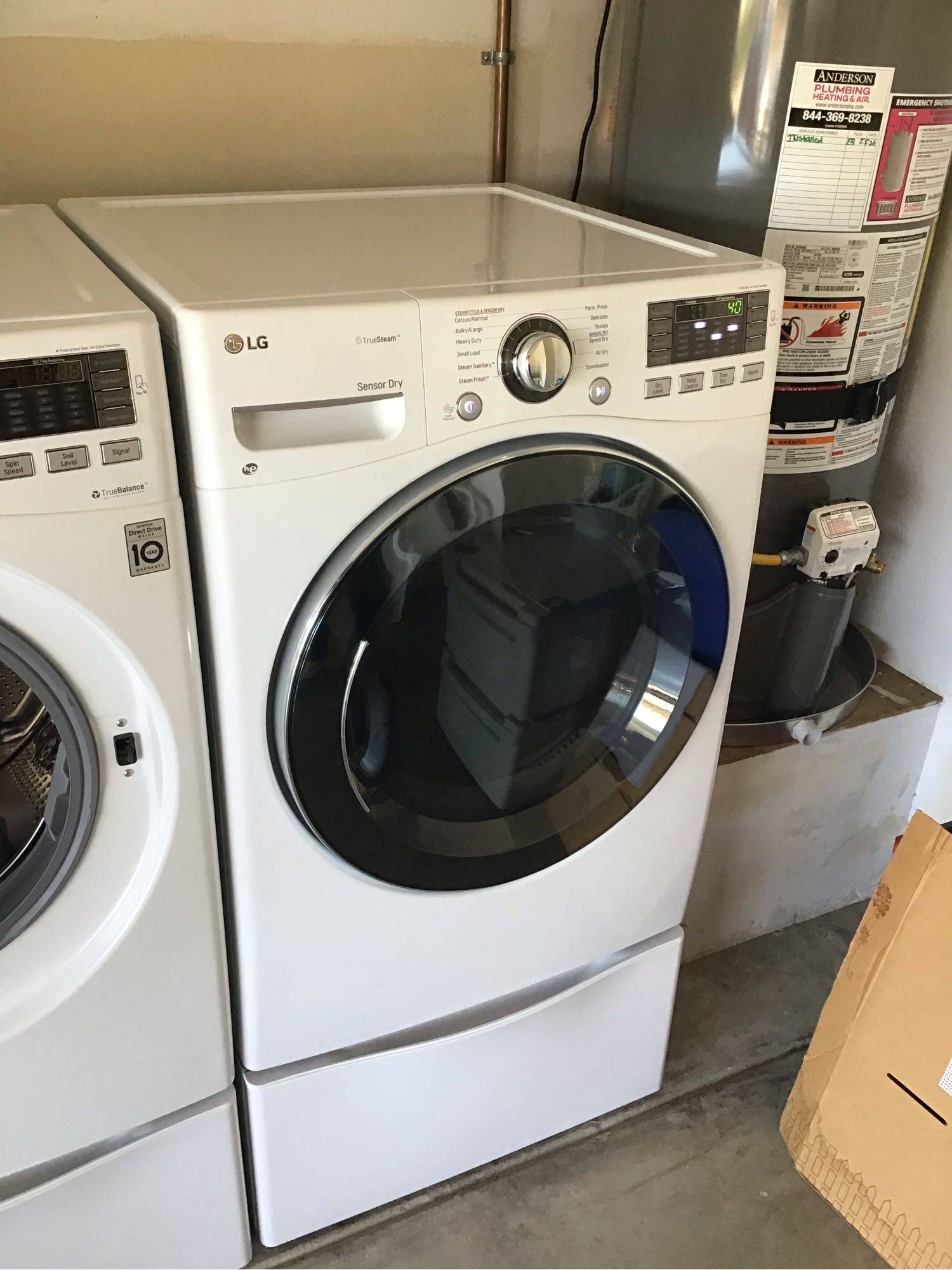
LG washing machines are equipped with automatic water level detection systems designed to ensure efficient washing and prevent excessive water consumption. However, when the water level rises above the normal limit, the appliance may have a malfunctioning sensor, defective inlet valve, or electronic control system problem. For homeowners in San Diego, addressing washing machine overfilling promptly is essential to prevent water damage, increased utility bills, and expensive appliance repairs.
How Does an LG Washing Machine Regulate Water Levels?
Modern LG washing machines use a water level sensing system to determine how much water is required for each washing cycle. The pressure sensor monitors changes in air pressure corresponding to the amount of water inside the tub. This information is transmitted to the electronic control board, which regulates the water inlet valve. Once the required water level is reached, the control board signals the inlet valve to close. If any component within this system malfunctions, water may continue entering the washing machine beyond the recommended limit.Faulty Water Level Pressure Switch
A defective pressure switch or electronic pressure sensor is one of the most common reasons an LG washing machine overfills. When this component fails, it may provide inaccurate information about the amount of water inside the tub. Consequently, the control board may continue requesting additional water even when the required level has been reached. Common signs of pressure sensor failure include:- Excessive water inside the washing machine.
- Inconsistent water levels between cycles.
- Interrupted washing programs.
- Unexpected water level error codes.
- Continuous water intake during operation.
Damaged or Blocked Pressure Hose
The pressure sensor is typically connected to the washing machine tub through a small air pressure hose. Over time, detergent residue, debris, or other contaminants may obstruct this hose or its associated air chamber. Cracks, loose connections, and air leaks can also interfere with accurate pressure measurements. When the pressure sensor receives incorrect information, the washing machine may continue filling unnecessarily. Inspecting and replacing damaged pressure system components can help restore accurate water level detection.Defective Water Inlet Valve
The water inlet valve controls the flow of hot and cold water into the washing machine. Internal wear, mineral deposits, or mechanical damage may prevent the valve from closing completely. As a result, water can continue entering the appliance even after the control board stops requesting it. A particularly noticeable sign of inlet valve failure is water entering the drum while the washing machine is switched off or disconnected from power. If this occurs, immediately shut off the water supply and arrange professional washing machine repair in San Diego.Electronic Control Board Failure
The main electronic control board coordinates washing machine functions, including water intake, drainage, and drum rotation. A malfunctioning control board may fail to process water level information correctly or continue supplying power to the inlet valve after the required water level has been reached. Electronic failures may result from power surges, moisture exposure, overheating, or component deterioration. Additional warning signs include unresponsive controls, interrupted cycles, unexpected error messages, and inconsistent appliance performance. Accurate diagnostics are necessary before replacing expensive electronic components.Damaged Wiring and Electrical Connections
The water level sensor, inlet valve, and control board depend on reliable electrical communication. Damaged wires, loose connectors, and corroded contacts may interrupt signals between these components. Repeated vibration during washing and spinning cycles can contribute to connection problems over time. Even when individual components remain functional, electrical connection faults may prevent the washing machine from regulating water levels correctly. Professional technicians can inspect the wiring system and identify hidden electrical problems.Excessive Detergent and Foam Accumulation
Using too much detergent or products unsuitable for high-efficiency washing machines can generate excessive foam. Heavy foam accumulation may interfere with water level detection and cause the appliance to perform additional rinsing cyclesAlways use the recommended high-efficiency detergent and adjust the quantity according to load size and water hardness. Proper detergent usage helps maintain washing efficiency and reduces unnecessary strain on internal components.What Should You Do if Your LG Washing Machine Overfills?
Excessive water levels should never be ignored. If your washing machine continues filling beyond the normal limit, follow these precautions:- Stop the washing cycle immediately.
- Shut off the hot and cold water supply valves.
- Disconnect the appliance from power if it is safe to do so.
- Check for visible water leaks.
- Record any displayed error codes.
- Avoid restarting the appliance until the problem has been identified.