
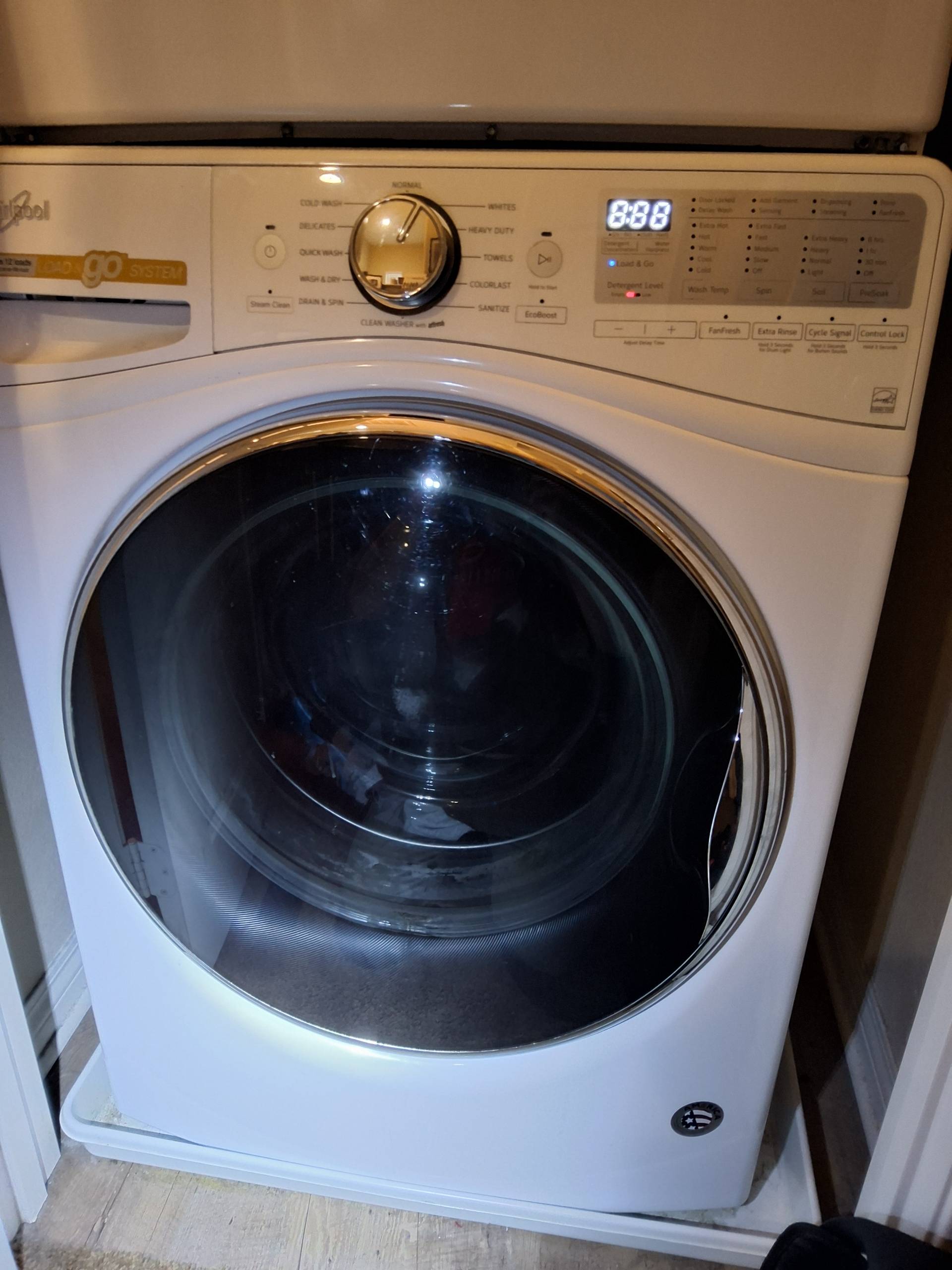
A Speed Queen washing machine is known for its durability and dependable performance, making unusual noises especially noticeable. If your washer begins making a squeaking sound during the wash cycle, it should not be dismissed as a normal part of operation. While a brief squeak may occasionally occur as components shift under load, persistent or increasingly loud squeaking often signals that a part of the drive system is wearing out.
One of the most common causes is a worn drive belt or a damaged pulley. However, other mechanical components can produce similar sounds, making an accurate diagnosis essential. Addressing the problem early can prevent additional damage and help extend the life of your washing machine.
How the Drive System Works
The drive system transfers power from the motor to the wash basket and allows the drum or agitator to move during washing and spinning. Depending on the Speed Queen model, this system includes the drive motor, drive belt, pulleys, bearings, and tension components. These parts operate under constant stress. Over years of regular use, friction gradually wears down belts, pulley surfaces, and bearings. As components begin to deteriorate, squeaking is often one of the first warning signs.Worn Drive Belt
The drive belt connects the motor to the transmission or drum pulley. It must maintain proper tension while rotating at varying speeds throughout the wash cycle. As the belt ages, it can become:- Stretched
- Glazed
- Cracked
- Hardened
- Frayed
- Slow drum movement
- Reduced spin performance
- Burning rubber odor
- Belt dust underneath the washer
Worn or Damaged Drive Pulley
The drive pulley guides the belt and helps transfer power efficiently. Over time, the pulley surface may become worn, warped, or damaged by continuous friction. A damaged pulley prevents the belt from tracking smoothly, resulting in squeaking during operation. Signs of pulley wear include:- Squeaking throughout the wash cycle
- Belt slipping
- Uneven belt wear
- Clicking or grinding in addition to squeaking
Loose Belt Tension
Proper belt tension is essential for quiet operation. If the belt becomes too loose due to wear or improper adjustment, it may slip whenever the motor accelerates or the drum encounters resistance from heavy laundry. This often produces an intermittent squeaking noise that becomes more noticeable during agitation or spin. A technician can determine whether the belt requires adjustment or replacement.Drum Bearings Beginning to Wear
Although worn bearings typically produce a rumbling sound, early bearing wear may initially create a light squeak. As lubrication breaks down inside the bearings, increased friction develops between moving surfaces. Additional warning signs include:- Increasing noise over time
- Slight drum wobble
- Rough drum movement
- Louder sounds during spin cycles
Motor Pulley Problems
The motor pulley rotates at high speed and experiences continuous stress. If the pulley becomes loose, bent, or damaged, it may produce squeaking every time the motor turns. Technicians inspect both the motor pulley and drum pulley to determine which component is generating the noise.Suspension Components
In some cases, worn suspension rods or dampers allow excessive movement inside the washer. This movement changes belt alignment and places uneven stress on the pulley system, creating squeaks during agitation. Replacing worn suspension parts can restore proper alignment and eliminate unnecessary strain on the drive system.Overloaded Wash Loads
Frequently washing oversized loads places extra stress on every moving component. Heavy loads increase resistance on the drive belt and pulleys, accelerating wear and increasing the likelihood of squeaking. To reduce unnecessary strain:- Follow recommended load capacities.
- Distribute laundry evenly.
- Wash bulky items separately when appropriate.
Why You Shouldn’t Ignore Squeaking
Many homeowners continue using the washer because it still completes cycles despite the noise. However, squeaking often indicates that friction is increasing inside the drive system. Ignoring the problem may eventually lead to:- Broken drive belt
- Damaged pulleys
- Motor overload
- Reduced spin efficiency
- Costlier repairs
Preventing Drive System Wear
Routine maintenance can help reduce wear on the washer’s moving parts. Helpful maintenance practices include:- Avoid overloading the drum.
- Level the washer properly.
- Remove heavy loads promptly after washing.
- Inspect for unusual noises regularly.
- Address small issues before they worsen.
- Schedule professional maintenance if performance changes.