
loading
PRO 31 08
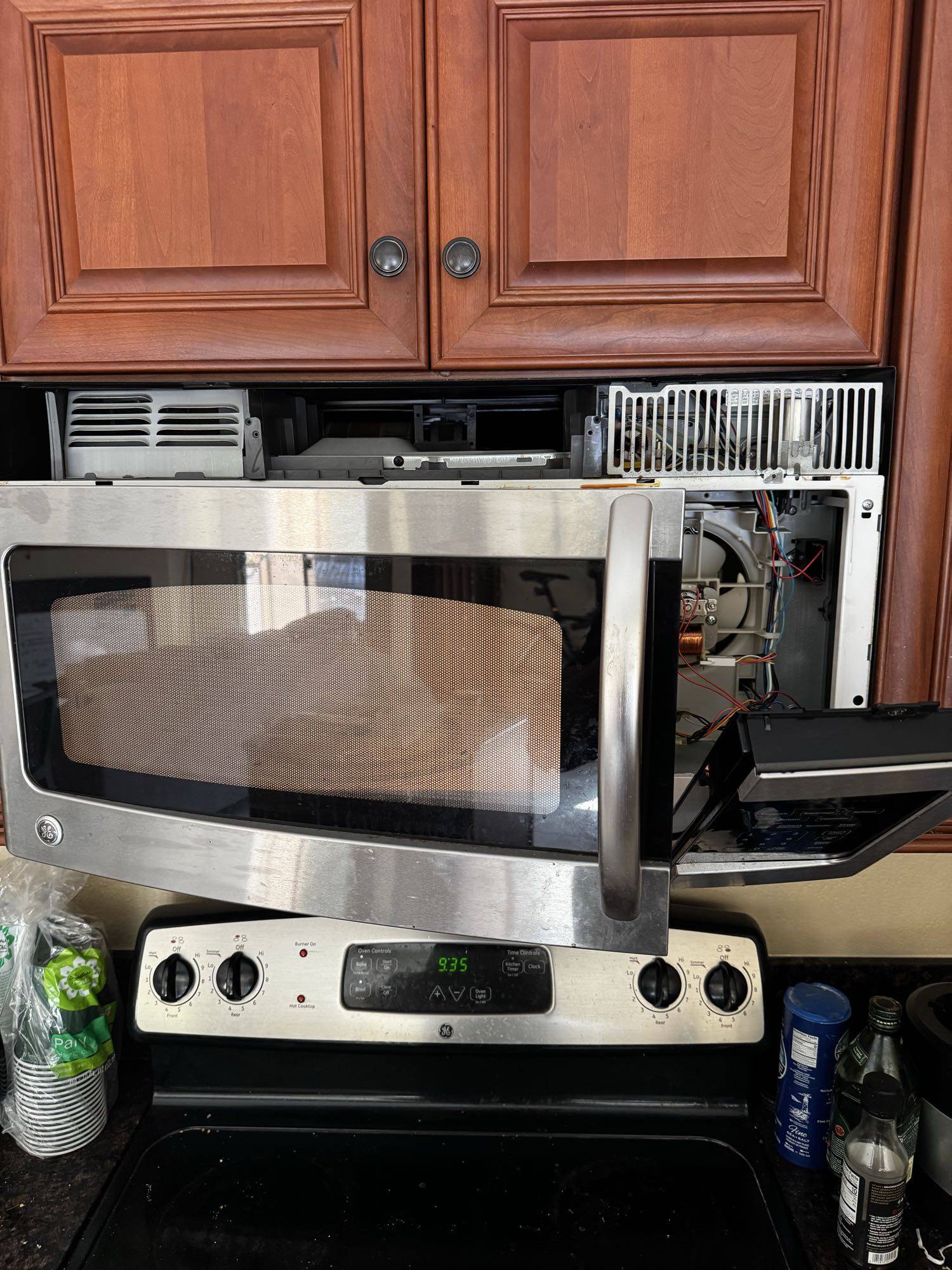
An LG microwave that repeatedly trips the circuit breaker should not be ignored. When the breaker shuts off as soon as the microwave starts, the problem may involve an electrical short, damaged wiring, a failing high-voltage component, or another internal fault. Continuing to reset the breaker and use the appliance can increase the risk of electrical damage and should be avoided until the cause is identified. A microwave oven contains high-voltage components that can remain dangerous even after the appliance has been unplugged. For that reason, internal electrical diagnostics and repairs should be handled by a qualified appliance technician.

Why Does an LG Microwave Trip the Breaker?

The circuit breaker is designed to protect the electrical system when excessive current or a short circuit occurs. If an LG microwave suddenly causes the breaker to trip, the appliance may be drawing more electricity than the circuit can safely handle. The timing of the trip can provide useful information. If the breaker trips immediately after the microwave is turned on, an electrical short or failed component may be involved. If it trips after the microwave has been running for several seconds or minutes, the problem could be related to a component that begins drawing excessive current once the high-voltage system activates. Several causes are possible.

Failed High-Voltage Capacitor

The high-voltage capacitor is an important part of the microwave’s power system. It works with other high-voltage components to provide the electrical conditions required for the magnetron to generate microwave energy. A defective capacitor can cause abnormal current flow and may result in the circuit breaker tripping when the microwave begins heating. In some cases, the appliance may operate normally in standby mode but trip the breaker as soon as a heating cycle starts. A capacitor failure should not be diagnosed by simply opening the microwave and inspecting the component. Microwave capacitors can retain a dangerous electrical charge even when the appliance is disconnected from power. Proper testing requires specialized knowledge and safety procedures.

Damaged or Shorted Wiring

Internal wiring can also cause an LG microwave to trip the breaker. Wires may become damaged from heat, vibration, age, or contact with another component. A loose terminal or damaged insulation can create a short circuit. Technicians may inspect wiring connections, terminals, connectors, and areas near components that generate significant heat. If insulation is burned or a connection has overheated, the damaged section may need to be repaired or replaced. Wiring problems should be addressed promptly because an electrical fault can cause additional component damage.

Defective Magnetron

The magnetron is responsible for producing microwave energy during the heating cycle. If it develops an internal electrical fault, it can draw abnormal current and cause the breaker to trip. A defective magnetron may also be associated with other symptoms, including the microwave running without heating, unusual noises, overheating, or repeated electrical shutdowns. Because the magnetron is part of the high-voltage system, testing and replacement should be performed by a qualified professional.

High-Voltage Diode Problems

The high-voltage diode works together with the capacitor and other components in the microwave’s high-voltage circuit. A failed diode can disrupt the circuit and contribute to excessive current or heating problems. Depending on the specific failure, the microwave may trip the breaker when heating begins or may stop producing heat while the control panel continues to function. Proper diagnosis is important because several high-voltage component failures can produce similar symptoms.

The Problem May Be Outside the Microwave

Not every breaker trip means that an internal microwave component has failed. The electrical circuit itself may have a problem. If other appliances are connected to the same circuit, the combined electrical load may exceed the circuit’s capacity. A weak or defective breaker can also trip unexpectedly. Damaged household wiring, loose connections, or an improperly configured outlet may contribute to the problem. A technician can determine whether the source is the microwave or the electrical supply feeding it. This distinction matters because replacing a microwave component will not solve an underlying household wiring problem.

What Should You Do When the Breaker Trips?

If your LG microwave trips the circuit breaker, stop using it and unplug the appliance if it is safe to do so. Do not repeatedly reset the breaker in an attempt to continue cooking. Avoid removing the microwave’s cabinet or attempting to discharge the high-voltage capacitor yourself. The internal components can present a serious electrical hazard. You can safely note when the breaker trips. For example, does it happen immediately when you press Start, only during heating, or after several minutes of operation? This information can help a technician narrow down the possible cause. Also check whether other appliances on the same circuit are operating when the breaker trips. If multiple appliances lose power, the electrical circuit itself may require inspection.

Professional LG Microwave Repair in San Diego

An LG microwave that repeatedly trips the breaker requires proper electrical diagnosis. A technician can inspect the appliance, identify whether the fault involves the high-voltage capacitor, magnetron, diode, wiring, or another component, and determine the appropriate repair. Professional service can also help prevent unnecessary part replacement. Several different failures can produce similar symptoms, so replacing components based only on the visible symptoms may not solve the problem. If your LG microwave trips the circuit breaker, do not continue using it until the cause has been identified. For reliable diagnosis and repair, contact San Diego Appliance Repair Service to schedule professional LG microwave service. A qualified technician can evaluate the appliance and help restore safe, dependable operation.   Contact us (619) 719-5005   [email protected]