
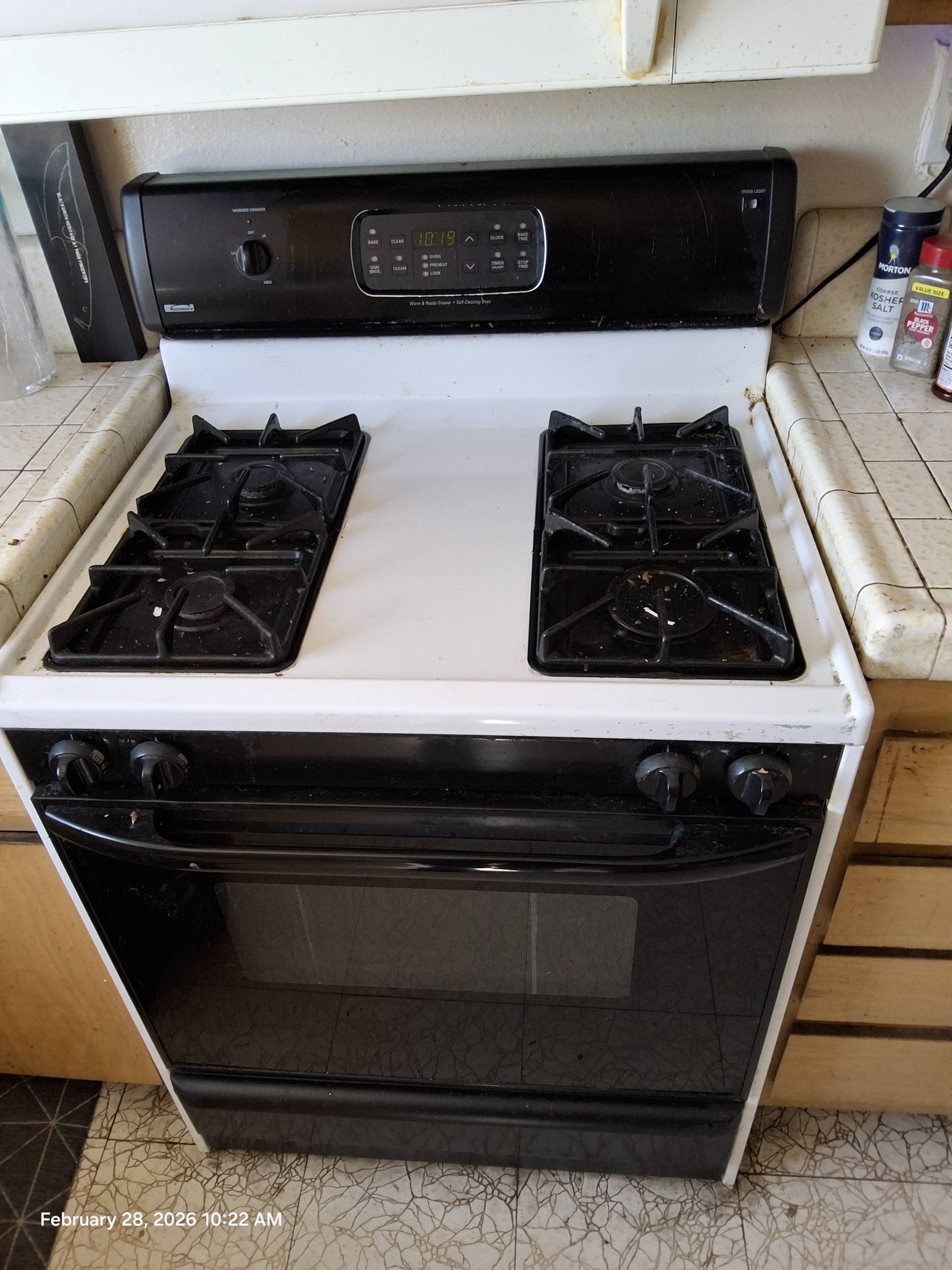
A Bosch gas range is designed to ignite fuel quickly and efficiently. When everything is working correctly, the igniter heats up, the gas valve opens, and the burner lights almost immediately. If any part of this sequence fails, gas may continue flowing without burning properly, creating a noticeable odor throughout the kitchen.
Although some minor issues can affect oven performance, a persistent gas smell should always be treated as a warning sign rather than an inconvenience.
Is It Ever Normal to Smell Gas?
Many homeowners notice a faint gas odor for one or two seconds after turning on the oven. This happens because a small amount of gas is released before the burner ignites. However, the smell should disappear almost immediately. If the odor continues for more than a few seconds, becomes stronger during cooking, or fills the room, there is likely a malfunction that requires professional diagnosis.Weak or Failing Igniter
One of the most common causes of gas odors is a worn-out oven igniter. The igniter has two jobs:- Heat to the proper temperature
- Draw enough electrical current to open the gas valve fully
- Delayed ignition
- Clicking or humming before ignition
- Uneven heating
- Longer preheat times
- Gas odor during startup
Faulty Gas Safety Valve
The gas safety valve regulates fuel entering the oven burner. When functioning correctly, it opens only after receiving the proper signal from the igniter. If the valve begins sticking, leaking internally, or opening inconsistently, gas flow may not match the ignition process. Possible symptoms include:- Strong gas smell
- Oven fails to ignite
- Burner lights late
- Burner shuts off unexpectedly
- Inconsistent baking temperatures
Dirty or Clogged Burner
Food spills, grease, and cooking residue can block burner ports over time. When gas cannot flow evenly across the burner, ignition becomes uneven or delayed. This can cause:- Gas odor before ignition
- Flames only on one side
- Popping sounds
- Yellow flames
- Uneven cooking
Damaged Ignition System
Modern Bosch gas ranges use several ignition components working together. Problems may involve:- Ignition wiring
- Spark module
- Electrical connections
- Control board
Burner Misalignment
If the burner assembly shifts during cleaning or repair, the gas flow may no longer reach the igniter correctly. Even slight misalignment can produce:- Delayed lighting
- Uneven flames
- Gas odor
- Poor oven performance
Gas Pressure Problems
Incorrect gas pressure affects how fuel reaches the burner. Pressure that is too low may delay ignition, while pressure that is too high can produce unstable flames and inefficient combustion. Professional testing verifies:- Gas regulator operation
- Supply pressure
- Internal gas flow
- Burner performance
Why You Shouldn’t Ignore the Smell
Continuing to use an oven that smells like gas can increase safety risks. Unburned gas may accumulate inside the oven cavity or kitchen if ignition repeatedly fails. If you notice a strong gas odor:- Turn the oven off.
- Do not attempt repeated ignition.
- Ventilate the area by opening windows.
- Avoid creating sparks or flames.
- Schedule professional service immediately.
Professional Diagnosis Saves Time
Many gas range problems produce similar symptoms. For example:- Weak igniter
- Faulty gas valve
- Dirty burner
- Loose wiring
- Faulty spark module
Preventive Maintenance Helps Avoid Future Problems
Routine maintenance extends the life of your Bosch gas range. Helpful maintenance includes:- Cleaning burners regularly
- Removing grease buildup
- Checking burner alignment
- Inspecting ignition performance
- Testing gas system operation