
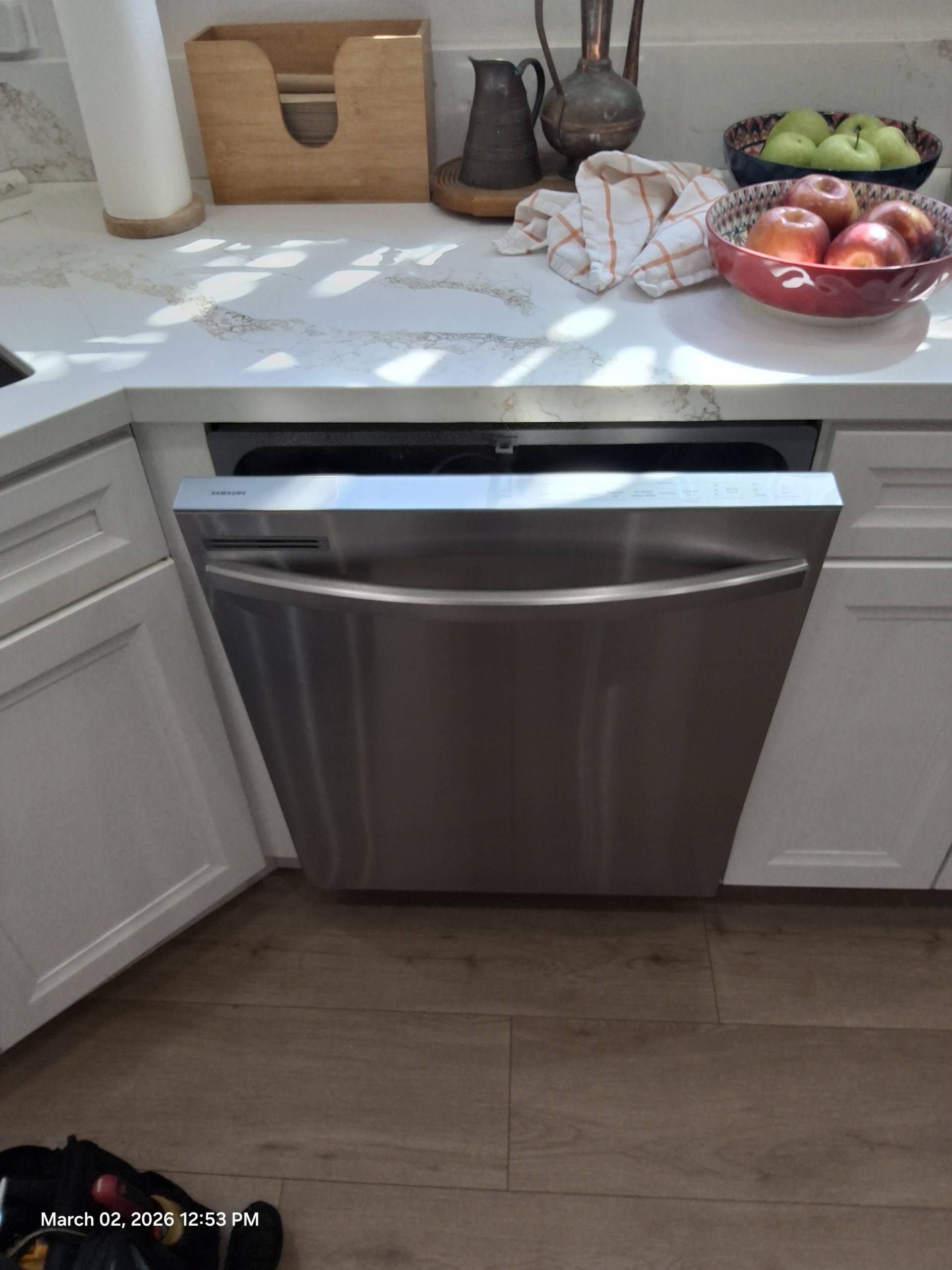
A dishwasher should operate with a consistent humming sound while cleaning dishes. If your LG dishwasher suddenly begins making a loud grinding noise during the wash cycle, it is often a sign that a mechanical component inside the circulation system is struggling to operate correctly. Ignoring unusual noises can lead to reduced cleaning performance, costly repairs, and even complete dishwasher failure.
Understanding the potential causes of grinding sounds can help homeowners recognize when professional service is needed.
Why Grinding Noises Should Never Be Ignored
During a normal wash cycle, the dishwasher’s wash pump circulates water through the spray arms at high pressure. The motor powers this process and keeps water moving throughout the appliance. When either component develops a problem, abnormal sounds such as grinding, rattling, or scraping may occur. While some noises can result from minor obstructions, persistent grinding usually points to a mechanical issue that requires inspection and repair.Possible Cause #1: Damaged Wash Pump
One of the most common causes of a loud grinding noise in an LG dishwasher is a failing wash pump. The wash pump is responsible for moving water through the spray arms during the cleaning cycle. Over time, debris such as broken glass, food particles, fruit pits, or small pieces of plastic can become lodged inside the pump assembly. When foreign objects enter the pump, they can interfere with the impeller’s movement and create a grinding or scraping sound every time the pump operates. Signs of a wash pump problem may include:- Loud grinding during washing
- Reduced water pressure
- Poor cleaning performance
- Dishes remaining dirty after the cycle
- Intermittent operation of spray arms
Possible Cause #2: Worn Motor Bearings
Another common source of grinding noise is worn motor bearings. The dishwasher motor contains bearings that allow moving components to rotate smoothly. After years of regular use, these bearings can wear down due to friction, moisture exposure, and normal aging. As bearings deteriorate, they may produce:- Grinding sounds
- Growling noises
- High-pitched squealing
- Vibrations during operation
Possible Cause #3: Foreign Objects in the Filter Area
Sometimes the source of the noise is not the motor itself but debris trapped near the filter or sump area. Small objects such as:- Glass fragments
- Toothpicks
- Seeds
- Pieces of broken dishes
- Plastic packaging
Possible Cause #4: Damaged Impeller
The impeller is a critical part of the wash pump. It generates water pressure and directs water through the spray system. If the impeller becomes cracked, chipped, or warped, it may strike nearby components while spinning. This contact can create loud grinding or scraping noises during operation. A damaged impeller may also result in:- Weak spray arm performance
- Incomplete cleaning
- Longer cycle times
- Water circulation problems
Possible Cause #5: Failing Pump Motor
A pump motor nearing the end of its lifespan may produce grinding noises before complete failure occurs. Internal motor components can wear out due to age, electrical stress, or prolonged operation under heavy loads. Warning signs often include:- Loud grinding sounds
- Intermittent operation
- Burning odors
- Failure to complete cycles
- Unexpected shutdowns
Can You Continue Using the Dishwasher?
Although the dishwasher may continue operating despite the noise, continued use is generally not recommended. Grinding sounds indicate that internal parts are experiencing abnormal friction or obstruction. Running the appliance in this condition can lead to:- Increased repair costs
- Damage to the wash pump
- Motor failure
- Leaks
- Complete dishwasher breakdown
Preventing Future Dishwasher Noise Problems
Homeowners can reduce wear and tear on dishwasher components by following several maintenance practices:- Scrape large food debris from dishes before loading.
- Clean the dishwasher filter regularly.
- Inspect dishes for broken glass fragments.
- Avoid overloading racks.
- Run maintenance cleaning cycles periodically.
- Address unusual noises immediately.