
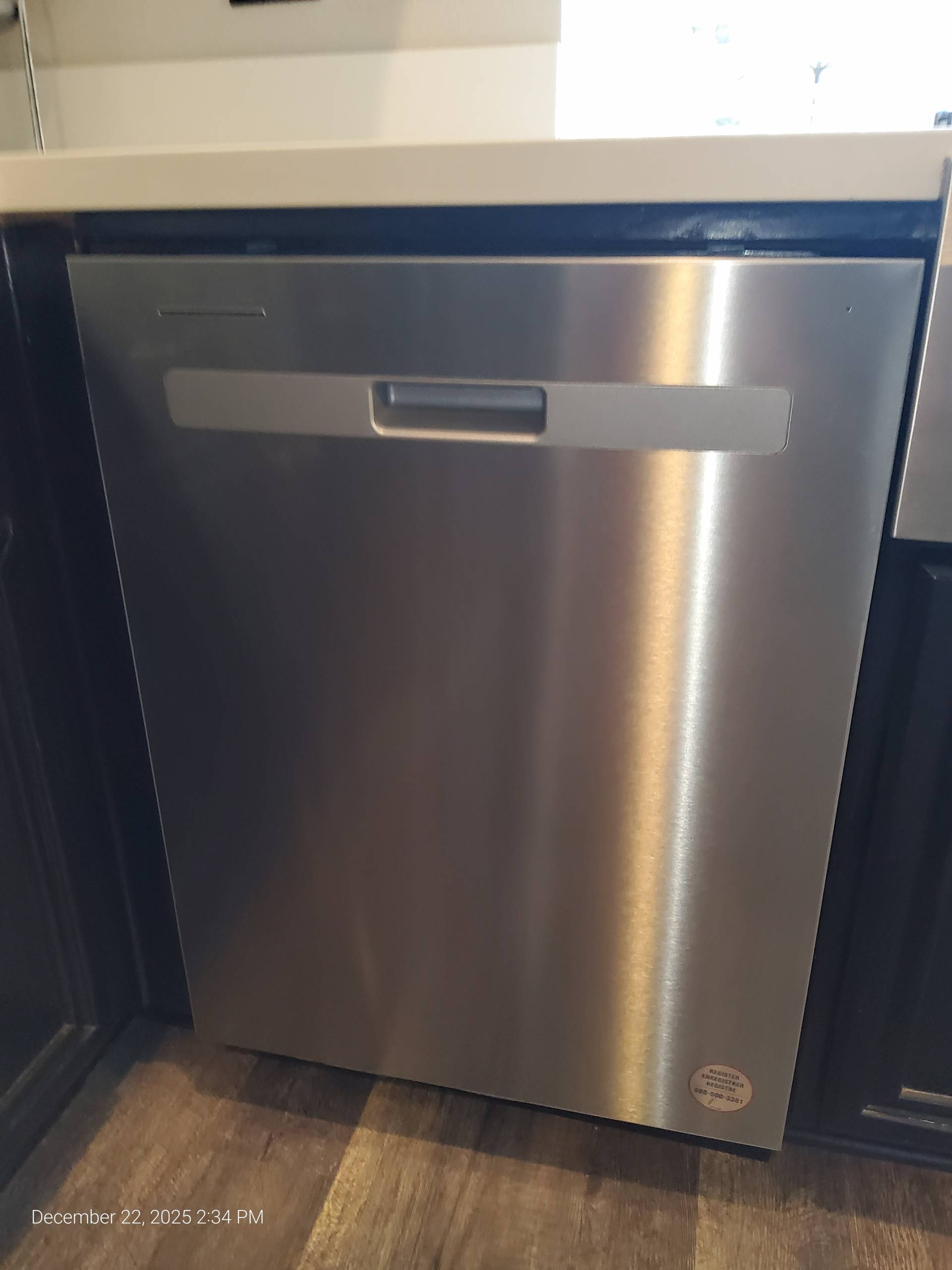
Even when your dishwasher seems to drain properly, you may notice a small pool of water lingering under the filter at the bottom of the appliance. At first glance, this might seem harmless, but understanding why this happens can save you from more serious problems down the line.
The filter in your dishwasher is designed to trap food particles and debris during the wash cycle. Its primary function is to prevent these particles from recirculating and redepositing on your dishes. However, the design of most dishwashers includes a shallow sump area beneath the filter where water naturally settles. While some residual water is normal, consistently standing water can indicate underlying issues that deserve attention.
One common reason for water remaining under the filter is clogged drainage pathways. Even if the main drain appears to function and the majority of the water exits the machine, small debris trapped in the filter or drain can prevent complete emptying of the sump. Over time, this can cause unpleasant odors and increase the risk of bacterial growth. Regularly cleaning your filter and inspecting the drain for buildup is an important maintenance step to prevent such problems.
Another factor can be improper installation or alignment of the filter assembly. If the filter isn’t seated correctly, it can block water from flowing freely toward the drain, leaving behind residual water. This issue is often overlooked because the dishwasher still seems to operate normally during wash and rinse cycles. Ensuring the filter clicks into place securely after cleaning can prevent unnecessary water retention.
Soft clogs or partial blockages in the drain hose or pump area can also cause water to pool under the filter. Unlike a full blockage, which may result in obvious drainage failure, these minor obstructions allow some water to exit but trap a small amount in the sump. Over time, these partial clogs can worsen, leading to longer cycles, reduced cleaning performance, and even mechanical strain on the pump. Detecting and addressing these minor blockages early can prolong the life of your dishwasher.
Temperature and detergent use also play a subtle role. Detergents that leave a sticky residue can prevent water from flowing smoothly, while very low-temperature washes might not break down grease and food particles effectively. Both scenarios can contribute to water remaining in the sump area, especially under the filter where debris collects. Maintaining proper cleaning routines and occasionally running a dishwasher cleaner or hot water cycle can mitigate these issues.
Why does this small amount of water matter? Beyond the hygiene concerns, standing water can affect your dishwasher’s performance. Residual water may soften food particles, causing them to stick to dishes in subsequent cycles. It can also lead to corrosion of metal components and build up lime scale in hard water areas. In some cases, persistent water can even trigger error codes or affect sensors, which could result in interrupted cycles or the machine refusing to start.
Preventing this issue starts with regular maintenance. Here are some recommended steps:
- Clean the filter weekly: Remove trapped debris and rinse the filter under running water. Use a soft brush to remove stubborn particles.
- Inspect the drain and sump area: Check for food buildup or foreign objects that might impede water flow.
- Check filter alignment: Ensure the filter assembly is seated correctly after cleaning to prevent water from being trapped.
- Run periodic cleaning cycles: Use dishwasher-safe cleaners or a hot water rinse to remove grease and residue.
- Monitor detergent and temperature use: Avoid overusing detergent and ensure water temperatures are sufficient to dissolve food and grease effectively.