
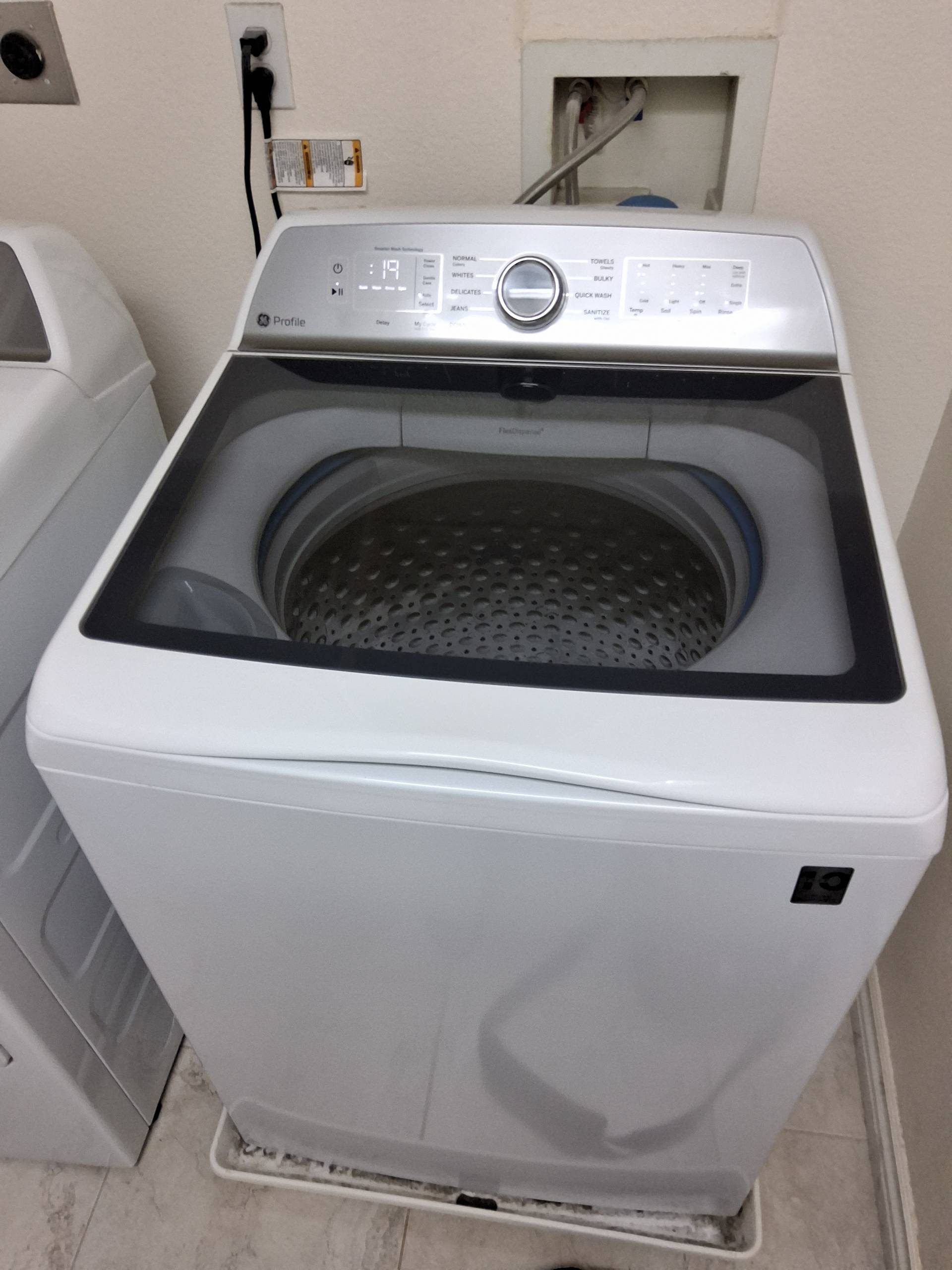
A washing machine that shakes or vibrates during slow drum movement might seem like a minor annoyance, but it can be an early warning sign of internal wear or mechanical problems. Many homeowners dismiss minor vibrations, thinking they are a normal part of operation, especially during slower cycles. However, these tremors often indicate that essential components inside the machine are experiencing stress or degradation, which, if left untreated, can lead to more significant damage and costly repairs.
Why Washing Machines Vibrate During Slow Movement
Modern washing machines are engineered to operate smoothly, even at low spin speeds. When the drum moves slowly and the machine begins to vibrate, it suggests that the drum is not running evenly. Unlike high-speed spin cycles, where some vibration is expected due to the force of rotation, slow-speed cycles should remain relatively stable. Vibrations at low speeds often point to problems with the internal balance or the wear of moving parts.Common Causes of Vibration
- Worn Drum Bearings The drum bearings are crucial for smooth rotation. Over time, bearings can wear down or become corroded, especially in machines that experience frequent, heavy loads or high humidity. Worn bearings cause the drum to wobble even at low speeds, creating vibrations and sometimes a rumbling noise. Ignoring this early warning can eventually lead to total drum failure.
- Damaged Shock Absorbers or Dampers Washing machines use shock absorbers to dampen drum movement. These small but essential components prevent the drum from hitting the machine’s body during motion. When shock absorbers wear out, the drum can swing more freely, leading to vibrations that are especially noticeable during slower movements. Replacing dampers early can prevent further damage to the drum or internal frame.
- Misaligned Drum or Axle Over time, repeated heavy use, improper loading, or even minor impacts can slightly misalign the drum or its axle. This misalignment may not be obvious at high speeds because centrifugal force keeps the drum in position, but at slow speeds, the imbalance becomes clear. Even a slight misalignment can cause persistent vibration that worsens if left uncorrected.
- Worn Drive Components Components such as belts, pulleys, and couplings transfer motion from the motor to the drum. Wear, stretching, or slipping in these parts can result in uneven drum movement. Low-speed cycles are especially sensitive because the drum does not generate enough momentum to compensate for minor irregularities, making vibrations more apparent.
- Uneven or Overloaded Laundry Sometimes the cause is not mechanical wear but operational. Overloading the machine or placing a single heavy item off-center in the drum can produce vibration, even at slow speeds. However, if the problem persists regardless of load size or distribution, internal wear is likely the root cause.
Consequences of Ignoring Vibrations
Vibrations during slow drum movement may seem minor, but neglecting them can lead to serious problems:- Accelerated wear of bearings and shock absorbers
- Stress on the motor and transmission
- Loosening of internal fasteners
- Excessive noise during operation
- Potential damage to surrounding flooring or walls
When to Call a Professional
If your washing machine shows consistent vibration during slow cycles, it’s a signal to schedule maintenance. A professional technician can diagnose the exact cause, inspect bearings, shock absorbers, drive components, and drum alignment, and replace worn parts. Attempting DIY repairs can sometimes worsen the problem or void warranties, making professional service the safest option.Preventive Measures
While some wear is inevitable, you can extend the lifespan of your washing machine by:- Loading the machine evenly and avoiding overloading
- Using recommended detergents to prevent residue buildup
- Running regular maintenance cycles
- Inspecting hoses, belts, and the drum periodically for signs of wear