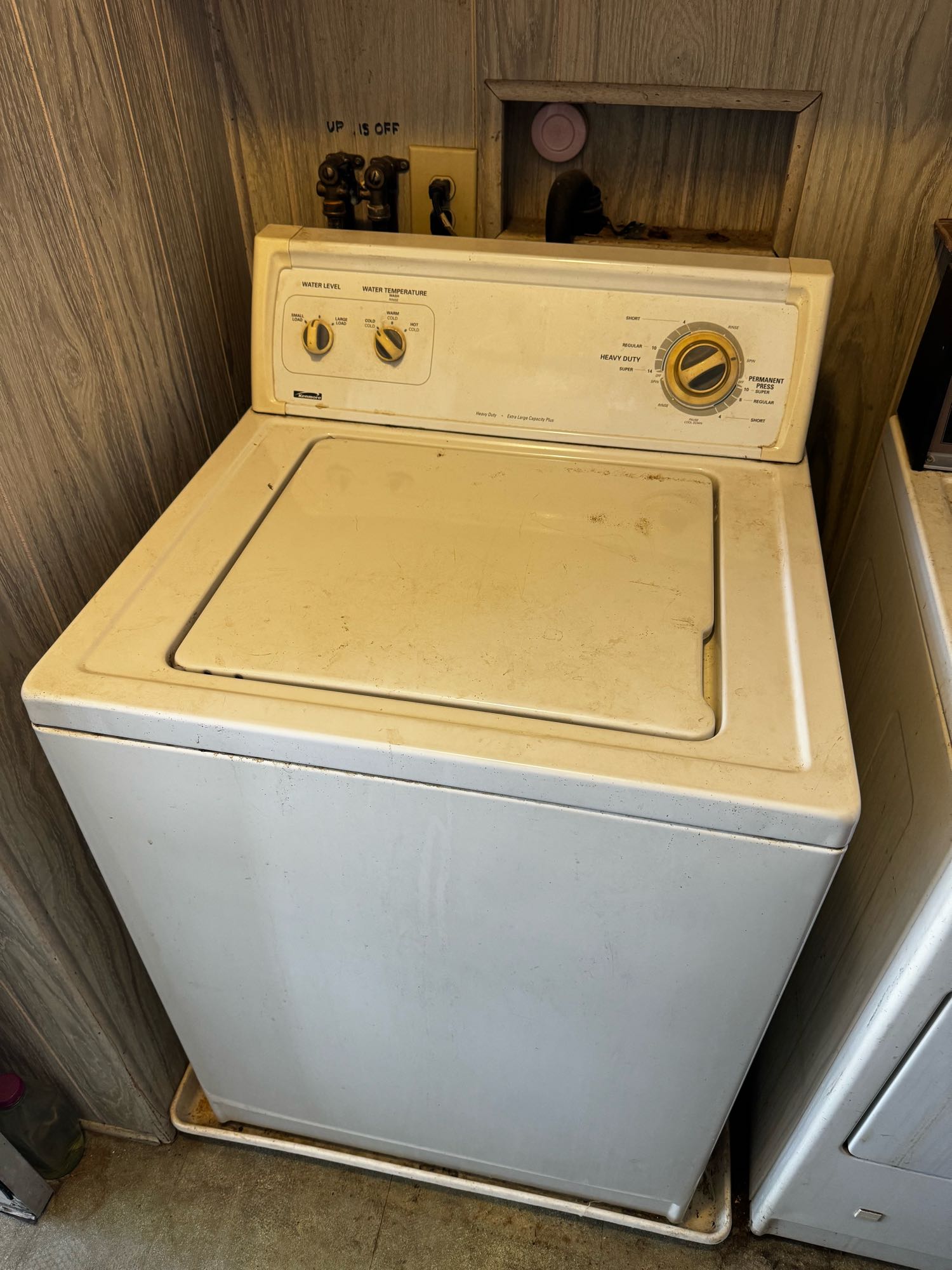
A burning or hot electrical odor coming from a washing machine during the final stage of a cycle is a warning sign that should not be ignored. This phase typically involves high-speed spinning, rapid motor load changes, and increased electrical demand. When something in that system begins to fail, the smell often appears right before the cycle ends or during the spin cycle.
This issue can range from minor wear to a developing electrical fault. In many cases, it points to overheating components inside the motor assembly or compromised wiring insulation.
What the smell usually indicates
A hot electrical odor is often linked to heat buildup in components that are designed to operate under load but not overheat. When insulation begins to degrade, it releases a sharp, plastic-like smell. If the motor windings are stressed or partially damaged, they can produce a similar odor. Another common source is friction combined with heat. A slipping belt or worn pulley system can generate enough resistance to produce a burnt smell, especially during high-speed spin cycles.Likely causes behind the problem
Several technical issues may lead to this symptom: Motor overheating The motor works hardest during the spin cycle. If ventilation is blocked, bearings are worn, or internal windings are failing, the temperature rises quickly and produces a burning odor. Wiring insulation damage Aging or loose wiring inside the machine can overheat under load. This is particularly dangerous because it can escalate into short circuits. Faulty capacitor or control board Electrical components responsible for regulating motor speed can overheat when failing, especially toward the end of a cycle when switching operations occur. Mechanical resistance A jammed drum, worn bearings, or belt friction increases motor strain. The system compensates by drawing more current, which leads to overheating. Overloaded drum conditions Repeated overloading forces the motor to work beyond its intended capacity, gradually causing thermal stress and insulation breakdown.Why the timing matters
When the smell appears near the end of the cycle, it often points to stress during the spin phase. At this stage, the motor rapidly accelerates and decelerates. Electrical load peaks, and any weakness in wiring or components becomes more noticeable. This timing helps technicians narrow down the fault more accurately.Risks of continued use
Continuing to run the machine under these conditions increases the risk of permanent motor failure. Electrical overheating can damage adjacent components, including the control board. In severe cases, degraded wiring insulation may lead to short circuits. Even if the machine still completes cycles, the underlying issue typically worsens over time. Early intervention reduces repair complexity and cost.What can be checked at home
Before calling a technician, a few basic steps can help rule out simple issues:- Stop using the machine immediately after noticing the smell
- Unplug it and allow it to cool fully
- Check for visible blockages around the drum
- Ensure the load size is within recommended limits
- Listen for unusual grinding or humming during operation
Why professional repair is necessary
Internal electrical faults are not safely accessible without proper tools and training. Diagnosing motor windings, control boards, and wiring harnesses requires electrical testing equipment. Attempting repairs without experience increases the risk of further damage. A trained technician can identify whether the issue is electrical, mechanical, or a combination of both, and determine whether repair or component replacement is the correct solution.Preventing future issues
Regular maintenance helps reduce the likelihood of overheating problems:- Avoid overloading the drum
- Keep the machine level to reduce motor strain
- Clean filters and drainage systems regularly
- Schedule periodic inspections for older appliances
- Address unusual sounds or odors early