
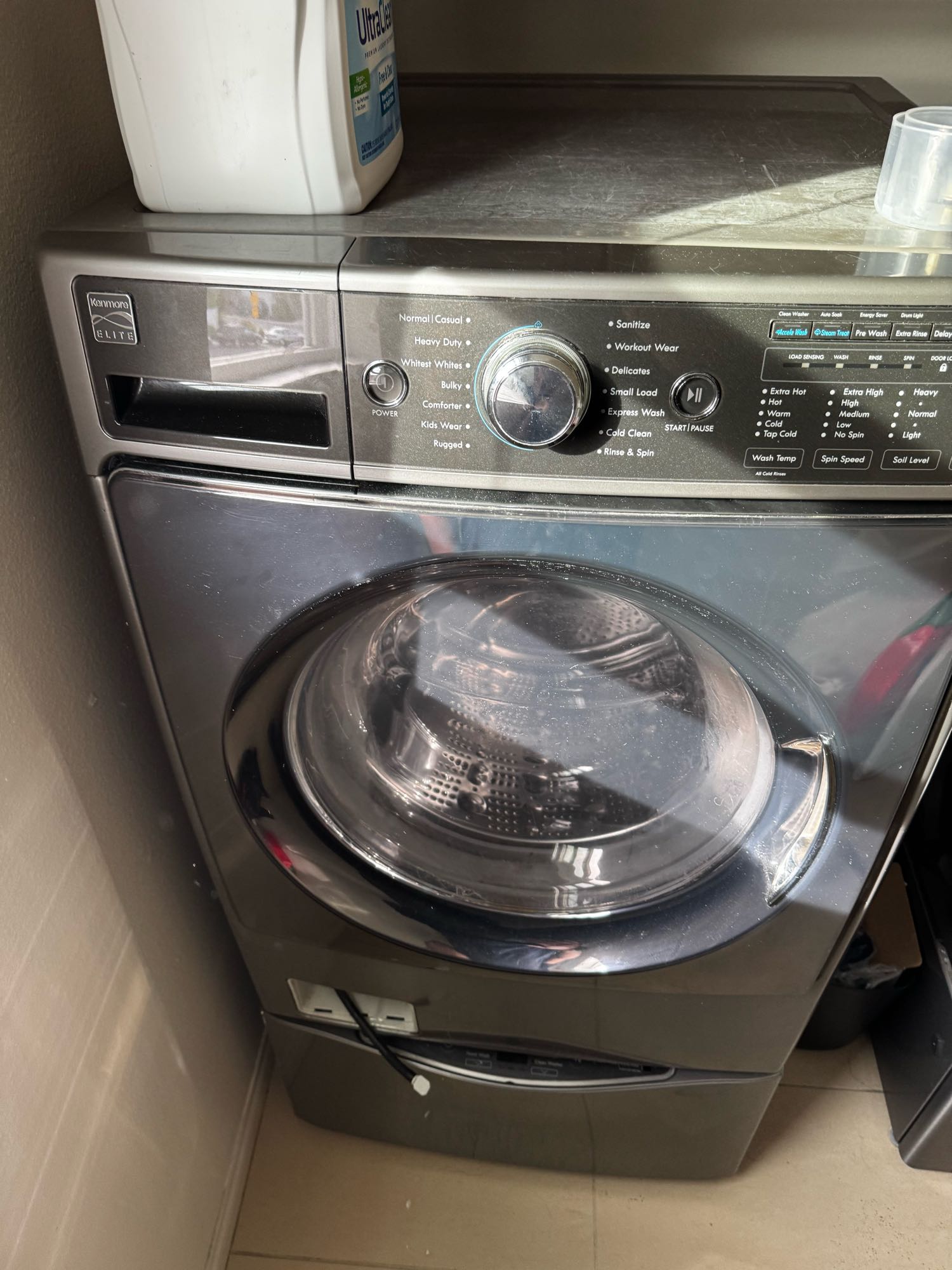
A washing machine should transition into the spin cycle with a steady increase in speed and vibration. When a loud pop or sharp banging sound happens right before spinning starts, the problem usually points to a mechanical issue inside the drum support system. Many homeowners assume something small shifted inside the load, but repeated popping sounds often signal worn suspension parts, loose drum mounts, or structural stress inside the washer.
Ignoring the noise can lead to more serious damage. What starts as a single pop before spinning may eventually become violent shaking, drum imbalance, water leaks, or even complete washer failure.
Why the Pop Sound Happens Before the Spin Cycle
Before a washer reaches high-speed spinning, the machine redistributes the load and stabilizes the drum. During this stage, several components absorb movement and keep the tub centered. If one of these parts weakens or breaks, pressure builds unevenly until the machine suddenly shifts position, creating a loud popping sound. This noise can happen once during each cycle or repeatedly as the washer attempts to gain speed. Front-load and top-load washers use different suspension systems, but both rely on support components that wear out over time due to constant vibration, heavy loads, and repeated stress.Common Suspension Problems
One of the most common causes is a failing suspension system. In front-load washers, suspension shocks help control tub movement during acceleration. When these shocks wear out, the drum can drop or shift abruptly as spinning begins. That sudden movement may produce a popping or cracking sound. Top-load washers often use suspension rods or springs. If one rod weakens or disconnects, the tub tilts unevenly and snaps back into position during spin preparation. Suspension problems are usually accompanied by additional symptoms, including:- Excessive vibration
- Washer shaking across the floor
- Drum movement when pushed by hand
- Loud banging during heavy loads
- Unstable spin cycles
- Washer stopping and restarting repeatedly
Drum Mounting Issues
The drum assembly is secured using brackets, mounts, bearings, and support structures designed to keep everything aligned. Over time, these components can loosen, crack, or warp. A damaged drum mount may create a distinct pop when torque increases before high-speed spinning begins. In some cases, the inner drum shifts suddenly under pressure, producing a metallic snapping or clunking sound. This issue should not be ignored. Continued operation can damage:- Drum bearings
- Outer tub housing
- Drive shaft components
- Motor connections
- Internal wiring
- Suspension anchors
Broken Counterweights Can Also Cause Loud Pops
Many washing machines contain concrete or composite counterweights designed to stabilize the tub during spinning. These weights reduce vibration and absorb motion. When a counterweight loosens or cracks, the drum may shift violently before spin speed increases. This movement can create a sudden pop, especially during uneven loads. A damaged counterweight often causes:- Heavy knocking sounds
- Increased vibration
- Cabinet shaking
- Visible movement during spin
- Loud impact noises at startup
Shipping Bolts Left Installed
In newly installed front-load washers, shipping bolts are another possible cause. These bolts secure the drum during transportation and must be removed before normal operation. If they remain installed, the suspension system cannot move freely. The machine may produce loud popping, banging, or cracking noises as the tub attempts to shift during spin cycles. Operating a washer with shipping bolts installed can permanently damage the suspension and drum supports.Overloading Speeds Up Wear
Repeatedly overloading a washing machine places enormous stress on suspension components and drum mounts. Heavy loads force the tub to swing harder during spin acceleration, weakening springs, rods, and mounting brackets over time. Even if the machine still operates, loud popping noises indicate the system is no longer absorbing force correctly. Common overloading habits include:- Washing large comforters too often
- Combining towels with heavy clothing
- Running oversized mixed loads
- Forcing the lid or door closed
- Ignoring repeated imbalance warnings
Why Early Repairs Matter
Many homeowners continue using the washer because the machine still completes cycles. Unfortunately, suspension and mounting issues rarely stay minor for long. Once the drum becomes unstable, additional components begin absorbing stress they were never designed to handle. This can lead to:- Bearing failure
- Torn tub seals
- Water leaks
- Motor strain
- Broken shock absorbers
- Cracked outer tubs
Warning Signs That Require Immediate Service
Schedule professional service immediately if you notice:- Loud pops before every spin cycle
- Violent shaking during washing
- Drum sagging inside the tub
- Metal scraping sounds
- Washer moving across the floor
- Burning smells during spinning
- Water leaking underneath
- Spin cycle failures
Professional Diagnosis Is Important
Suspension and drum mounting systems involve multiple interconnected parts. Replacing the wrong component may not solve the issue and can waste time and money. A professional technician can determine whether the problem comes from:- Suspension rods
- Shock absorbers
- Drum bearings
- Counterweights
- Mounting brackets
- Tub supports
- Drive components