
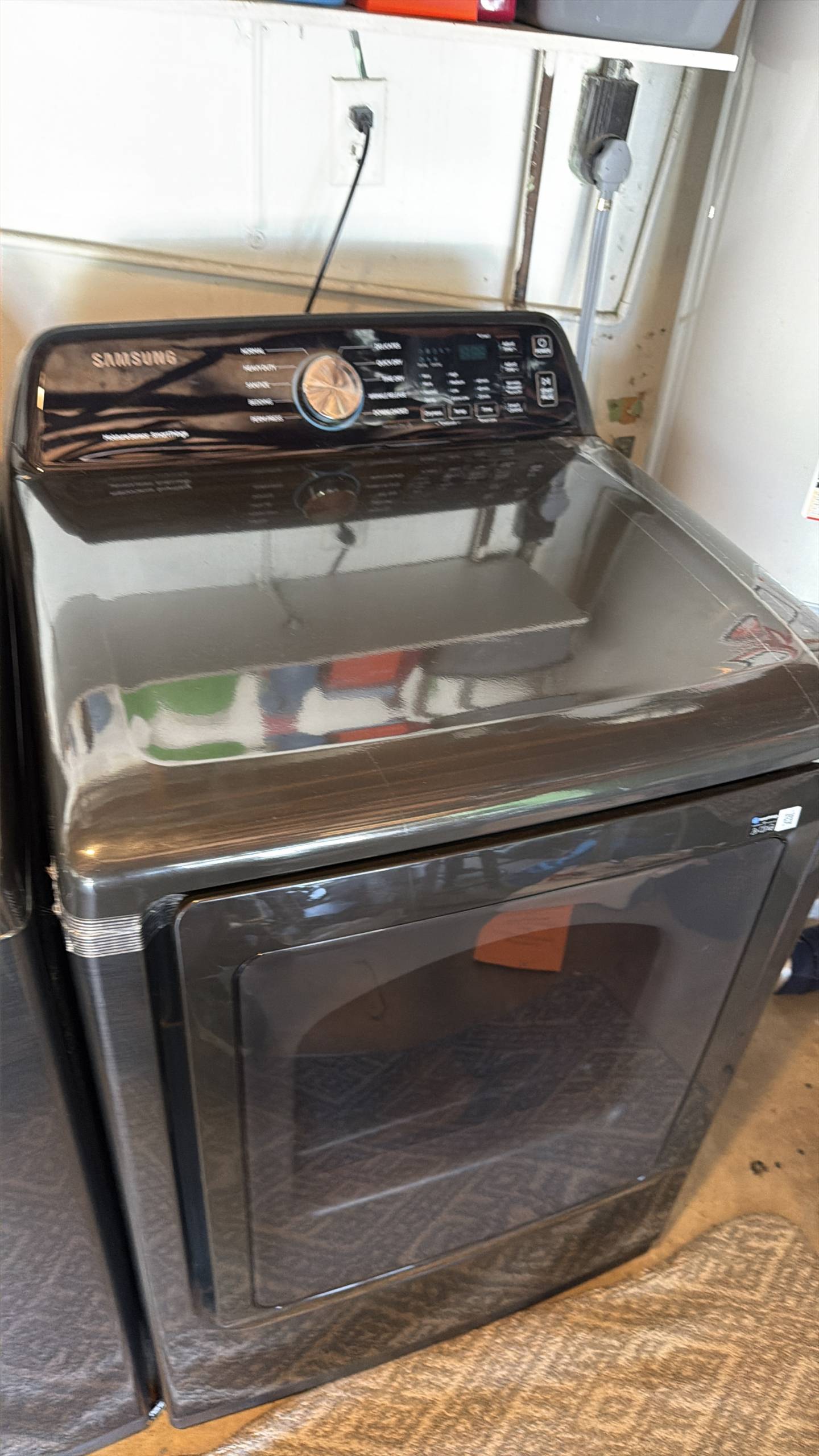
Few laundry issues are as frustrating as pulling freshly washed dark clothing from the washing machine only to discover white detergent streaks, powder residue, or cloudy marks across the fabric. These visible detergent traces can make clean clothes look dirty and often indicate an underlying problem with the washing machine’s rinsing performance or water distribution system.
While occasional detergent residue may result from using too much detergent, persistent marks appearing after multiple wash cycles often point to mechanical or operational issues that deserve attention.
One of the most common causes is an ineffective rinse cycle. The rinse cycle is designed to remove detergent, dirt, and other residues from clothing after the wash phase is complete. If the machine is not supplying enough water during rinsing, detergent can remain trapped in fabric fibers and become visible once the garments dry.
Water inlet problems frequently contribute to poor rinsing. Modern washing machines rely on inlet valves to control the flow of water into the tub. If a valve becomes partially clogged with mineral deposits, sediment, or debris, the machine may receive less water than required. As a result, the rinse cycle cannot fully flush detergent from clothing.
Another possible issue involves water distribution throughout the drum. During washing and rinsing, water must circulate evenly around the load. If spray systems, circulation pumps, or distribution channels become restricted, certain areas of the load may not receive adequate rinsing. Dark garments are particularly likely to reveal these problems because detergent residue is easier to see on darker fabrics.
Overloading the washing machine can also create detergent marks. When the drum is packed too tightly, clothing cannot move freely. Water and detergent become concentrated in certain areas while other parts of the load receive insufficient rinsing. Even a perfectly functioning washing machine may leave residue behind when overloaded.
Using the wrong type of detergent is another common factor. High-efficiency (HE) washing machines require specially formulated HE detergent. Standard detergent can produce excessive suds, making it difficult for the machine to rinse thoroughly. Excess foam may trap detergent particles against fabrics, resulting in visible residue after the cycle finishes.
Excessive detergent use can create similar symptoms. Many people assume that more detergent leads to cleaner clothes, but modern detergents are highly concentrated. Using more than the recommended amount often leaves excess detergent in the wash load that cannot be completely removed during rinsing.
Cold water settings may contribute as well. Some detergents dissolve less effectively in cold water, especially powdered formulas. Undissolved detergent particles can cling to fabrics and appear as white streaks or spots after washing. In areas with hard water, the problem may become even more noticeable because minerals can react with detergent and leave deposits on clothing.
Blocked detergent dispensers are another possible source of residue. If detergent does not properly flush from the dispenser during the wash cycle, clumps of concentrated detergent may enter the drum later in the process. These concentrated deposits can stick to clothing and leave visible marks.
Drainage issues should not be overlooked. If the washing machine fails to drain completely between cycles, dirty water mixed with detergent residue may remain inside the tub. During rinsing, this contaminated water can circulate back through the load and leave streaks on garments.
In some cases, sensor or control board malfunctions may affect rinse performance. Modern washers use sensors to determine water levels, load size, and cycle duration. If these systems provide inaccurate readings, the machine may shorten rinse cycles or use insufficient water. Although these issues are less common than detergent-related causes, they can significantly affect washing results.
Regular maintenance can help prevent many of these problems. Cleaning detergent dispensers, checking inlet screens, running periodic cleaning cycles, and avoiding overloading all contribute to better washing performance. Choosing the correct detergent and following manufacturer recommendations for dosage can also reduce the likelihood of residue buildup.
If detergent marks continue appearing despite proper detergent use and loading practices, professional diagnosis may be necessary. Technicians can inspect water inlet valves, circulation systems, pumps, sensors, and control components to identify the underlying cause. Addressing the problem early can help prevent further performance issues and ensure clothes come out consistently clean.
Detergent residue on dark clothing is often a warning sign that the washing machine is not rinsing effectively. Whether the issue stems from water supply restrictions, drainage problems, improper distribution, or electronic malfunctions, identifying the cause is essential for restoring proper washing performance.
If your washing machine continues leaving detergent marks on clothing, contact San Diego Appliance Repair Service. Our experienced technicians can diagnose rinse cycle, water distribution, drainage, and control system problems quickly and accurately. Schedule professional service today and restore your washer’s ability to deliver clean, residue-free laundry every time.
Contact us
(619) 719-5005
[email protected]