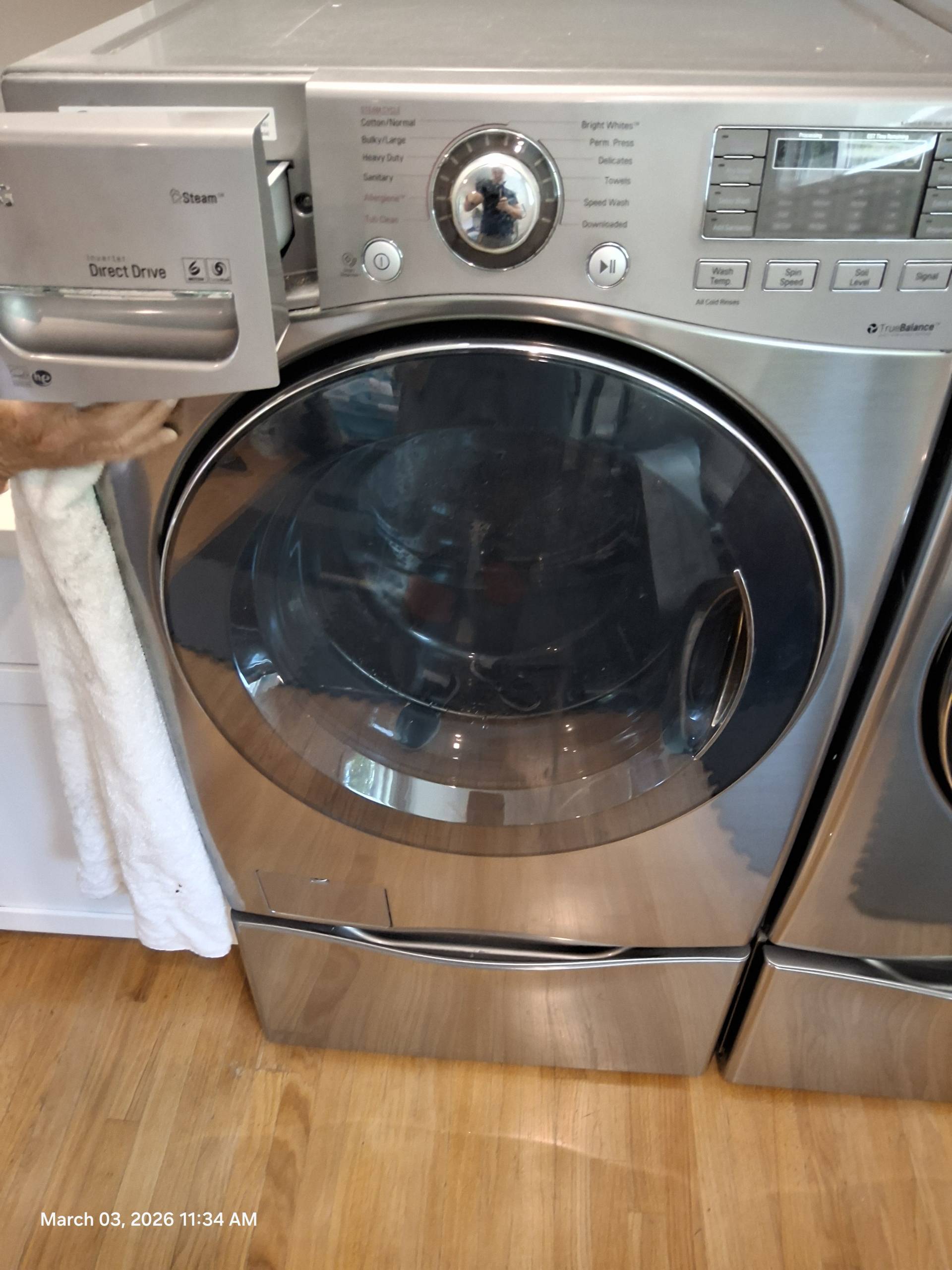
A washing machine that leaks water only during the rinse cycle can confuse many homeowners. The machine may complete the wash cycle normally, show no visible problems during filling or spinning, and then suddenly leave a small puddle on the floor during rinsing. Because the leak appears only at a specific stage, the issue is often connected to components that work harder or differently during rinsing, such as hoses, drain connections, or the pump system.
Ignoring even a small leak can eventually lead to flooring damage, mold growth, cabinet swelling, or electrical risks around the appliance. Identifying the cause early can help prevent a much larger repair later.
Why Leaks Often Happen During the Rinse Cycle
The rinse cycle uses fresh water to remove detergent residue from clothing. During this stage, the washer may fill and drain several times, depending on the selected program. Water pressure, pump activity, and hose movement increase during this process. If a connection is weak or partially damaged, the leak may only appear during rinsing. Unlike leaks caused by an overfilled tub or damaged door seal, rinse-cycle leaks usually point to water movement through the drain or circulation system.Common Causes of Rinse-Cycle Leaks
Loose or Cracked Drain Hose
One of the most common causes is a damaged or improperly connected drain hose. During the rinse cycle, the washing machine pumps water out at high speed. A small crack or loose clamp may allow water to escape only when pressure increases. Signs of a drain hose problem include:- Water appearing behind the machine
- Damp walls near the washer
- Small puddles after rinse or spin cycles
- Visible wear, bulging, or cracks in the hose
Faulty Pump Connections
The drain pump pushes wastewater out of the washer. If the pump housing, fittings, or hose connections become loose, water may leak while the pump is actively operating. In some cases, the pump itself may develop small cracks. Plastic pump housings can weaken after years of repeated pressure changes and vibration. A failing pump connection may produce:- Intermittent leaking
- Dripping underneath the washer
- Unusual humming or grinding noises
- Water appearing mainly during draining or rinsing
Internal Hose Damage
Modern washing machines contain several internal hoses that direct water between components. Some connect the tub, detergent dispenser, and pump assembly. During the rinse cycle, these hoses may carry higher water volumes or experience rapid pressure changes. Internal hoses can fail because of:- Age-related wear
- Excessive vibration
- Poor installation
- Detergent buildup
- Small tears near connection points
Clogged or Partially Blocked Drain System
A partial blockage in the drain hose or household plumbing can force water backward during drainage. This pressure buildup may cause minor leaks around clamps or weak hose connections. Common sources of blockage include:- Lint accumulation
- Small clothing fibers
- Coins or debris
- Soap residue
- Mineral buildup from hard water
Worn Hose Clamps
Hose clamps secure water lines and drain connections. Over time, clamps can loosen from constant machine vibration. Metal clamps may also corrode in humid laundry environments. A weak clamp may hold during low-pressure cycles but leak during rinsing when water movement becomes more aggressive. Technicians often inspect and tighten all hose connections during maintenance visits to prevent future leaks.Excessive Detergent Use
Using too much detergent can create excessive suds inside the washer. During the rinse cycle, the machine attempts to remove the foam by increasing water circulation and draining activity. Extra pressure and overflow can sometimes force water through weak seals or connections. High-efficiency washers are especially sensitive to incorrect detergent amounts. Using standard detergent in HE machines may worsen the problem.Why Small Leaks Should Not Be Ignored
Many homeowners delay repairs because the leak seems minor. However, repeated moisture exposure can damage:- Hardwood or laminate flooring
- Drywall behind the appliance
- Baseboards and cabinets
- Electrical outlets nearby
- Subfloor structures
When Professional Diagnosis Is Necessary
Some external hose issues are easy to spot, but many rinse-cycle leaks require internal inspection. Modern washers contain electronic sensors, multiple water pathways, and tightly packed components that can be difficult to access without experience. Professional technicians can:- Test pump performance
- Inspect hidden hose connections
- Check internal seals
- Identify pressure-related leaks
- Detect early pump failure
- Verify proper drainage operation
Preventive Maintenance Tips
Regular maintenance reduces the risk of future leaks and extends washer life. Helpful preventive steps include:- Inspect hoses every few months
- Avoid overloading the washer
- Use the correct detergent type
- Clean drain filters regularly
- Ensure the washer remains level
- Replace aging rubber hoses before failure occurs