
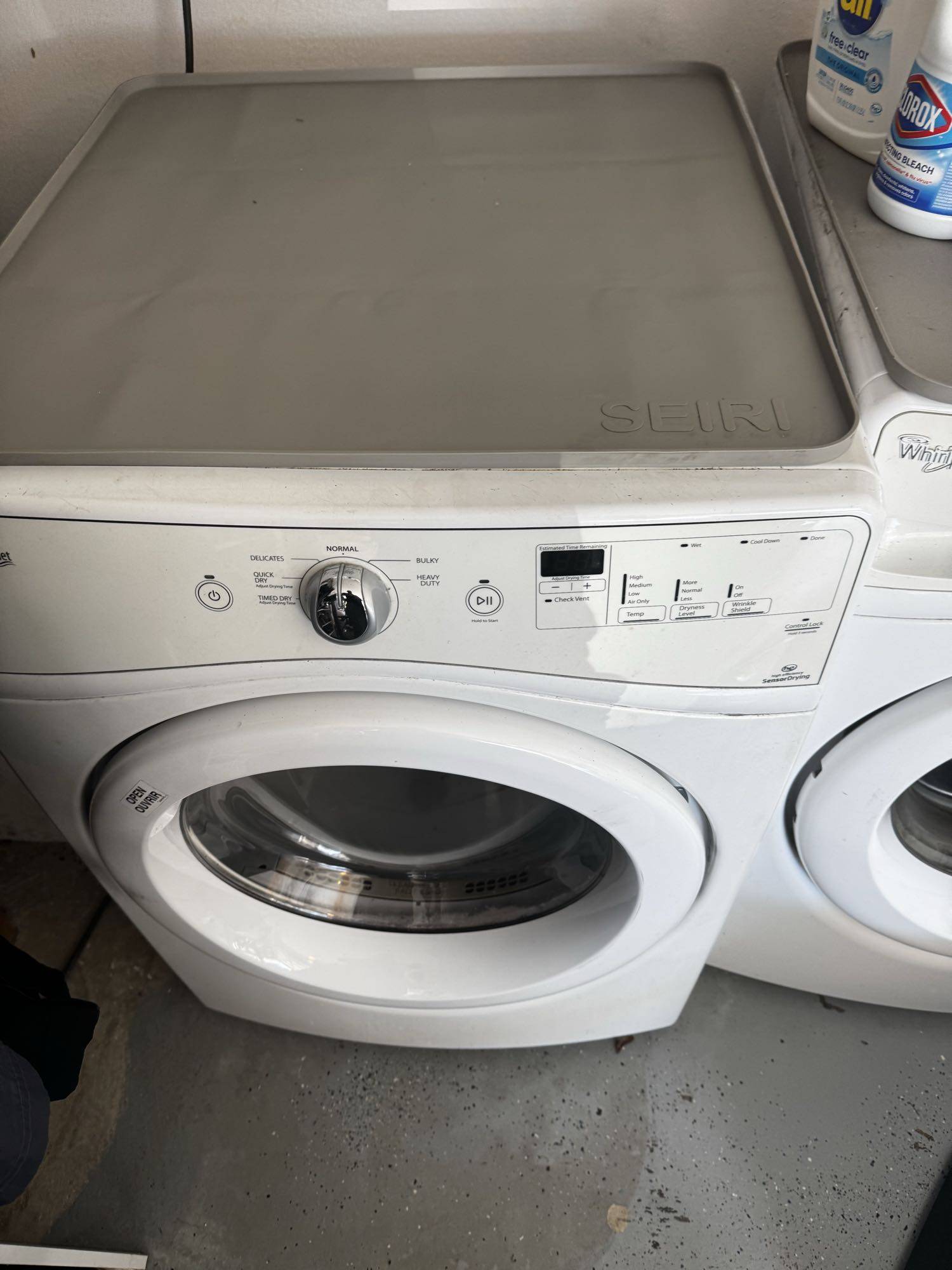
When a washing machine starts ending cycles earlier than expected, the issue often goes beyond timing settings. Modern appliances rely on a set of sensors that estimate load size, water level, and wash progress. If any of these readings become inaccurate, the machine may shorten cycles, skip stages, or fail to complete a proper wash.
This behavior usually develops gradually. At first, it may look like a minor inconsistency. Over time, it affects cleaning quality and may point to deeper technical problems in the sensing or control system.
How load and water sensing actually works
Most modern washing machines adjust cycle duration based on real-time data. A load sensor estimates the weight of the laundry inside the drum. A water level sensor or pressure switch monitors how much water is present. Some models also use flow meters or turbidity sensors to evaluate how dirty the water becomes during washing. These signals are sent to the control board, which decides how long each phase should last: filling, washing, rinsing, and spinning. If the system misreads even one of these inputs, the machine can incorrectly assume the cycle is complete.Common reasons for shortened cycles
1. Faulty load sensing system
A worn or malfunctioning load sensor may underestimate the amount of laundry. When this happens, the machine reduces water intake and shortens agitation time. This leads to incomplete cleaning and an overall shorter cycle. Mechanical wear, loose connections, or calibration drift are typical causes. In some cases, repeated overloads damage the sensor permanently.2. Water level sensor or pressure switch issues
If the pressure switch sends incorrect signals, the machine may believe it has filled with enough water when it has not. As a result, it skips parts of the wash cycle or transitions too early to rinsing or spinning. Blockages in the air hose connected to the pressure system can also distort readings. Detergent buildup is a frequent contributor.3. Flow meter inaccuracies
Machines equipped with flow meters rely on precise water measurement. Mineral buildup or debris can interfere with the sensor’s accuracy. When the system miscalculates water intake, cycle logic becomes unstable. This often appears as inconsistent washing behavior, where some cycles are normal while others finish too quickly.4. Control board miscommunication
The control board processes all sensor inputs. If it develops faults or software errors, it may incorrectly interpret normal signals as completion commands. Power surges, moisture exposure, or aging components can disrupt internal processing. In such cases, multiple functions may behave unpredictably, not just cycle duration.5. Drainage system pulling water out too early
A partially clogged or malfunctioning drain pump can create pressure imbalances. In some cases, the machine drains water faster than intended, tricking sensors into registering a completed wash phase. This issue often comes with audible changes during draining or unusually dry clothes after short cycles.6. Detergent and residue buildup affecting sensors
Excess detergent or low-quality products can leave residue inside the drum and sensing pathways. Over time, this buildup interferes with water detection accuracy and can distort cycle timing.Why this problem should not be ignored
A washing machine that consistently shortens cycles rarely resolves the issue on its own. Even if the appliance still runs, inaccurate sensing affects cleaning performance, increases fabric wear, and may lead to further mechanical stress on the system. Early diagnosis helps prevent damage to core components such as the pump, control board, and sensor assemblies.What can be checked at home
Basic inspection steps can sometimes identify simple issues:- Clean detergent drawer and filter
- Check for visible hose blockages
- Avoid overloading or underloading the drum
- Use standard detergent amounts
- Run a calibration or diagnostic cycle if the model supports it