
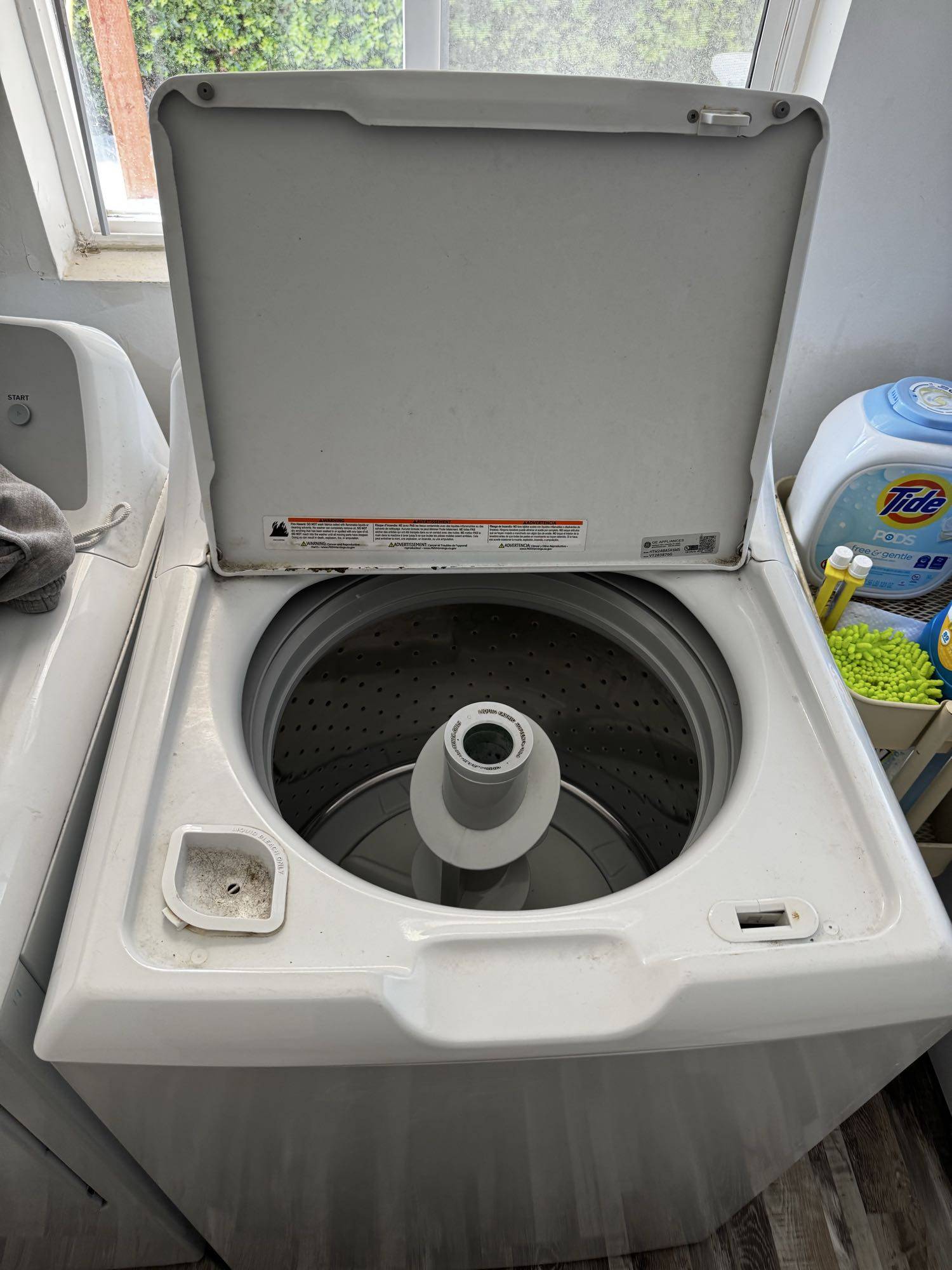
When a washing machine drum turns easily by hand but refuses to move during a wash or spin cycle, the issue usually sits in the drive system rather than the drum itself. The drum is not seized, and the bearings are typically not the problem in this case. Instead, attention shifts to the components responsible for transferring power from the motor to the drum.
Understanding where the failure occurs helps avoid unnecessary part replacements and reduces repair time.
How the drive system works
Most washing machines rely on a simple chain of components:- Electric motor generates rotation
- Belt or direct drive system transfers that force
- Pulley system moves the drum
- Control board regulates timing and speed
The most common cause: a worn or broken belt
In belt-driven machines, a damaged belt is the first thing to suspect. Over time, the belt can:- Stretch and lose tension
- Crack or fray
- Slip off the pulley
Motor problems and worn components
If the belt is intact, the next likely issue is the motor itself. Common motor-related failures include:- Worn carbon brushes (in older machines)
- Burnt motor windings
- Faulty rotor or stator connections
- Overheating shutdown during cycle
Capacitor failure in single-phase motors
Some washing machines rely on a start capacitor to give the motor the initial boost it needs to begin spinning. When the capacitor weakens:- The motor hums but does not start
- The drum remains stationary
- The machine may pause mid-cycle
Drive pulley and coupling issues
Even if the motor is working, the connection between the motor and drum can fail. Typical issues include:- Loose or damaged pulley wheel
- Broken motor coupling (common in direct-drive systems)
- Worn spline or connector teeth
Lid switch or door lock malfunction
Modern washing machines include safety systems that prevent spinning when the door is not properly locked. If the switch or lock mechanism fails:- The machine may fill and drain normally
- The drum will not enter spin mode
- No mechanical resistance is felt when turning the drum by hand
Control board or sensor errors
The electronic control board coordinates the entire cycle. If it sends incorrect signals or fails to activate the motor relay, the drum will not move even if all mechanical parts are in good condition. Symptoms include:- Random cycle interruptions
- No response during spin stage
- Error codes on display models
Why the drum still turns freely by hand
A freely rotating drum usually indicates that:- Bearings are still in good condition
- No internal mechanical blockage exists
- The issue lies in power transmission or control
When professional repair is necessary
While belt replacement can sometimes be straightforward, motor diagnostics and electronic testing require proper tools. Incorrect handling may lead to further damage or safety risks. A technician can:- Test motor output under load
- Inspect capacitor and wiring
- Check control board signals
- Verify belt tension and pulley alignment