
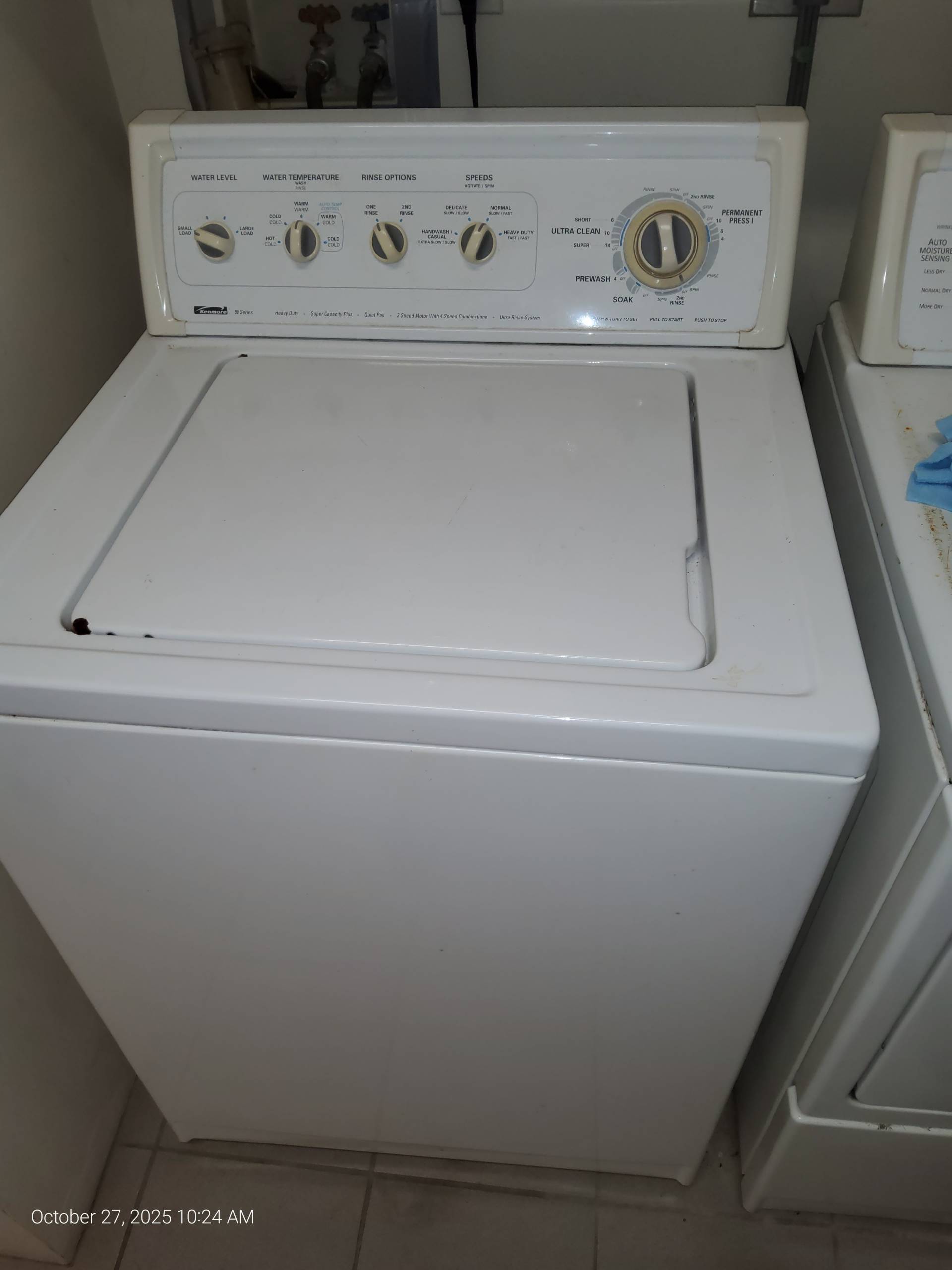
A washing machine that fills with water but fails to rotate the drum during the wash cycle is a frustrating issue. Clothes remain soaked and dirty, and the machine may stop mid-cycle or continue without proper agitation. This problem is often linked to mechanical failures such as a worn drive belt or a malfunctioning motor, but there can be several contributing factors. Understanding the most common causes can help you identify whether it’s a quick fix or time to call a professional.
How the Drum Rotation System Works
To understand why the drum isn’t turning, it helps to know how the system operates. In most washing machines, the motor powers the drum either directly or through a drive belt. When the wash cycle begins, the motor engages and rotates the drum back and forth to agitate clothes. If any part of this system fails—motor, belt, or control board—the drum may stop moving entirely or behave inconsistently.Worn or Broken Drive Belt
One of the most common causes of a non-spinning drum is a worn or broken drive belt. This belt connects the motor to the drum pulley and transfers power needed for rotation. Over time, belts can stretch, crack, or snap due to regular wear and tear. When this happens, the motor may still run, but the drum won’t move. Signs of a faulty belt include:- The machine fills with water but makes a humming sound without drum movement
- A loose or burning rubber smell
- Visible belt damage if inspected from the back panel
Faulty Drive Motor
If the belt is intact, the issue may lie with the motor itself. The motor is responsible for turning the drum, and if it fails, the entire washing process is disrupted. Motors can fail due to:- Worn carbon brushes (common in older machines)
- Electrical faults or overheating
- Internal component wear
Lid Switch or Door Lock Issues
Modern washing machines are designed with safety features that prevent the drum from spinning if the lid or door is not securely closed. If the lid switch or door lock mechanism is defective, the machine may fill with water but refuse to rotate. This issue is more common in top-loading machines but can also affect front-load washers with faulty locking systems.Control Board or Timer Malfunction
The control board acts as the brain of the washing machine, sending signals to different components during each cycle. If it fails to send the correct signal to the motor, the drum won’t turn. Symptoms of a control board issue include:- The machine stops at a specific point in the cycle
- Unresponsive buttons or erratic behavior
- No motor activity despite power being supplied
Seized Drum or Bearing Problems
Sometimes the issue isn’t electrical but mechanical. If the drum bearings are worn out or seized, the drum may struggle to rotate or stop completely. You might notice:- Loud grinding or rumbling noises
- Resistance when turning the drum manually
- Water leaks from the rear of the machine
Overloading the Machine
While not a mechanical failure, overloading can prevent the drum from turning properly. Excess weight puts strain on the motor and belt, sometimes causing the machine to stop mid-cycle. To avoid this:- Follow manufacturer load recommendations
- Distribute clothes evenly
- Avoid washing heavy items like blankets with small loads
What You Can Check Before Calling a Technician
Before scheduling a repair, there are a few basic checks you can perform:- Ensure the machine is properly plugged in and receiving power
- Confirm the door or lid is securely closed
- Try running a different cycle to rule out program errors
- Listen for motor sounds or unusual noises
When to Call a Professional
If your washing machine drum is not turning and you suspect a motor, belt, or internal issue, professional diagnosis is essential. Attempting DIY repairs without proper tools or experience can lead to further damage or safety risks. A qualified technician can:- Accurately diagnose the root cause
- Replace worn or damaged parts
- Ensure safe and efficient operation
- Extend the lifespan of your appliance