
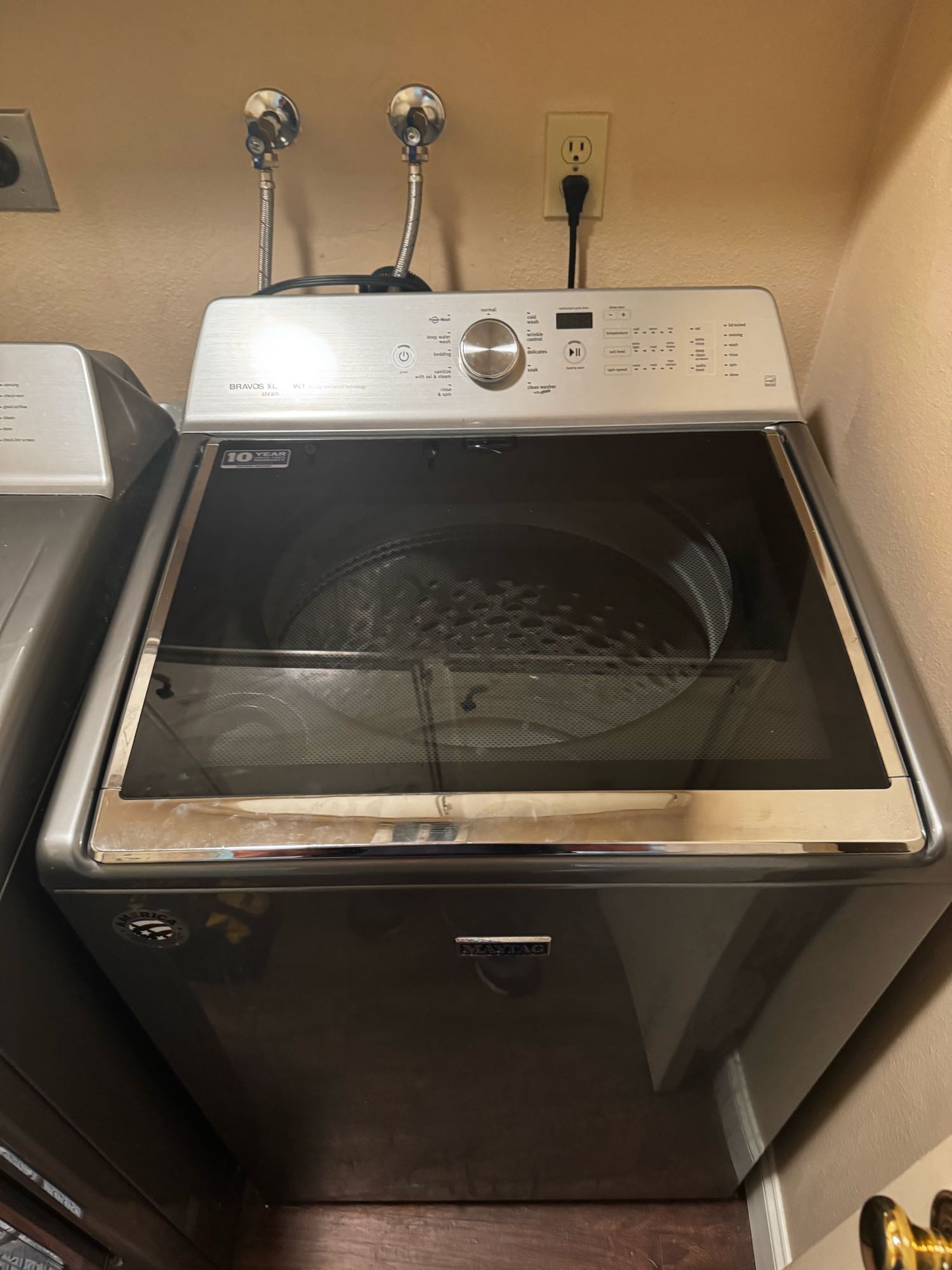
When a washing machine completes the drain cycle but refuses to move on, continuing to spin without stopping, the issue usually points to a disruption in how the appliance reads cycle progress. The machine is essentially “stuck” in a stage where it believes more action is required, even though the drum is already empty.
This behavior is common across both modern electronic models and older mechanical units. The difference lies in how each system detects water levels, motor speed, and cycle completion.
What the machine is trying to do
A wash cycle depends on a sequence of signals. The control system waits for confirmation that water has been drained, the drum has reached a safe speed, and all sensors report normal operation. When one of these signals fails or delivers incorrect data, the cycle may never advance. The result is continuous spinning after drainage, often at a constant or repeating speed pattern, without progressing to rinse or stop mode.Common causes behind endless spinning
1. Faulty water level sensor (pressure switch)
One of the most frequent causes is a malfunctioning pressure sensor. This component detects whether water remains in the drum. If it sends incorrect readings, the control board may assume the tub is still full or in transition. In response, the machine keeps the motor running to “correct” the perceived issue. A blocked air tube connected to the sensor can produce the same effect. Even small amounts of detergent residue can interfere with accurate pressure readings.2. Timer or control board failure
In older machines, a mechanical timer controls each stage of the cycle. Wear inside the timer can cause it to stall in the drain/spin phase. In modern units, the electronic control board performs this function. A software error or damaged relay may prevent the signal to stop spinning from being sent. This type of malfunction often appears inconsistent: the machine may complete cycles normally on some days and fail on others.3. Tachometer or motor speed sensor issues
The tachometer monitors drum rotation speed. If it fails, the control system loses feedback about whether the motor is behaving correctly. Without this information, the machine may keep the spin cycle active indefinitely. Loose wiring or a weakened magnetic sensor can produce similar symptoms.4. Drain system imbalance
Even though the machine is draining, partial blockages in the pump or hose can slow the process. The system may extend the spin cycle while waiting for full drainage confirmation. In some cases, the machine never receives that confirmation and continues spinning. Lint buildup, small objects, or kinked hoses are typical contributors.5. Door lock communication error
If the door lock sensor fails to confirm a secure lock status during spinning, the machine may loop the spin phase as a safety response. While less common, it can still cause prolonged or repeated spinning cycles.What can be checked at home
Some checks can be done without disassembling the machine:- Inspect the drain hose for bends or clogs
- Clean the filter trap at the bottom of the unit
- Restart the machine and observe whether the cycle advances normally
- Ensure the door closes firmly and locks without delay