
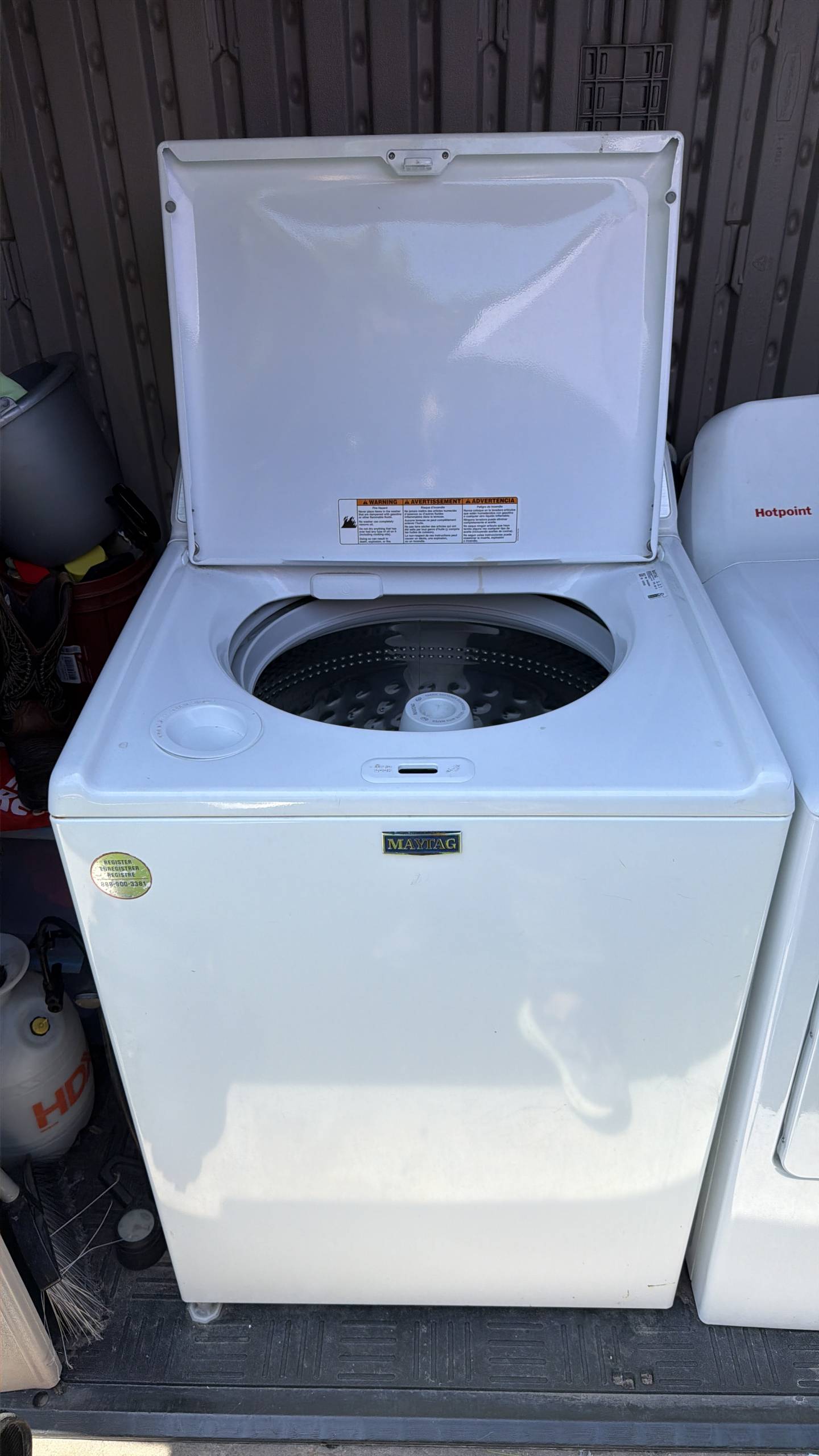
A pause right before the final spin cycle is a common but often misunderstood behavior in washing machines. The drum slows down, everything goes quiet for a moment, and then the machine either resumes spinning or hesitates longer than expected. When this pattern repeats, it usually indicates that the appliance is struggling to confirm whether water has been fully drained or whether it is safe to accelerate the drum.
This delay is rarely random. Modern washing machines rely on a chain of sensors and electronic signals to move from one stage of the cycle to another. If any part of that communication becomes unstable, the transition into the final spin can be delayed or interrupted.
Drainage system as the first checkpoint
Before spinning at high speed, the washer must remove all remaining water from the drum. If drainage is slow or incomplete, the control system automatically pauses the cycle. This is a protective step designed to prevent imbalance and mechanical stress. A partially clogged filter, restricted drain hose, or weak pump performance can all cause the machine to “wait” before continuing. Even a small obstruction can extend the drainage time enough for the system to interpret it as an error or uncertainty.Drain sensor and pressure switch behavior
Many machines use a pressure switch or electronic water level sensor to determine whether the drum is empty. When these components send inconsistent readings, the machine hesitates before the spin cycle. A worn pressure tube, trapped air, or mineral buildup inside the sensor chamber can distort readings. As a result, the control system cannot confirm that the water level is safe for spinning, so it delays activation. This type of issue often appears gradually. At first, the pause is brief. Over time, it becomes more noticeable and may be followed by incomplete spinning or cycle restarts.Control board communication delays
The control board coordinates all functions of the washing machine. When it receives delayed or conflicting signals from sensors, it may interrupt the transition into the spin phase. Electrical wear, moisture exposure, or aging solder points can affect how reliably the board processes information. In some cases, the board itself is functional, but communication with sensors becomes unstable under load conditions such as draining and spinning. These faults are harder to detect without diagnostic tools because symptoms often overlap with mechanical drainage issues.Electrical and connection factors
Loose wiring between the pump, sensors, and control board can create intermittent pauses. Vibrations during wash cycles may gradually weaken connectors, especially in older machines. When contact is unstable, the system may repeatedly verify drain status before proceeding. This creates a visible hesitation right before spinning begins.How to narrow down the cause
A few practical checks can help identify the source of the delay:- Inspect and clean the drain filter regularly
- Check the drain hose for bends or blockages
- Listen for changes in pump sound during draining
- Observe whether the pause length increases over time
- Note any error codes displayed after the cycle