
loading
PRO 1
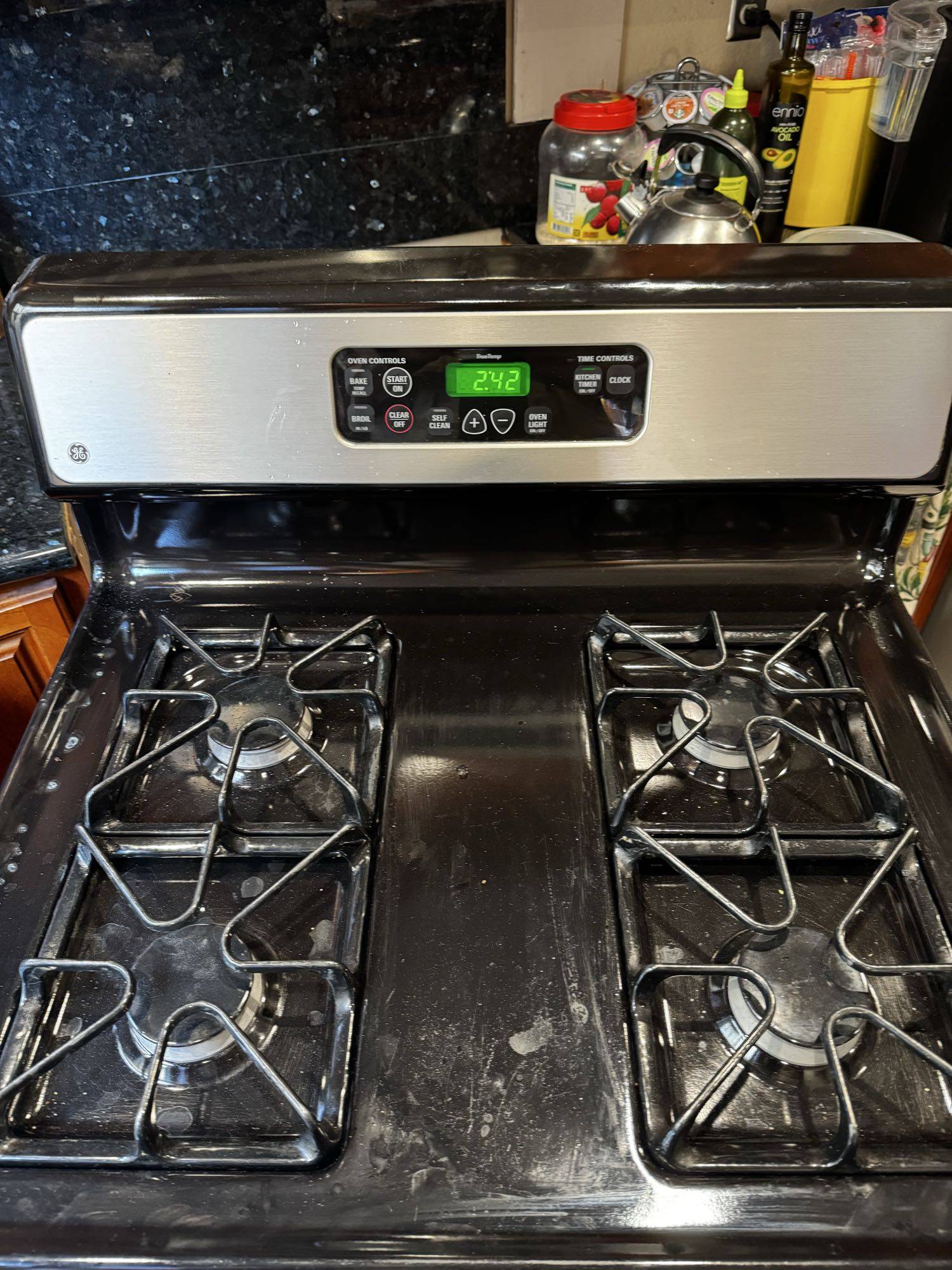
A gas stove that refuses to light on the first click is more than just a culinary inconvenience; it is a disruption to your household rhythm and a potential safety concern. When you turn the knob and hear the rhythmic click-click-click without the reward of a blue flame, the ignition system is failing to bridge the gap between fuel and fire. Understanding the mechanics of this failure can help you determine whether you are facing a simple cleaning task or a component failure that requires professional intervention.

The Anatomy of the Ignition Spark

Modern gas stoves typically utilize an electronic ignition system. When you turn the control knob to the “Lite” position, you activate a switch that sends electricity to an igniter (or spark electrode). This electrode sits near the burner ports where gas is released. The electricity jumps the gap between the electrode and the burner cap, creating a spark that ignites the gas-air mixture. If this process takes multiple attempts, the “chain of command” in this system has been broken.

Common Culprits of Ignition Failure

1. Moisture and Food Spills

The most frequent cause of delayed ignition is environmental. Cooking is a messy process; boiled-over pasta water or grease splatters can coat the spark electrode. If the electrode is damp or covered in residue, the electricity may dissipate or “leak” instead of jumping the gap to create a concentrated spark. Even high humidity in the kitchen can sometimes cause enough surface moisture on the ceramic insulator to prevent a strong spark.

2. Clogged Burner Ports

The spark needs to meet a specific concentration of gas to ignite. If the small holes in the burner head (ports) directly adjacent to the igniter are clogged with carbon buildup or food debris, the gas cannot reach the spark. You may hear the clicking, but the fuel source is effectively “walled off” from the heat source.

3. Misaligned Burner Caps

For a spark to jump effectively, the burner components must be seated perfectly. If a burner cap is bumped during cleaning or is slightly askew, it alters the path of the electrical arc or the flow of the gas. This misalignment often results in a spark that occurs in the wrong place or a gas flow that is too turbulent to catch fire immediately.

4. Faulty Spark Module or Igniter Switch

If the clicking sound is intermittent, weak, or completely absent on only one burner, the problem may be the spark ignition switch located behind the control knob. If the issue persists across all burners, the spark module—the “brain” that generates the electrical pulses—is likely failing. These are internal electrical components that degrade over time due to heat exposure and use.

Safety First: When to Stop Troubleshooting

While cleaning a burner head is a safe DIY task, lingering gas smells are a different story. If you smell gas but do not hear clicking, or if the stove fails to light after 10 seconds of clicking, turn the knob off immediately. Open a window and allow the gas to dissipate before attempting to investigate further.

Professional Solutions for Lasting Performance

Diagnostic testing of a gas range involves checking voltage continuity and inspecting the integrity of ceramic insulators that are often brittle. Attempting to repair internal wiring or gas valves without the proper tools can lead to leaks or electrical shorts. If your stove has become a source of frustration rather than a tool for creation, it is time for a professional recalibration. Ensure your kitchen remains the heart of your home by maintaining your appliances with expert care. San Diego Appliance Repair Service offers comprehensive diagnostics and repairs for all major gas stove brands. Our technicians are trained to identify the subtle differences between a dirty igniter and a failing spark module, ensuring your appliance is safe and reliable.   Contact us (619) 719-5005   [email protected]