
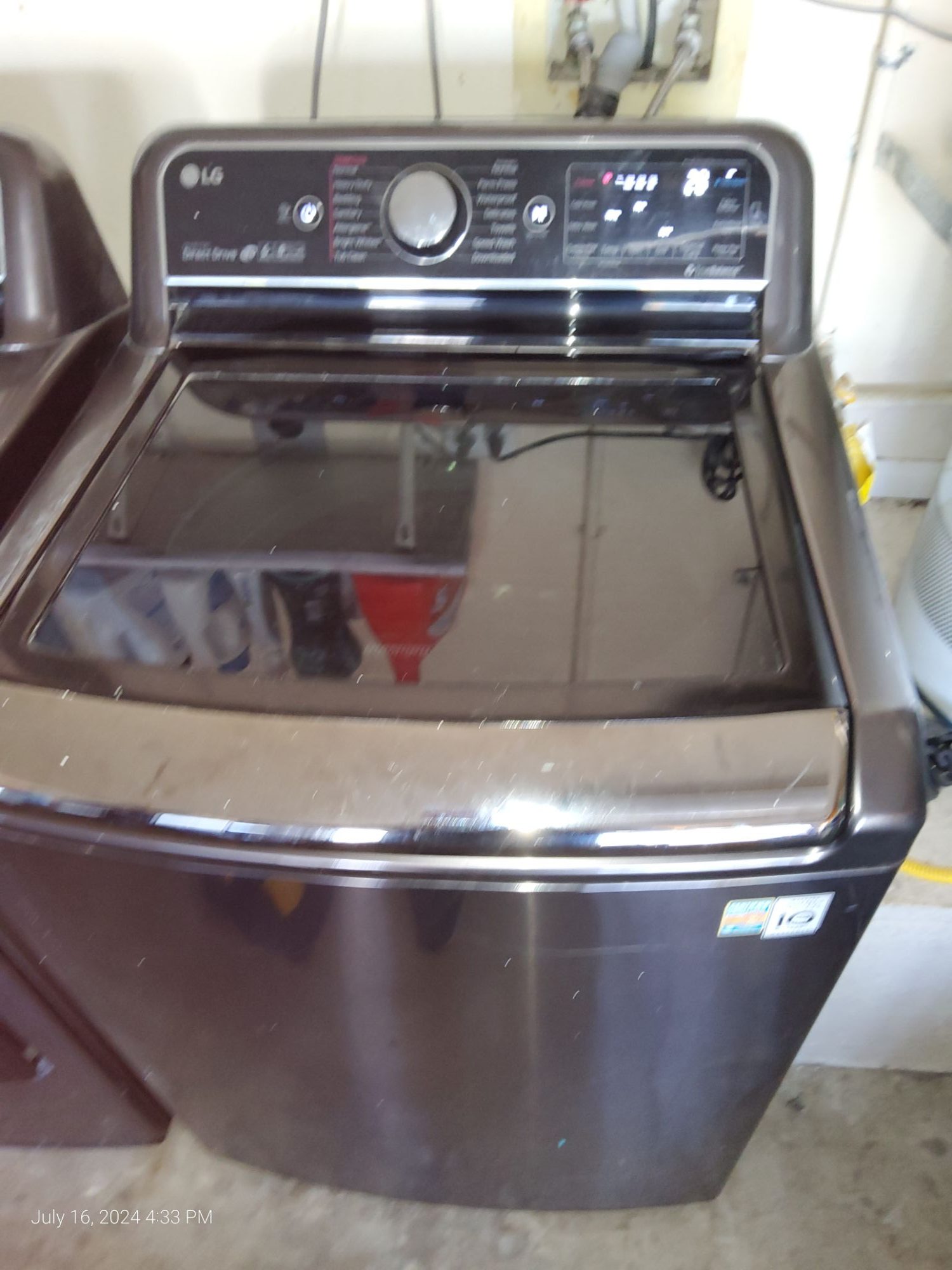
At first, it’s barely noticeable. A faint hum that seems a little louder. A mild shake during the spin cycle that wasn’t there before. Maybe the detergent bottle on top of the washer shifts slightly. You tell yourself it’s normal. After all, washing machines work hard. They spin, agitate, drain, and repeat this process several times a week. A little vibration must simply be part of aging.
But what if it isn’t?
A washing machine that vibrates slightly more each month is often showing early signs of mechanical imbalance. What feels like harmless “normal wear” may actually be the beginning of a deeper structural issue. The key difference between natural aging and developing malfunction lies in progression. Normal wear remains relatively stable. Mechanical faults gradually intensify.
Understanding this difference can save you from costly repairs later.
Why Vibration Increases Over Time
Modern washing machines are designed with shock absorbers, suspension rods, counterweights, and precision-balanced drums. These components work together to stabilize the machine during high-speed spin cycles. When everything is aligned correctly, the unit may hum but should not creep across the floor or shake cabinets. However, several hidden factors can cause vibration to grow month after month: Worn Shock Absorbers Shock absorbers dampen drum movement. As they weaken, they lose their ability to control oscillation. The change is gradual, so many homeowners adapt to the new “normal” without realizing performance is degrading. Suspension Spring Fatigue Top-load washers rely on suspension systems to keep the tub centered. Over time, metal fatigue reduces tension, allowing the drum to shift more aggressively during spin. Uneven Drum Bearings Bearings support smooth drum rotation. When they begin wearing out, they create slight misalignment. This misalignment translates into vibration that steadily increases. Counterweight Loosening Front-load machines use concrete or composite counterweights to balance high-speed rotation. If mounting bolts loosen, the unit may vibrate more with each cycle. Subfloor Amplification Even minor internal imbalance can appear worse if flooring beneath the washer shifts or weakens. Over months, subtle floor flex can amplify small mechanical inconsistencies.When “Normal Wear” Becomes a Warning
The most dangerous part of progressive vibration is how easy it is to dismiss. Because the change is slow, it doesn’t trigger urgency. Yet washing machines operate at extremely high spin speeds. Even small imbalances create force. Over time, that force stresses internal components. Ignoring vibration can lead to:- Cracked outer tubs • Premature bearing failure • Motor strain • Loosened electrical connections • Water line stress • Cabinet frame distortion