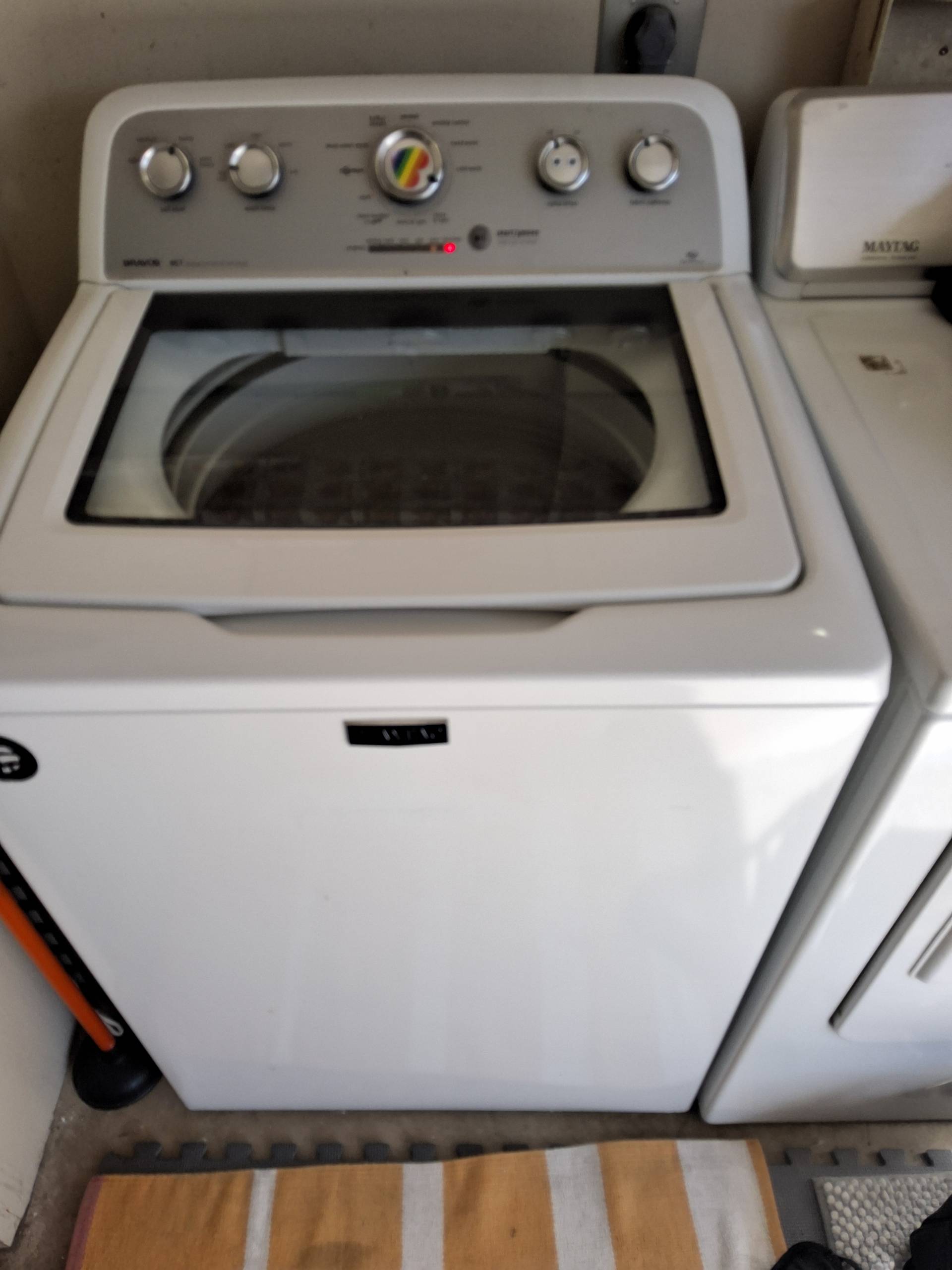
A washing machine is one of the most reliable appliances in a household. Day after day, it cleans clothes with minimal effort from us. But what happens when it starts to perform differently, even if only subtly? You may notice that your washer still runs the same programs, yet the rinse cycle seems less thorough. Clothes may feel a little soapy or leave a faint residue behind. While this might seem minor, it can be an early sign of underlying issues that shouldn’t be ignored.
Why Rinsing Matters
Rinsing is more than just a step to remove detergent. Proper rinsing ensures that clothing is free from chemicals that can irritate skin, especially for those with sensitivities or allergies. Residual detergent can also cause fabrics to stiffen or lose their softness over time. In addition, ineffective rinsing can attract more dirt and reduce the longevity of your garments.Common Causes of Less Thorough Rinsing
- Clogged or Partially Blocked Water Inlet Valves Over time, sediment or mineral deposits can accumulate in the water inlet valves. This reduces the flow of water during rinse cycles, making it harder for the washer to remove soap effectively. While the machine may still fill and complete cycles, the rinsing process may be weaker.
- Worn or Damaged Pump Components The pump is responsible for draining water and circulating it properly during cycles. If the pump is partially worn out or blocked, the washer may not circulate rinse water efficiently. This can result in clothes that feel soapy even after multiple rinses.
- Issues with Spray or Rinse Jets (Front-Load Washers) Many modern front-load washers have internal spray arms or jets designed to rinse clothes thoroughly. Over time, these can become clogged with detergent residue, lint, or hard water deposits. Reduced water pressure from blocked jets directly impacts rinse effectiveness.
- Excess Detergent or Wrong Detergent Type Using too much detergent or a type that doesn’t fully dissolve can leave residue on clothing. This is especially true in areas with hard water. Even if the machine’s rinse cycle is functioning normally, excess soap can make it feel like rinsing is incomplete.
- Internal Sensor or Software Issues Some washers rely on sensors to detect water levels, detergent presence, or cycle completion. A malfunctioning sensor may not adjust water usage correctly, resulting in insufficient rinsing. In some cases, an electronic issue may trigger an early end to the rinse cycle.
Why This Shouldn’t Be Ignored
A less effective rinse may seem harmless, but it can lead to larger problems. Detergent build-up in the machine itself can create a breeding ground for mold or mildew, leading to unpleasant odors and potential bacterial growth. Over time, this can affect both the appliance’s lifespan and your family’s health. Ignoring subtle changes in rinse performance could also mask more significant mechanical issues. Water pumps, valves, and sensors wear gradually, so early signs may be subtle. Addressing these issues promptly can prevent costly repairs or the need to replace the washer entirely.What You Can Do
Start by checking simple factors:- Ensure you are using the correct detergent type and amount. High-efficiency washers require HE detergent in the right quantities.
- Examine your washer’s hoses and inlet valves for blockages or mineral deposits.
- Clean the drum, door seal, and internal spray jets according to manufacturer recommendations.
- Inspect and clean internal components that are difficult to access
- Test and replace worn pumps or valves
- Check sensors and control boards for proper function
- Ensure your washer rinses as effectively as when it was new