
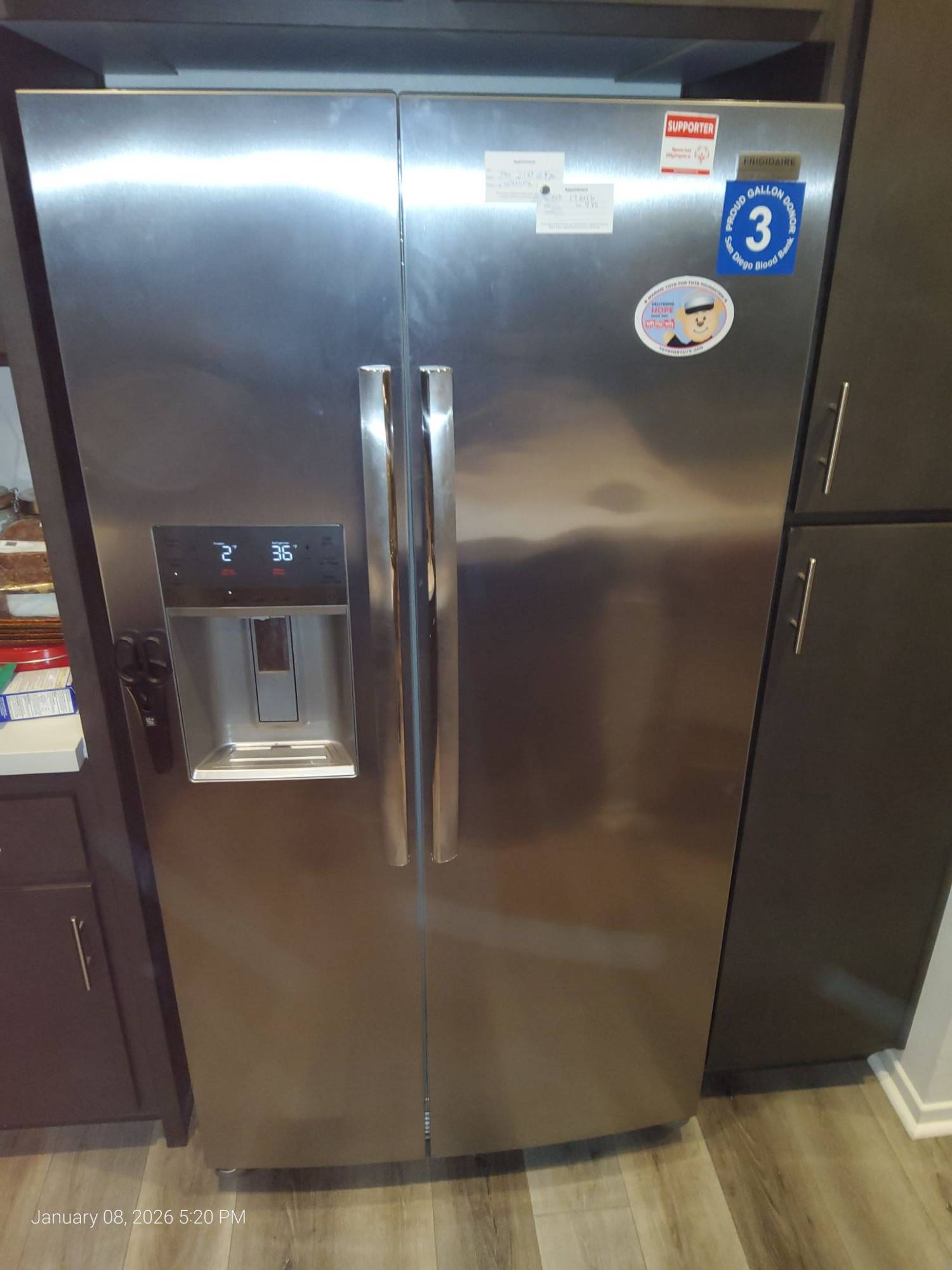
At first glance, everything seems fine. Your refrigerator is cold, food stays chilled, and there are no unusual noises or warning lights. Yet you start noticing something subtle but persistent: droplets of water forming on interior walls, moisture collecting on shelves, or even light condensation around the door seal. Many homeowners assume this is simply due to seasonal humidity. However, recurring condensation inside a refrigerator that otherwise appears to function normally is often an early warning sign of a developing problem.
Understanding why this happens can help you avoid more serious damage, food spoilage, and higher energy bills.
How Refrigerators Manage Moisture
Modern refrigerators are designed not only to cool but also to control humidity. During normal operation, warm air enters when the door is opened. The cooling system removes heat, and excess moisture is directed toward a defrost drain and evaporated safely. When everything works properly, condensation is minimal and temporary.
If you’re seeing moisture more frequently, especially without major changes in weather or usage habits, the issue likely lies within the appliance itself.
Worn or Damaged Door Gasket
One of the most common causes of repeated condensation is a compromised door seal. The rubber gasket around the door creates an airtight barrier. If it becomes loose, cracked, or warped, warm air constantly leaks into the refrigerator.
Even if cooling performance seems normal, the compressor may be working harder to compensate for the temperature fluctuations. This repeated warm-air intrusion leads to moisture buildup inside. Over time, it can also increase wear on internal components.
You might notice:
• Moisture along the door frame
• Slight resistance changes when closing the door
• Higher energy bills
A simple seal issue can gradually evolve into a larger efficiency problem.
Partially Clogged Defrost Drain
Refrigerators go through automatic defrost cycles to prevent frost buildup on the evaporator coils. During this process, melted frost drains through a small channel to a pan beneath the unit. If that drain becomes partially clogged with debris or residue, water cannot flow freely.
Instead, it accumulates inside the refrigerator, creating unexplained condensation or small water pools under drawers. Because the cooling system still functions, many homeowners overlook this sign.
Left unresolved, excess moisture can lead to unpleasant odors, mold growth, or even corrosion of internal parts.
Improper Air Circulation
Refrigerators rely on internal fans to distribute cold air evenly. If airflow becomes restricted — due to overpacking, blocked vents, or a weakening fan motor — temperature distribution shifts. Some areas may cool slightly less effectively, causing localized condensation.
This imbalance may not immediately affect overall cooling performance, but it creates moisture pockets that shouldn’t be there.
If you notice condensation forming repeatedly in the same section, especially near vents, airflow issues could be the reason.
Early Sensor or Thermostat Irregularities
Modern refrigerators use temperature sensors and electronic controls to regulate cycles. If a sensor begins to drift out of calibration, the appliance may run slightly longer or shorter cycles than necessary. This subtle inconsistency can increase humidity inside without causing obvious cooling failure.
Because food still feels cold, many homeowners delay service. However, electronic control irregularities often worsen over time, leading to uneven cooling or eventual breakdown.
Hidden Insulation Concerns
In some cases, aging insulation inside the refrigerator walls begins to lose efficiency. When insulation weakens, external temperature differences create more internal condensation. This is less common but possible in older units.
While insulation issues are not always repairable, diagnosing them early prevents wasted money on unnecessary part replacements.
Why It Shouldn’t Be Ignored
Excess condensation is not just cosmetic. Persistent moisture can:
- Shorten food shelf life • Promote mold or bacterial growth • Cause unpleasant odors • Strain the compressor • Increase energy consumption • Damage shelves and internal components
- Test door gasket integrity • Clear and inspect the defrost drain system • Evaluate airflow and fan performance • Check temperature sensors and control boards • Identify early compressor strain