
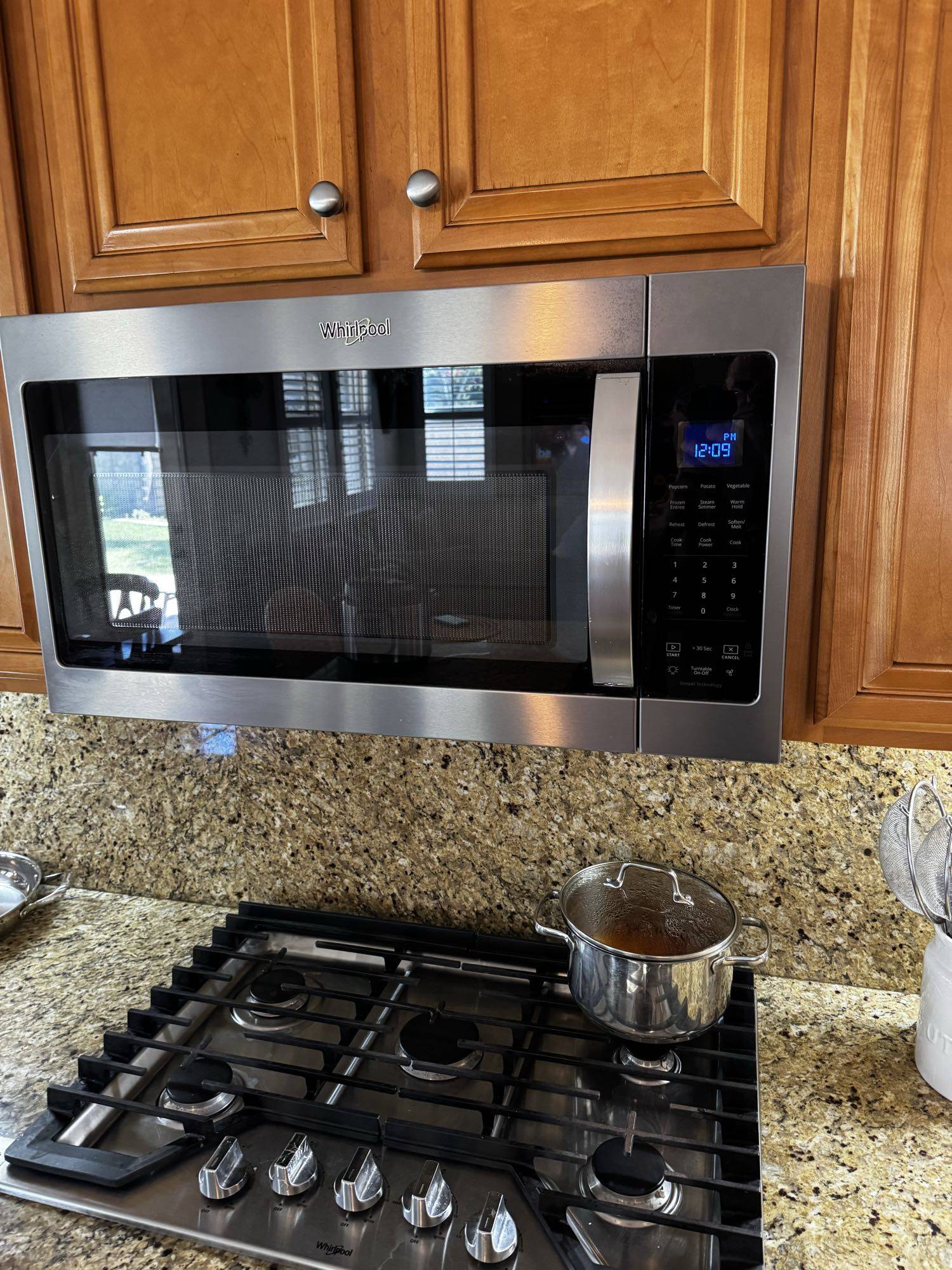
The microwave oven is the unsung hero of the modern kitchen. From defrosting tonight’s dinner to reheating a morning coffee, its convenience is unparalleled. However, because we use it so frequently, we often overlook the mechanical integrity of the appliance—specifically the door.
If you have noticed that your microwave door won’t close tightly, or if you have to “slam” it or lift it slightly to get the latch to engage, you are dealing with more than just a minor annoyance. A door that does not seal perfectly is a functional failure that can lead to safety hazards and internal component damage.
Why a Tight Seal is Non-Negotiable
Unlike a conventional oven, which uses radiant heat, a microwave uses electromagnetic radiation (microwaves) to vibrate water molecules in food. The metal mesh and the heavy-duty seal on the door are designed to act as a Faraday cage, keeping that radiation inside the unit. When the door is misaligned or the latch is loose:- Radiation Leakage: Even a tiny gap can allow microwave energy to escape, which can interfere with Wi-Fi signals or, in extreme cases, pose health risks.
- Interlock Failure: Microwaves feature safety interlock switches. If the door isn’t closed perfectly, the sensors tell the computer the door is open, and the unit simply won’t start.
- Energy Inefficiency: Steam and heat escape, leading to unevenly cooked food and longer run times.
Common Culprits: Latch and Alignment Issues
If your door is hanging low or refusing to click into place, the issue usually falls into one of three categories: the latch assembly, the hinges, or the door springs.1. The Latch Assembly (The Hook)
The latch consists of two plastic hooks (often called “tines”) that enter the frame of the microwave and engage with the interlock switches. Over time, these plastic pieces can become brittle or cracked. If one hook is broken, the door may close but won’t “catch,” or it may feel loose on one side.2. Misaligned Hinges
Microwave doors are heavy. Years of opening, closing, and perhaps the occasional weight of a hand leaning on an open door can cause the hinges to sag. If the door is even a few millimeters out of alignment, the latches will not line up with the holes in the frame. This results in a door that looks crooked or requires you to lift it upward to get it to shut.3. Tension Spring Failure
Inside the door panel, there are small springs that provide the “snap” when you close the door. If these springs overextend or snap, the latch hooks will hang limp. Without that spring tension, the hooks won’t lock onto the internal switches, leaving the door slightly ajar.Troubleshooting the Gap
Before calling in the professionals, you can perform a few visual checks to identify the source of the problem.- The Paper Test: Close the door on a thin strip of paper. If you can pull the paper out with zero resistance, the seal is not tight enough in that area.
- Visual Inspection: Look at the “strike” (the holes where the latches go). Are there food particles or grease buildup? Sometimes, a simple cleaning of the latch entry point can solve the issue.
- Check the Bushings: Look at the hinge pins. If the plastic bushings are worn down, the door will wobble.