
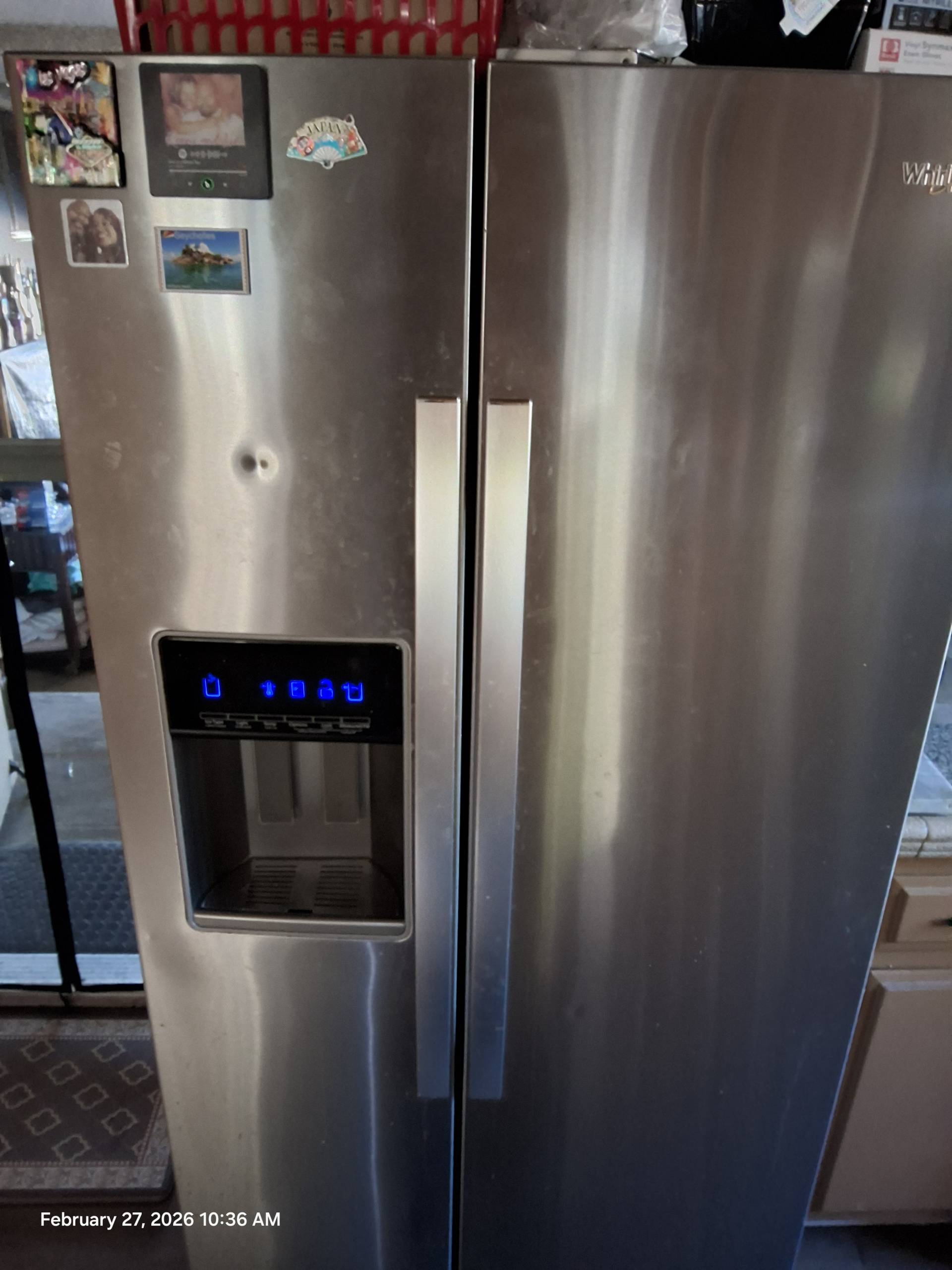
A Samsung refrigerator that keeps the freezer cold while the fresh food compartment becomes warm is a common problem that many homeowners experience. At first, it may seem confusing because the appliance is still producing cold air. However, this symptom usually means the cooling system is only working properly in one section of the refrigerator. Ignoring the issue can lead to spoiled food, higher energy consumption, and more expensive repairs if the problem worsens.
Modern Samsung refrigerators rely on a single cooling system that distributes cold air from the freezer into the refrigerator compartment. If that airflow is interrupted, the freezer may continue maintaining the correct temperature while the refrigerator section gradually becomes too warm.
How Cooling Air Reaches the Refrigerator
Most Samsung refrigerators generate cold air in the freezer. An evaporator fan circulates this cold air throughout the appliance, while an air damper controls how much of it enters the fresh food compartment. If either component stops working correctly, the refrigerator section receives little or no cold air, even though the freezer continues operating normally. Several different failures can create these symptoms, and identifying the exact cause requires proper testing.Possible Cause #1: Faulty Evaporator Fan Motor
The evaporator fan is responsible for moving cold air across the evaporator coils and pushing it into both compartments. If the fan motor fails, becomes noisy, or stops spinning altogether, cold air remains trapped inside the freezer instead of circulating throughout the refrigerator. Common signs include:- Freezer stays cold
- Refrigerator compartment is warm
- Little or no airflow from refrigerator vents
- Buzzing or unusual noises
- Intermittent cooling
Possible Cause #2: Malfunctioning Air Damper
The air damper regulates airflow between the freezer and refrigerator. When it becomes stuck closed or partially closed, the refrigerator receives insufficient cold air. A damaged damper may fail because of:- Broken gears
- Electrical failure
- Ice buildup
- Worn actuator motor
- Control board communication problems
Possible Cause #3: Frost Blocking Airflow
Heavy frost around the evaporator coils can block air circulation. Even if the evaporator fan is operating correctly, it cannot move enough cold air through thick ice accumulation. This often indicates a problem with the automatic defrost system, which may involve:- Defrost heater
- Defrost thermostat
- Defrost sensor
- Main control board
Possible Cause #4: Blocked Air Vents
Food packages placed directly against interior vents can prevent cold air from reaching the refrigerator compartment. Although this is one of the simplest causes, it is frequently overlooked. Make sure there is adequate space around the vents so air can circulate freely throughout the refrigerator.Possible Cause #5: Dirty Condenser Coils
Dust and pet hair on the condenser coils reduce cooling efficiency. While dirty coils alone may not create this exact symptom, they can contribute to uneven temperatures and force the compressor to work harder than necessary. Cleaning the coils every six to twelve months helps improve performance and energy efficiency.Possible Cause #6: Electronic Control Problems
Samsung refrigerators rely on electronic control boards to regulate fans, dampers, temperature sensors, and cooling cycles. A defective control board may fail to activate the evaporator fan or properly open the air damper, leading to inconsistent temperatures between compartments. Because electronic failures can mimic mechanical problems, professional diagnosis is often necessary.What You Can Check Yourself
Before scheduling service, you can perform a few basic inspections:- Verify the refrigerator temperature settings.
- Listen for the evaporator fan when the freezer door is closed.
- Check for airflow from the refrigerator vents.
- Remove food blocking air passages.
- Inspect for excessive frost inside the freezer.
- Clean the condenser coils if they are dirty.