
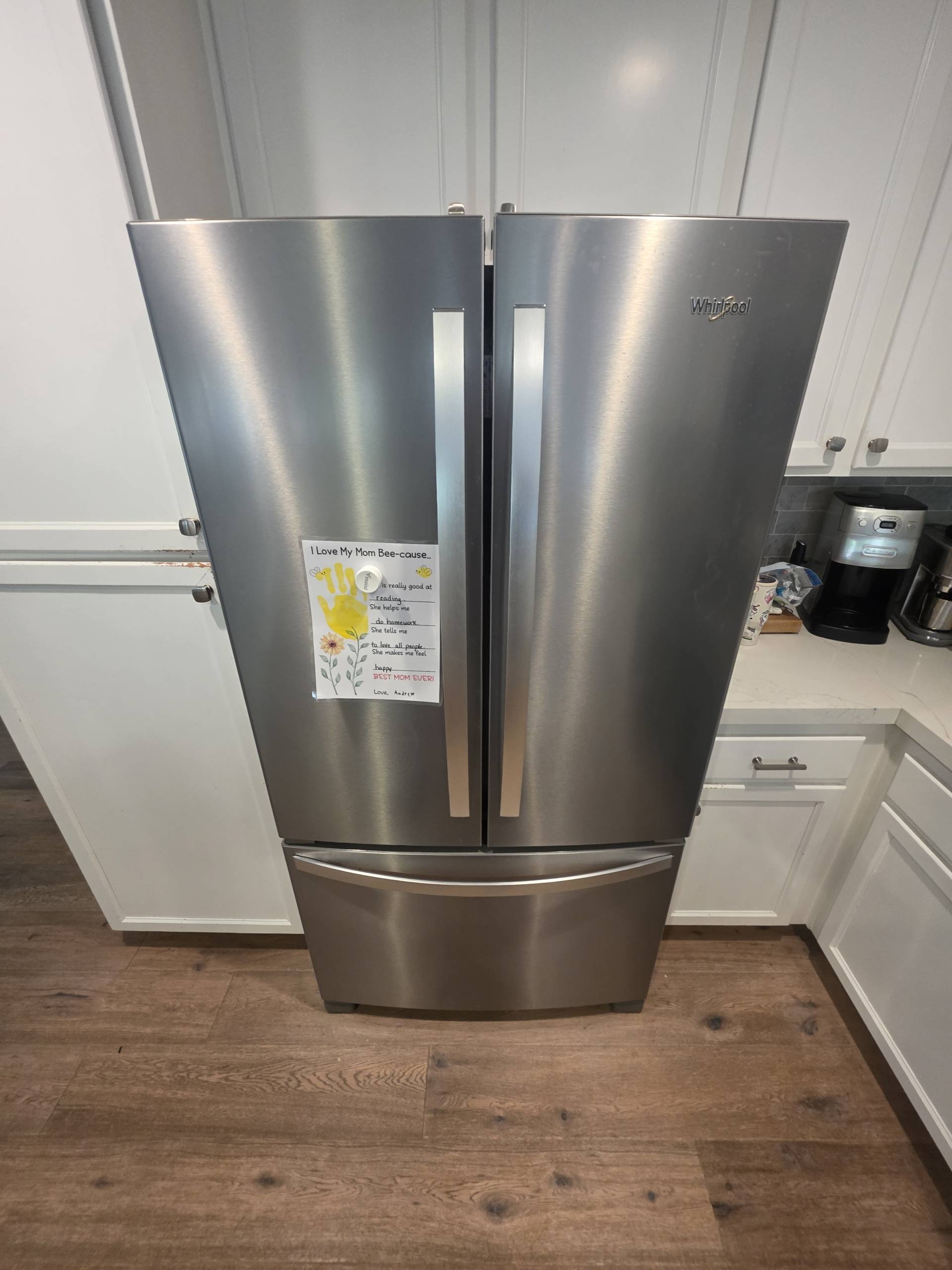
A refrigerator that appears to work normally but starts losing cooling power during hot days is a common issue in residential kitchens. The motor runs, there are no unusual noises, yet the internal temperature rises above safe levels. This usually points to reduced heat exchange efficiency or restricted airflow rather than a complete system failure.
When ambient temperature increases, the refrigerator’s cooling system has to work harder to remove heat from inside the cabinet and release it outside. If any part of that process is weakened, performance drops quickly.
How Heat Affects Refrigerator Performance
Refrigerators are designed to operate within a certain range of room temperatures. When the kitchen becomes significantly warmer, the condenser system must dissipate more heat into an already hot environment. If airflow around the condenser coils is restricted or the coils are dirty, heat transfer slows down. As a result, the unit may run continuously but still fail to maintain stable cooling. In many cases, users notice the problem only on hotter days because the system is already operating near its limit.Dirty or Blocked Condenser Coils
One of the most common causes is dust buildup on the condenser coils. These coils release heat from the refrigerant, and when they are coated with dirt or grease, heat exchange becomes inefficient. The compressor continues working, but the system cannot expel enough heat. This leads to gradually rising internal temperatures, especially when the room is warm. Cleaning the coils can significantly improve performance, but if the problem returns quickly, it may indicate poor ventilation around the appliance or deeper system inefficiency.Condenser Fan Problems
The condenser fan plays a key role in pushing air across the coils. If it slows down, becomes obstructed, or begins to fail electrically, heat removal drops sharply. Even a partially functioning fan can create a situation where the refrigerator runs continuously without reaching the set temperature. In hot weather, this issue becomes more noticeable because the system has no extra capacity to compensate.Restricted Airflow Inside the Refrigerator
Cold air must circulate evenly throughout the compartments. If vents are blocked by food containers or ice buildup, temperature distribution becomes uneven. Some areas may stay cold while others warm up quickly. A faulty evaporator fan can also cause similar symptoms. When this fan fails, cold air from the evaporator section does not circulate properly, and the refrigerator loses efficiency even though the compressor is running normally.Door Seals and Warm Air Leakage
Worn or damaged door gaskets allow warm air to enter the refrigerator. On hot days, the temperature difference between the kitchen and the interior is higher, so even small leaks can significantly impact performance. If the door does not close tightly or the seal feels loose or cracked, the cooling system compensates by running longer cycles, which still may not be enough to maintain stable temperatures.Thermostat or Sensor Issues
Temperature sensors or thermostats control how often the compressor turns on and off. If they provide inaccurate readings, the system may not respond correctly to rising internal temperatures. This often results in inconsistent cooling: the refrigerator seems fine in the morning but struggles later in the day when the ambient temperature rises.Low Refrigerant or System Inefficiency
If airflow and cleaning issues are not the cause, low refrigerant levels or a slow leak may be responsible. In this case, the compressor runs continuously but cannot achieve sufficient cooling capacity. This is not a maintenance issue and requires professional diagnosis, as refrigerant handling involves specialized equipment.Basic Checks Before Calling a Technician
A few simple steps can help narrow down the issue:- Clean the condenser coils and ensure proper ventilation around the unit
- Check that air vents inside are not blocked
- Inspect door seals for gaps or deformation
- Listen for fan operation behind or inside the unit
- Verify temperature settings are correct