
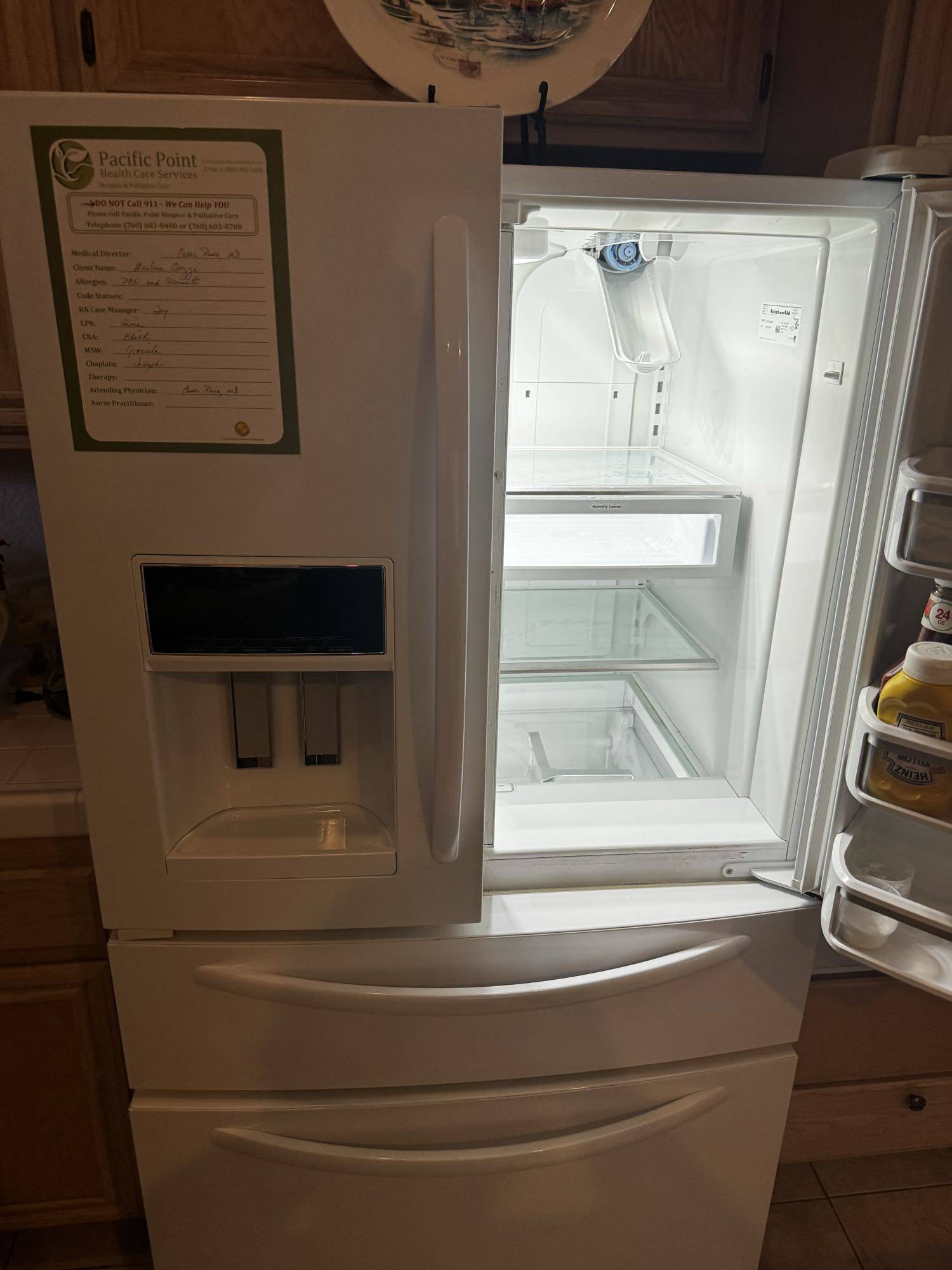
A refrigerator that runs normally but produces a rattling sound right after a cooling cycle often signals mechanical vibration rather than a failure of the entire system. The noise may appear briefly, repeat regularly, or grow more noticeable over time. In most cases, the source is tied to moving parts or components that loosen slightly during operation.
Understanding where the sound comes from helps prevent unnecessary repairs and reduces the risk of a more serious breakdown.
Fan-related issues
One of the most common reasons for rattling is the evaporator or condenser fan. These fans regulate airflow through the cooling system. When dust accumulates on the blades or ice forms around the housing, the fan can become unbalanced. This imbalance leads to a repetitive rattling or tapping sound, especially when the compressor shuts off and airflow changes direction. A worn fan motor bearing can also produce intermittent noise during shutdown phases. If the sound seems to come from the back panel or inside the freezer compartment, the fan assembly is usually the first component to inspect.Drain pan movement or misalignment
Another frequent source of rattling is the drain pan located underneath the refrigerator. During a cooling cycle, condensation flows into this pan and slowly evaporates due to heat from the compressor. If the pan is not seated correctly, or if it has become warped over time, it may vibrate against the frame once the compressor stops. Even a small shift in position can create a noticeable metallic rattle. In some cases, dust or debris under the unit can amplify this effect by preventing the pan from sitting evenly on its supports.Compressor mount vibrations
The compressor is the most powerful moving component in a refrigerator, and it naturally produces some vibration. To control this, manufacturers install rubber mounts or dampers. When these mounts wear out, harden, or loosen, vibrations are transferred directly to the metal frame. The result is a rattling or buzzing sound that often appears right after the compressor shuts off or during pressure equalization. This type of issue tends to become more noticeable with age. It may start as a faint noise and gradually increase in intensity as the mounts degrade.Other contributing factors
Loose panels, unsecured tubing, or improperly positioned internal components can also contribute to post-cycle noise. Refrigerators experience constant thermal expansion and contraction, which slowly shifts parts out of their ideal position. Even minor misalignment can create resonance when the system stops actively cooling.How to narrow down the source
Identifying the origin of the noise requires careful observation. A few practical steps help narrow it down:- Listen for the location of the sound: rear, bottom, or inside freezer
- Check whether the noise occurs only after shutdown or also during operation
- Gently press against the back panel when the noise appears to see if it changes
- Inspect the base area for a loose or vibrating drain pan
When the issue should not be ignored
A rattling refrigerator is not always an emergency, but it should not be dismissed if it becomes frequent or louder over time. Persistent vibration can lead to:- Increased wear on the compressor
- Reduced cooling efficiency
- Loose internal components that may fail later
Preventive maintenance
Basic maintenance reduces the likelihood of recurring noise:- Cleaning condenser coils to prevent overheating and vibration
- Ensuring the refrigerator is level on the floor
- Checking that the drain pan is properly seated
- Removing dust buildup around rear components