
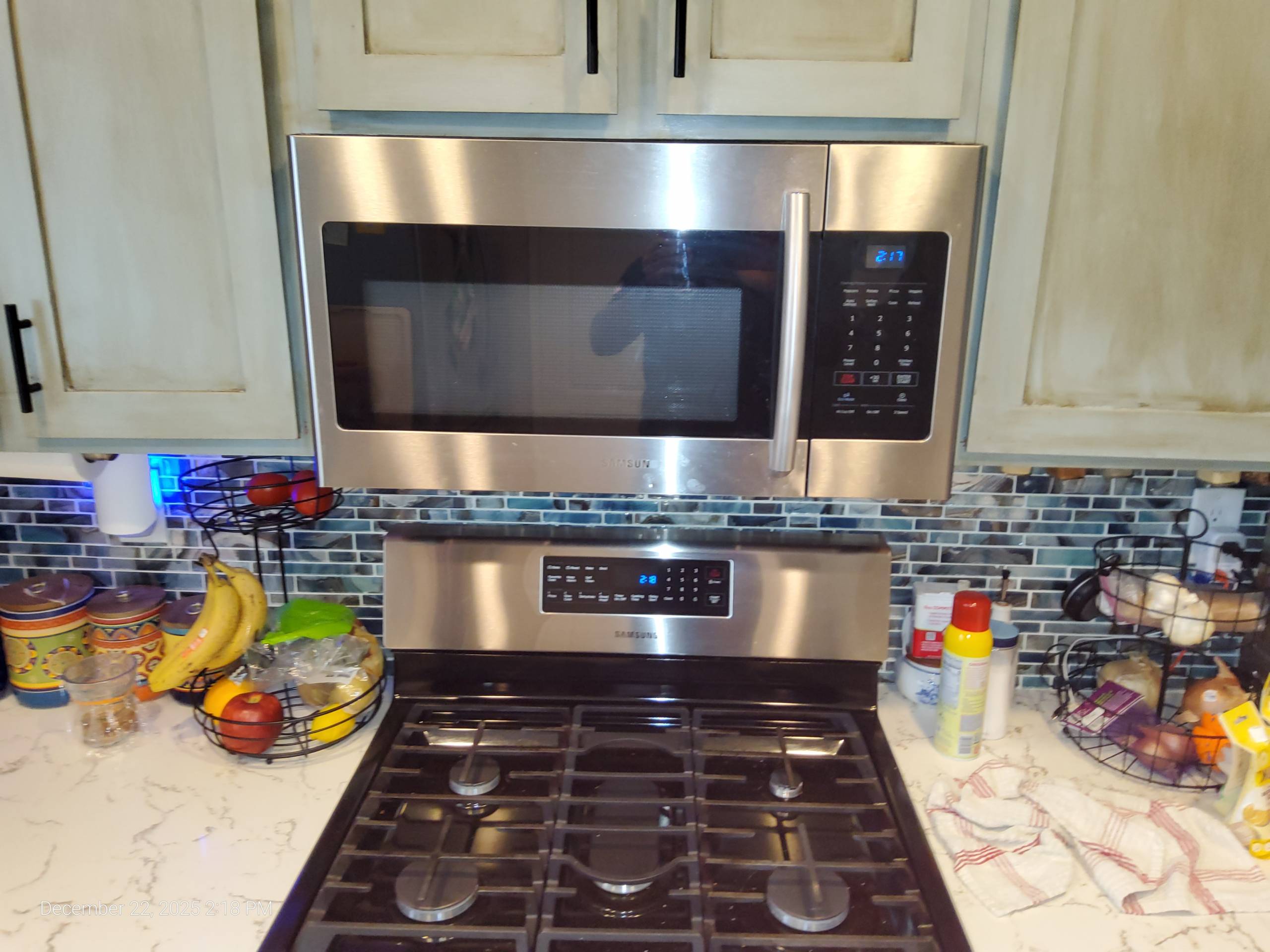
A microwave is designed to make cooking and reheating quick and convenient. But when your microwave seems to run endlessly while your food ends up unevenly cooked — with some parts hot and others still cold — it’s more than just a problem of technique. Uneven cooking can indicate underlying appliance issues that, if ignored, may worsen over time.
One common assumption is that food placement or container choice is the cause. While it’s true that arranging food in an uneven layer, using thick containers, or stacking items can affect how heat distributes, repeated inconsistencies are often a sign that the microwave itself is malfunctioning.
Magnetron Issues
The magnetron is the component responsible for generating the microwave energy that cooks your food. If the magnetron is weakening, the microwave may take longer than normal to heat, and the energy may not distribute evenly across the cooking cavity. Signs of magnetron problems include extended cooking times, uneven hot spots, and sometimes unusual humming or buzzing noises during operation.
Turntable Malfunctions
Most microwaves rely on a rotating turntable to ensure even heating. If the turntable motor is faulty, or the plate is misaligned, food will remain in certain areas longer than others, causing uneven heating. Even if the microwave seems to run continuously, a stuck or slow turntable prevents proper circulation of energy.
Waveguide or Reflector Problems
Microwave ovens use a waveguide to direct energy into the cooking cavity. Obstructions, grease buildup, or damage to the waveguide or internal reflectors can distort the energy flow, creating hotspots and cold spots in your food. This often appears as uneven cooking regardless of how long the microwave runs.
Sensor Malfunctions
Modern microwaves often include sensors to detect humidity or temperature inside the cavity and adjust cooking times automatically. If these sensors fail, the appliance may continue running unnecessarily, trying to reach the expected temperature, yet still leave parts of the food undercooked.
Electrical or Control Board Issues
Sometimes, the microwave’s control board or internal circuitry can become faulty. Erratic signals may cause the appliance to overcook certain areas while leaving others cold, or prolong cycles unnecessarily. These issues are rarely visible from the outside, and troubleshooting without professional tools can be risky.
What You Can Do
Before calling a repair service, it’s worth checking the basics:
- Food Placement – Arrange food in a single, even layer when possible.
- Container Type – Use microwave-safe containers and avoid thick, insulated materials that block energy.
- Turntable Function – Make sure the plate rotates smoothly and isn’t wobbling.