
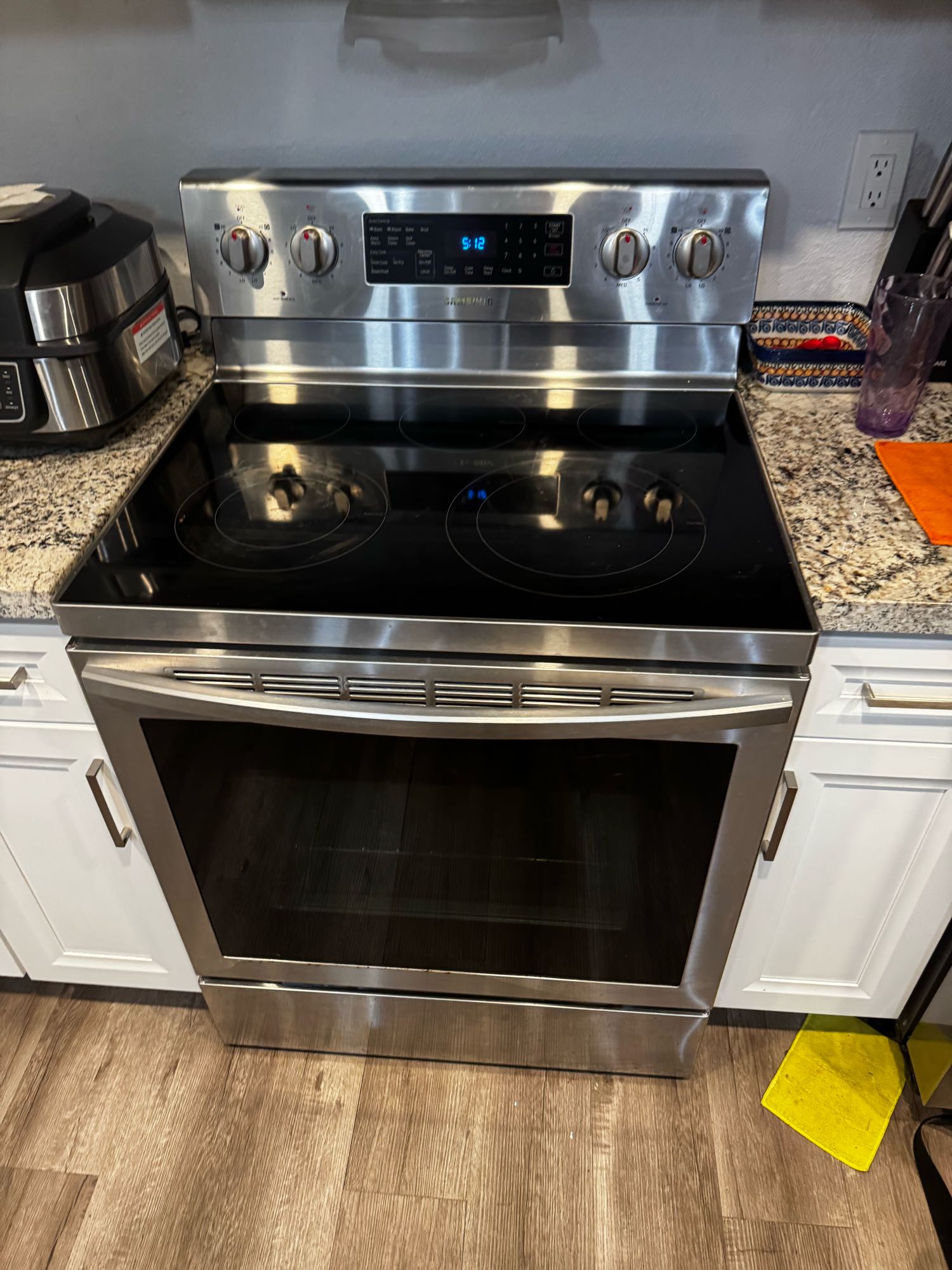
Modern induction cooktops are designed to deliver precise heat control. Water should boil quickly on high power, sauces should simmer steadily on low settings, and temperature adjustments should respond almost instantly. When the cooktop starts heating unevenly between power levels, cooking becomes unpredictable. One burner may stay too hot even on a low setting, while another may pulse on and off aggressively instead of maintaining stable heat.
This issue is often linked to sensor malfunctions, electronic control board problems, or communication errors inside the appliance.
Induction systems operate differently from traditional electric or gas cooktops. Instead of generating direct heat, induction technology creates electromagnetic energy that heats compatible cookware. The process depends on multiple electronic components working together with precise timing. If one part begins failing, the cooktop may struggle to regulate power correctly.
One of the most common causes is a faulty temperature sensor. These sensors monitor heat levels during operation and send feedback to the control board. When a sensor starts reporting inaccurate readings, the system may overheat, underheat, or fluctuate between power levels unexpectedly. In some cases, the burner appears to work normally at high settings but loses consistency during medium or low heat cooking.
Users often notice this problem while simmering soups, melting butter, or cooking delicate foods that require stable temperatures. Instead of maintaining smooth heat output, the burner cycles aggressively between hot and cool phases. Food may scorch during one moment and stop cooking the next.
Another possible cause is a failing control board. The control board acts as the central processor of the cooktop, regulating energy distribution to each burner. Over time, heat exposure, electrical surges, or aging components can damage circuits on the board. When this happens, the appliance may struggle to interpret user settings accurately.
For example, selecting power level three may produce nearly the same heat as level seven. In other situations, burners may respond with delayed changes or random fluctuations. Some cooktops may also display error codes, flashing indicators, or temporary shutdowns during operation.
Power regulation issues can also originate from damaged inverter components. Induction cooktops rely on inverter modules to convert electrical energy into high-frequency current. If these modules become unstable, heating performance may vary significantly across different settings. Burners may pulse excessively or fail to maintain continuous heat.
Cookware compatibility should also be considered. Induction systems require magnetic cookware with flat, stable bottoms. Warped pans or incompatible materials can interfere with heat transfer and cause inconsistent cooking behavior. However, if multiple compatible pans produce the same issue across different burners, the problem is more likely internal.
In some homes, electrical supply problems may contribute to inconsistent induction performance. Loose wiring connections, unstable voltage, or overloaded circuits can affect how the cooktop distributes power. These situations may become more noticeable when several appliances operate simultaneously.
Signs that point toward internal component failure include:
- Burners overheating on low settings
- Delayed response when adjusting power levels
- Pulsing heat during simmering
- Uneven cooking results between burners
- Random shutdowns or flashing displays
- Error codes appearing intermittently
- Cooktop losing heat unexpectedly during use
- Temperature and thermal sensors
- Main control board functionality
- Inverter modules and power circuits
- Wiring harness connections
- Cooling fan operation
- Voltage stability and incoming power supply