
loading
PRO 14
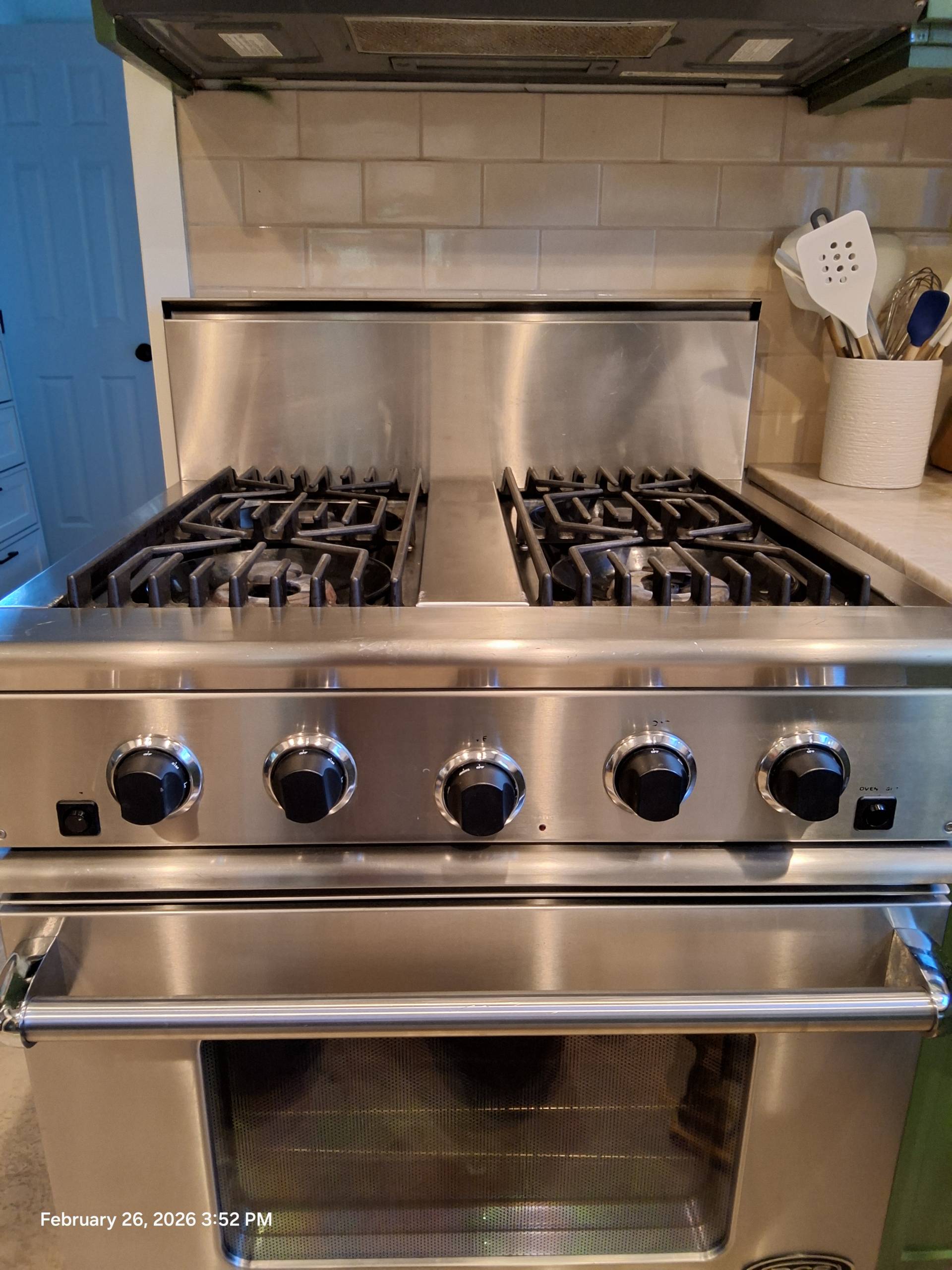
A gas stove is the heart of the kitchen, providing immediate heat and precise control for everything from searing steaks to simmering delicate sauces. However, when you turn the knob and hear a persistent clicking without a flame—or worse, a sudden “whoosh” of gas igniting after a several-second delay—it is more than just a nuisance. Delayed ignition is a significant safety concern and a sign that your appliance requires attention. Understanding the mechanics of your stove and the common culprits behind ignition lag can help you determine whether you are facing a simple cleaning task or a mechanical failure that requires professional intervention.

The Mechanics of Ignition

To diagnose a delay, one must first understand how the process is supposed to work. Most modern gas stoves use an electronic ignition system. When you turn the burner knob to the “Lite” position, you trigger a switch that sends electricity to an igniter (the spark electrode). This creates a high-voltage spark that jumps to the burner head. Simultaneously, a gas valve opens, releasing a precise flow of gas. The spark meets the gas, and the burner should ignite almost instantly. A delay occurs when the “fuel-to-air” ratio is off, or when the spark is too weak or poorly positioned to catch the gas immediately. When ignition is delayed, gas continues to pool around the burner. When it finally catches, the accumulated gas ignites all at once, resulting in a small, startling explosion or a “poof” of flame.

Common Causes of Delayed Ignition

  1. Clogged Burner Ports
The most frequent cause of slow ignition is a buildup of food debris, grease, or boiled-over liquids. Gas exits the burner through small holes or slots called ports. If the ports closest to the igniter are clogged, the gas cannot reach the spark. The gas must then fill the area until it reaches a concentration high enough to catch a spark from a further distance.
  1. Moisture in the Burner Head
If you have recently cleaned your stovetop or if a pot boiled over, moisture may be trapped inside the burner head or around the igniter. Water is an excellent conductor; it can cause the spark to “leak” or short out against the stove base rather than jumping to the burner port. Until the heat from the clicking or the surrounding environment dries the moisture, the stove will struggle to light.
  1. Misaligned or Dirty Igniter
The igniter is the small ceramic nub located next to the burner. Over time, it can become coated in a thin layer of carbon or grease, which acts as an insulator and weakens the spark. Furthermore, if the igniter has been bumped during cleaning, it may be out of alignment. If the spark isn’t jumping directly into the path of the gas flow, ignition will be inconsistent.
  1. Faulty Spark Module or Electrode
If the spark appears weak (orange or yellow instead of a crisp blue) or if the clicking sound is slow and intermittent, the spark module—the “brain” of the ignition system—may be failing. Similarly, the ceramic casing of the electrode can develop hairline cracks. These cracks allow electricity to escape before it reaches the tip, preventing a strong enough spark from forming.
  1. Gas Pressure Issues
While less common, inconsistent gas pressure can cause delays. If the regulator is failing or if there is an issue with the supply line, the gas may not reach the burner with enough force to mix properly with the air for immediate combustion.

Maintenance and Troubleshooting

Before calling a technician, there are several steps you can take to resolve minor issues:
  • Clean the Burner: Remove the burner cap and use a needle or a small paperclip to clear any debris from the ports. Avoid using toothpicks, as they can break off and create a permanent clog.
  • Dry the Components: If moisture is the suspected culprit, allow the burner to air dry completely or use a hairdryer on a low setting to remove trapped water from the igniter area.
  • Scrub the Igniter: Gently clean the spark electrode with a toothbrush and a small amount of rubbing alcohol to remove grease.

When to Call a Professional

If cleaning the burner does not resolve the delay, or if you smell a strong odor of gas that persists even when the stove is off, you must seek professional help. Dealing with gas lines and high-voltage ignition systems carries inherent risks of fire or gas leaks. For residents of San Diego, ensuring your kitchen remains safe and functional is our top priority. A delayed ignition is not just an inconvenience; it is a signal that your appliance needs expert care. Call San Diego Appliance Repair Service today to schedule a diagnostic visit. Our experienced technicians specialize in gas range calibration, spark module replacement, and gas leak detection. Let us restore the safety and efficiency of your kitchen so you can cook with confidence again.   Contact us (619) 719-5005   [email protected]