
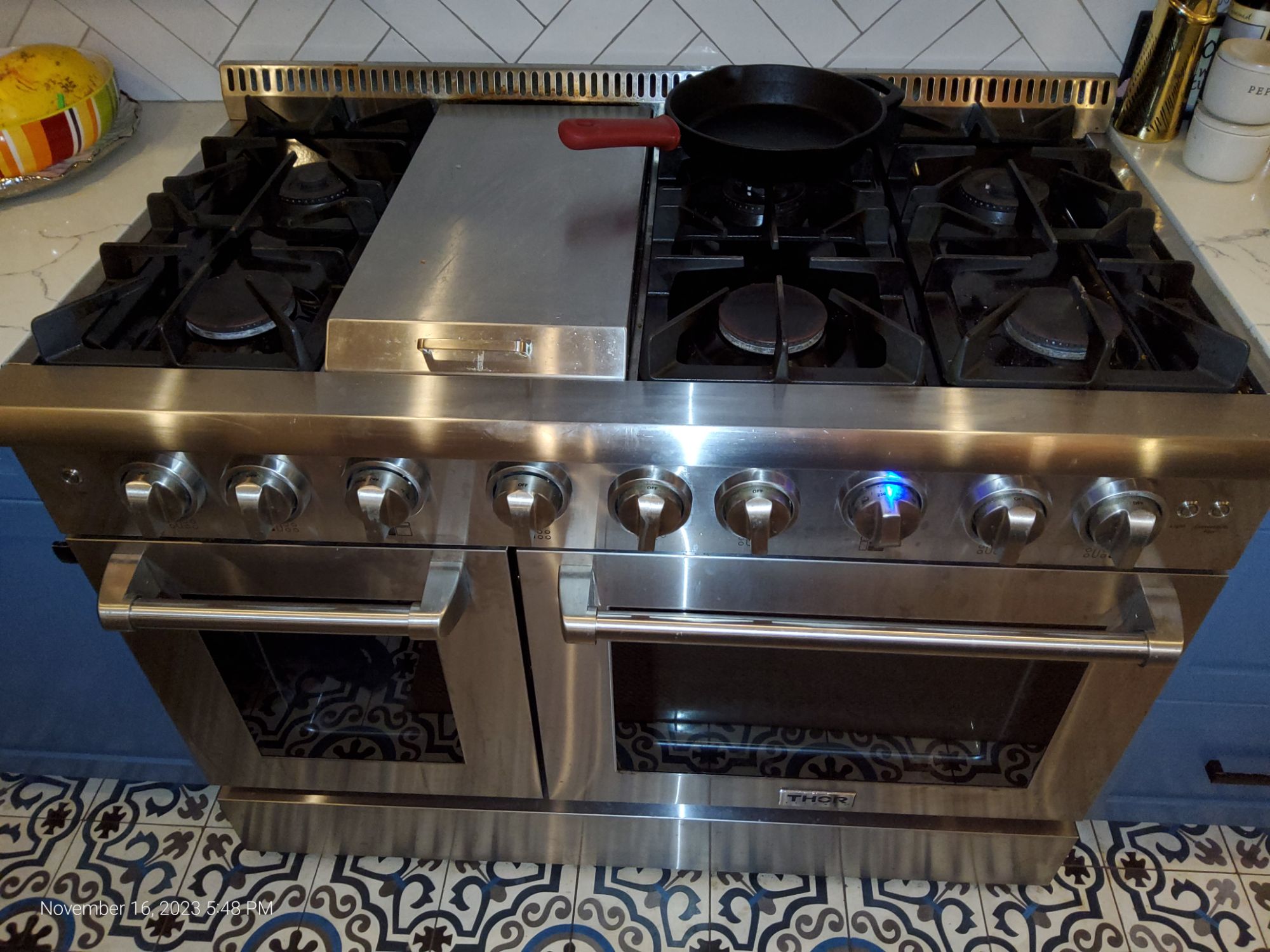
A gas stove is a cornerstone of any kitchen, offering precise heat control for cooking. However, when a burner won’t stay lit after ignition, it can disrupt your cooking routine and pose safety risks. Understanding the common causes of this issue and how to address them is essential for both efficiency and safety in your home.
1. Dirty or Clogged Burner Ports
One of the most frequent causes of a burner that won’t stay lit is clogged burner ports. Over time, food particles, grease, and debris can accumulate in the small holes where the gas exits. This blockage interferes with the proper gas flow, causing the flame to extinguish shortly after ignition. Regular cleaning of burners using a soft brush or a pin to clear debris can prevent this problem.2. Faulty Thermocouple
The thermocouple is a safety device that detects whether the burner flame is lit and allows gas to flow. If the thermocouple is faulty, it may incorrectly sense that the flame is out, cutting off the gas supply and preventing the burner from staying lit. Thermocouples can wear out over time, requiring replacement. Signs of a failing thermocouple include repeated flame outages and difficulty keeping the burner lit.3. Improper Gas Pressure
Gas stoves require the correct gas pressure for safe operation. Low or inconsistent gas pressure can prevent the flame from staying lit. Pressure issues may stem from the gas supply line, regulators, or obstructions in the pipes. If you suspect gas pressure problems, it is crucial to call a certified technician to assess the system, as attempting repairs yourself can be dangerous.4. Moisture in the Burner Area
Spills and routine cleaning can sometimes leave water or moisture in the burner area. Moisture can interfere with ignition and prevent the flame from stabilizing. After cleaning the stove, allow burners to dry completely or wipe them thoroughly to ensure reliable ignition. Persistent moisture issues may indicate deeper problems, such as condensation from a nearby appliance or environmental humidity.5. Faulty Ignition System
Modern gas stoves often use electronic ignition systems. A failing igniter or spark module may ignite the gas but fail to sustain a consistent flame. Symptoms include clicking sounds without a stable flame or the flame extinguishing immediately after lighting. Ignition components can wear out or become misaligned, requiring professional inspection and replacement.Safety Risks of a Burner That Won’t Stay Lit
A burner that fails to stay lit is more than an inconvenience—it can be a safety hazard. Gas that continues to flow without ignition can accumulate in the kitchen, posing a significant risk of fire or explosion. Other risks include accidental burns from repeatedly trying to relight the burner and exposure to gas fumes, which can lead to headaches, dizziness, or more serious health concerns. It is essential to never attempt to force a burner to stay lit if it repeatedly goes out. Instead, turn off the gas and ventilate the area. Avoid using open flames, such as matches or lighters, to test a malfunctioning burner.Preventative Measures
To reduce the likelihood of burner problems, consider the following:- Regular Cleaning: Wipe burners and grates frequently and clear burner ports of debris.
- Routine Maintenance: Schedule periodic inspections by a qualified appliance technician.
- Check Gas Connections: Ensure hoses, valves, and regulators are intact and free from leaks.
- Keep Dry: Ensure the burner area is completely dry after cleaning or spills.