
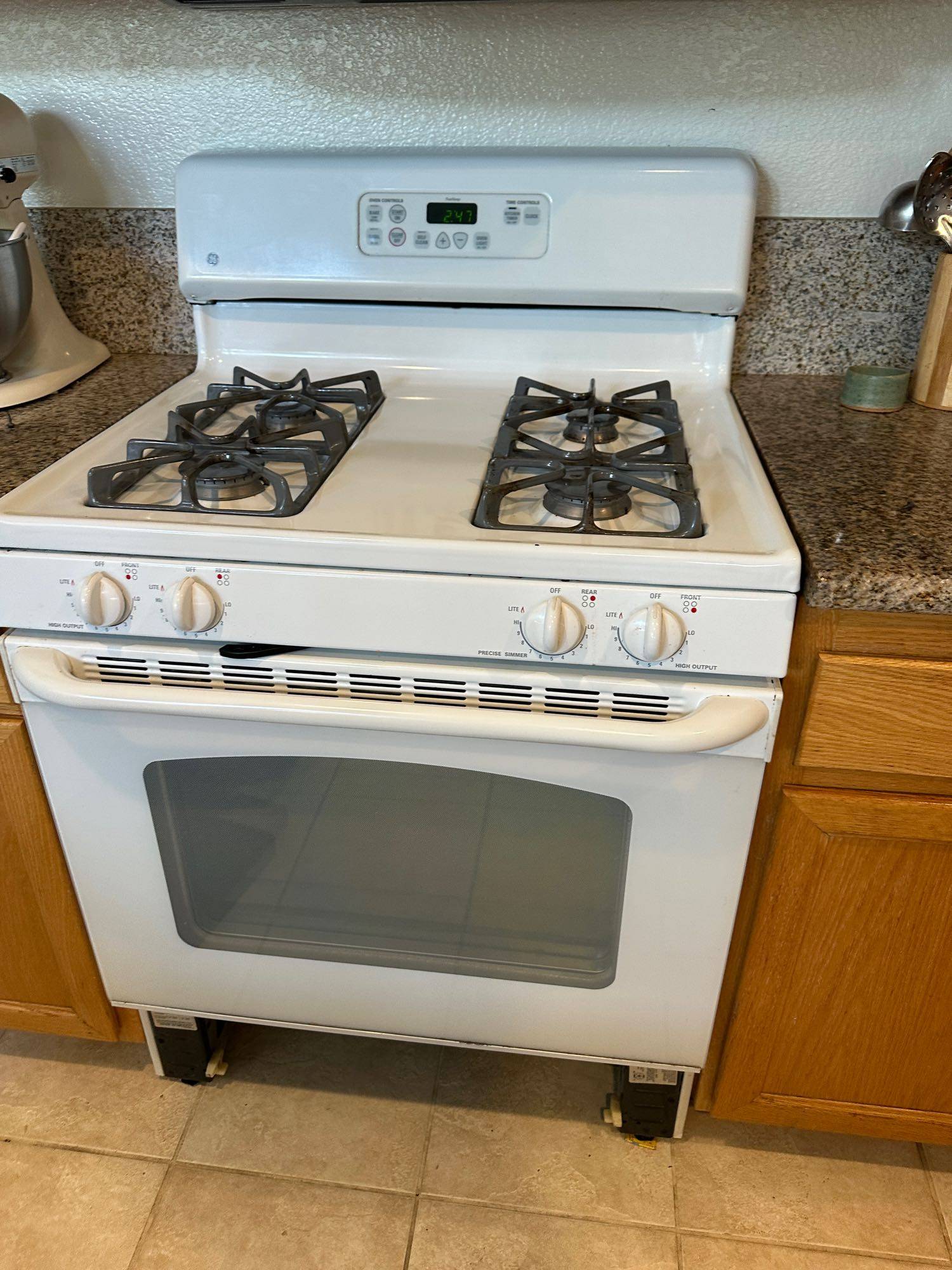
A properly functioning gas stove should produce a steady blue flame. The blue color indicates that the gas is burning efficiently with the correct mixture of fuel and oxygen. If you notice that the burner flame on your gas stove has turned yellow or orange, it is usually a sign that something inside the appliance is not working as it should. While it may seem like a minor issue at first, a yellow flame can indicate incomplete combustion, reduced efficiency, and potential safety concerns.
Understanding what causes this change in flame color can help homeowners respond quickly and prevent further problems.
Why Gas Stove Flames Are Normally Blue
Gas burners are designed to mix natural gas or propane with the right amount of oxygen before ignition. When this mixture burns properly, it produces a clean, hot, blue flame. Blue flames indicate complete combustion, meaning the fuel is being burned efficiently and safely. When the mixture of gas and oxygen becomes unbalanced, the flame can turn yellow. This change often means the burner is not receiving enough oxygen or the gas flow is being disrupted.Dirty or Clogged Burner Ports
One of the most common reasons for a yellow flame is clogged burner ports. Burner ports are the small openings around the burner head where gas exits before ignition. Over time, food debris, grease, cleaning residue, or dust can accumulate in these openings. When the ports become partially blocked, gas cannot flow evenly. This disrupts the air–fuel mixture and leads to incomplete combustion, which produces a yellow flame instead of a blue one. Cleaning the burner components can sometimes restore proper performance, but if debris has built up inside internal channels, deeper cleaning or servicing may be required.Misaligned Burner Caps
Burner caps help distribute gas evenly across the burner head. If the cap is not sitting correctly in its designated position, the gas flow can become uneven. This uneven distribution changes the combustion pattern and may cause yellow flames on one side of the burner. In some cases, the flame may also appear unstable or flicker more than usual. Repositioning the burner cap properly can sometimes solve the issue immediately.Blocked Air Shutters
Inside many gas stoves, there are air shutters that regulate how much oxygen mixes with the gas before combustion. If these shutters become blocked by grease, dust, or corrosion, the burner may not receive enough air. Without adequate oxygen, gas burns inefficiently and produces a yellow flame. This condition can also lead to soot buildup on cookware and burner surfaces. Adjusting or cleaning air shutters usually requires partial disassembly of the appliance, which is why professional service is often recommended.Gas Pressure Problems
In some situations, the color change may be related to gas pressure issues. If the gas pressure is too high or too low, the burner may not produce the correct flame pattern. Pressure problems may originate from a malfunctioning regulator, damaged gas lines, or issues within the appliance’s internal gas control components. These situations should always be inspected by qualified technicians, as improper gas pressure can affect both performance and safety.Moisture or Environmental Factors
Occasionally, temporary yellow flames can appear due to environmental factors such as high humidity or moisture entering the burner assembly. After cooking liquids spill over the burner or after cleaning, moisture may remain inside burner channels. Once the burner dries out and airflow normalizes, the flame usually returns to its normal blue color. However, if the yellow flame persists, it is more likely related to a mechanical or airflow problem inside the stove.Safety Concerns of Yellow Flames
A yellow flame is more than just a cosmetic change. It can signal incomplete combustion, which may produce carbon monoxide in small amounts. Carbon monoxide is a dangerous gas that cannot be seen or smelled. In addition, incomplete combustion can create soot that accumulates on cookware, stove surfaces, and even kitchen walls over time. Ignoring these warning signs may allow the problem to worsen and increase the risk of further damage to the appliance.Signs You Should Not Ignore
If your gas stove burner flame is yellow, pay attention to additional symptoms that may appear:- Soot forming on pots or pans
- Strong or unusual gas odors
- Uneven heating during cooking
- Flickering or unstable flames
- Burners taking longer to heat cookware