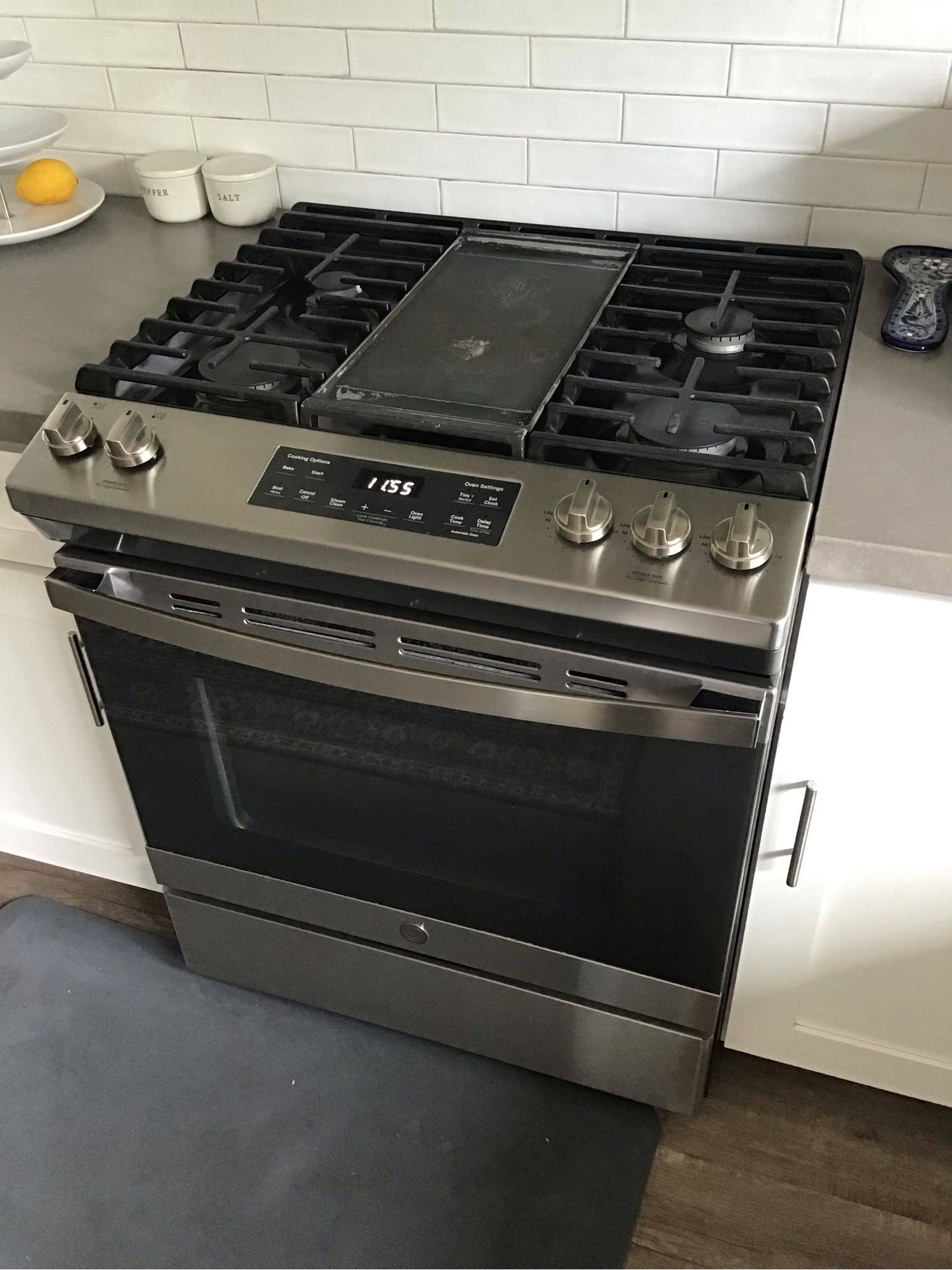
A gas stove burner is designed to provide a stable, consistent flame throughout the entire cooking process. When the flame starts strong but gradually becomes weaker after several minutes of use, it often indicates an underlying problem with gas delivery rather than the burner itself. Although the issue may appear minor at first, a declining flame can affect cooking performance, increase energy consumption, and potentially point to components that require professional attention.
Understanding the possible causes of this symptom can help homeowners recognize when maintenance or repairs are necessary.
Why a Burner Flame Should Remain Consistent
Under normal operating conditions, gas flows from the supply line through the regulator and into the burner at a controlled pressure. The burner ports distribute the gas evenly, producing a stable flame that remains consistent regardless of cooking duration. If the flame weakens after several minutes, it suggests that the stove may not be receiving sufficient gas volume or pressure once the system warms up or operates continuously. Several components can contribute to this problem.Faulty Gas Pressure Regulator
One of the most common causes is a malfunctioning gas pressure regulator. The regulator controls the pressure of incoming gas before it reaches the burners. Over time, internal diaphragms and springs can wear out, reducing their ability to maintain consistent pressure. Early signs of regulator problems include:- Flame starts normally but gradually decreases.
- Burners take longer to heat cookware.
- Multiple burners seem weaker than usual.
- Flame size varies during cooking.
- Difficulty maintaining high heat settings.
Partial Gas Line Restrictions
A restriction somewhere in the gas supply path can also reduce burner performance. Gas lines may accumulate debris, corrosion particles, or contaminants that partially obstruct flow. While enough gas may pass through initially, prolonged demand can expose the limitation, leading to reduced burner output. Potential restriction points include:- Flexible gas connectors.
- Shutoff valves.
- Internal stove gas tubing.
- Burner supply channels.
- Connection fittings.
Clogged Burner Components
Although gas supply issues are common, burner assembly problems can create similar symptoms. Food residue, grease buildup, and cooking debris can block burner ports. When only part of the burner receives adequate gas, the flame may appear weaker or become uneven as cooking continues. Common symptoms include:- Uneven flame distribution.
- Yellow or orange flame tips.
- Delayed ignition.
- Flame gaps around the burner ring.
- Reduced heating performance.
Problems with the Appliance Gas Valve
The stove’s internal gas valve regulates fuel flow to individual burners. As components wear, internal passages may become restricted or fail to open completely. In some cases, heat generated during cooking causes expansion within worn valve assemblies, further reducing gas flow. A defective gas valve may produce:- Weak flames on specific burners.
- Inconsistent heat output.
- Difficulty adjusting flame size.
- Intermittent performance changes.
- Reduced burner responsiveness.
Supply Issues from the Main Gas Source
Sometimes the stove itself is not the problem. Homes connected to natural gas systems can occasionally experience pressure fluctuations. For propane systems, low tank levels or failing tank regulators may reduce available pressure. Possible indicators include:- Multiple gas appliances affected.
- Weak performance throughout the house.
- Inconsistent water heater operation.
- Furnace performance issues.
- Simultaneous burner weakness.
Heat-Related Component Failures
Certain stove components may perform normally when cold but develop issues as temperatures increase. Prolonged cooking generates heat that can affect:- Pressure regulators.
- Internal valves.
- Safety mechanisms.
- Flexible gas connectors.
- Electronic control systems.
Risks of Ignoring a Weakening Flame
Many homeowners continue using the stove because the burner still functions. However, declining flame performance can create several issues. Potential consequences include:- Longer cooking times.
- Uneven food preparation.
- Increased energy consumption.
- Premature wear on appliance components.
- Progressive gas delivery failures.
Warning Signs That Require Professional Service
Professional inspection is recommended if you notice:- Flame size decreases consistently during cooking.
- Burners struggle to maintain high heat.
- Multiple burners show the same behavior.
- Flames appear unusually yellow or orange.
- Gas odors are present.
- Burner performance changes suddenly.
Professional Diagnosis and Repair
Appliance technicians use specialized tools to evaluate:- Gas pressure levels.
- Regulator performance.
- Burner operation.
- Valve functionality.
- Gas line integrity.
- Air-to-fuel ratios.