
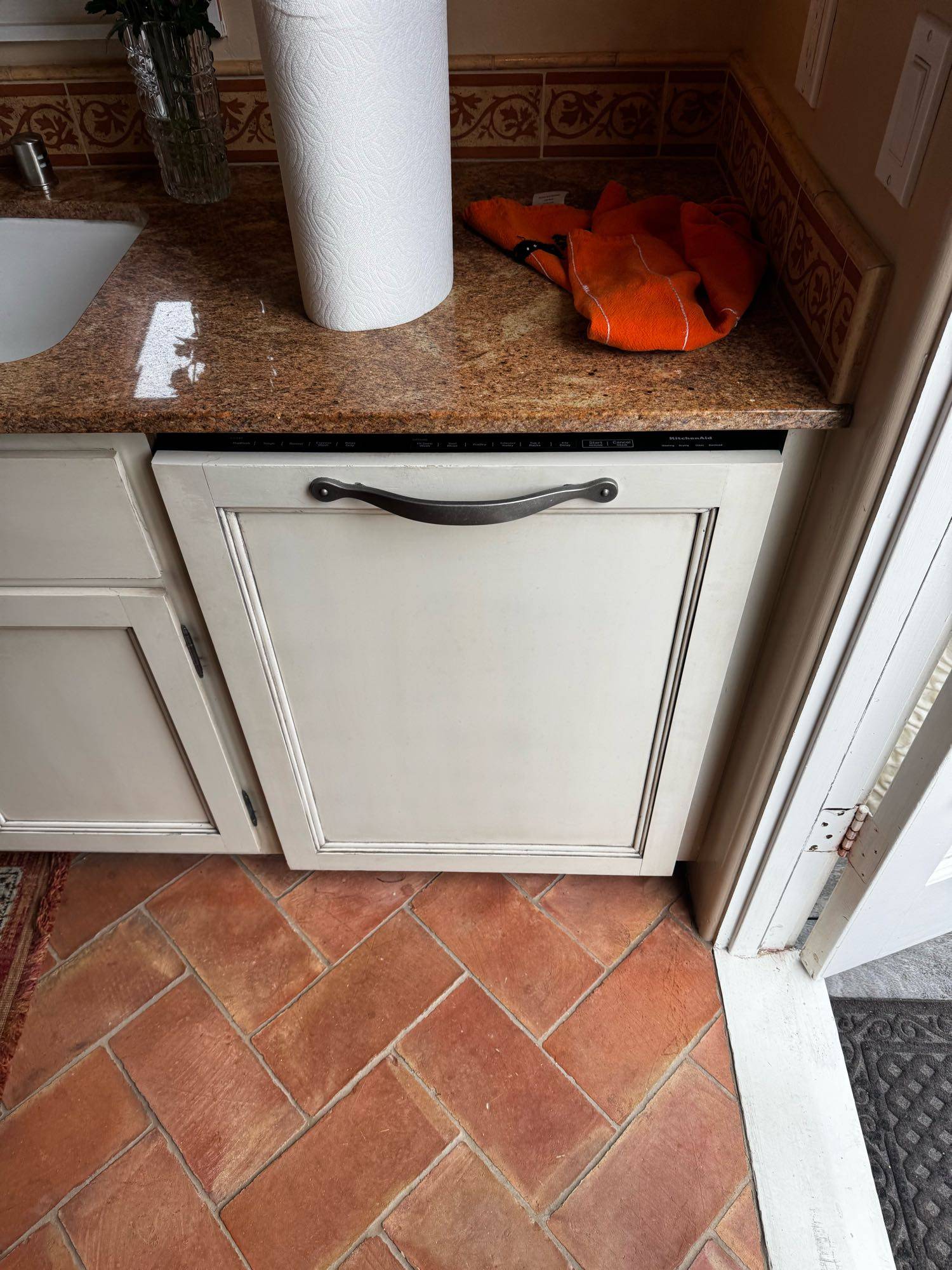
A dishwasher that starts normally but shuts off just minutes into the cycle can be frustrating and confusing. At first glance, everything seems fine—you hear water filling, maybe even the spray arms begin working—then suddenly, it stops. This issue can stem from several internal or external factors, and understanding the possible causes can help you determine whether it’s something simple or a sign of a deeper problem.
One of the most common reasons for this issue is a faulty door latch or door switch. Dishwashers are designed with safety mechanisms that prevent operation if the door is not securely closed. If the latch is worn out or the switch is malfunctioning, the appliance may start the cycle but then stop once it fails to detect a proper seal. Even slight misalignment can interrupt the cycle.
Another likely cause is a problem with the water supply. If the dishwasher doesn’t receive enough water, it may begin the cycle but stop shortly after. This can happen due to a clogged inlet valve, low water pressure, or a kinked supply hose. Without the correct water level, the system cannot proceed safely and will shut down to prevent damage.
A malfunctioning float switch could also be responsible. The float switch monitors the water level inside the dishwasher. If it gets stuck in the “full” position due to debris or mineral buildup, the machine may think it has enough water and stop filling prematurely. As a result, the cycle halts unexpectedly.
Electronic control board issues are another common culprit. Modern dishwashers rely on control boards to manage timing, temperature, and cycle progression. If there’s a glitch, short circuit, or damaged component, the cycle may start but fail to continue. In some cases, resetting the dishwasher might temporarily resolve the issue, but persistent problems usually indicate the need for professional repair.
Thermal fuse failure is another factor to consider. The thermal fuse protects the dishwasher from overheating. If it detects excessive heat, it will cut power to prevent damage. However, if the fuse itself is faulty, it may trip too early, causing the cycle to stop after only a few minutes.
Drainage issues can also interrupt a cycle. If the dishwasher cannot properly drain water due to a clogged filter, blocked drain hose, or faulty drain pump, it may stop mid-cycle. Some models are designed to pause operation when drainage problems are detected to avoid flooding or internal damage.
Additionally, problems with sensors—such as turbidity or temperature sensors—can lead to cycle interruptions. These sensors provide feedback to the control board. If they send incorrect data, the dishwasher may shut down because it cannot determine the correct next step.
Power supply problems should not be overlooked. A loose connection, faulty outlet, or damaged power cord can cause intermittent power loss. This may appear as the dishwasher stopping randomly, even though the root cause is external.
While some minor issues like cleaning filters or checking the door alignment can be handled at home, many of these problems require proper diagnosis and repair tools. Attempting to fix electrical or internal components without experience can lead to further damage or safety risks.
If your dishwasher consistently stops shortly after starting, it’s best not to ignore the warning signs. What begins as a minor inconvenience can develop into a more serious and costly repair if left unresolved.
For fast, reliable, and professional diagnosis, contact San Diego Appliance Repair Service. Their experienced technicians can quickly identify the cause and restore your dishwasher to full working condition, saving you time and preventing further damage.
Contact us
(619) 719-5005
[email protected]