
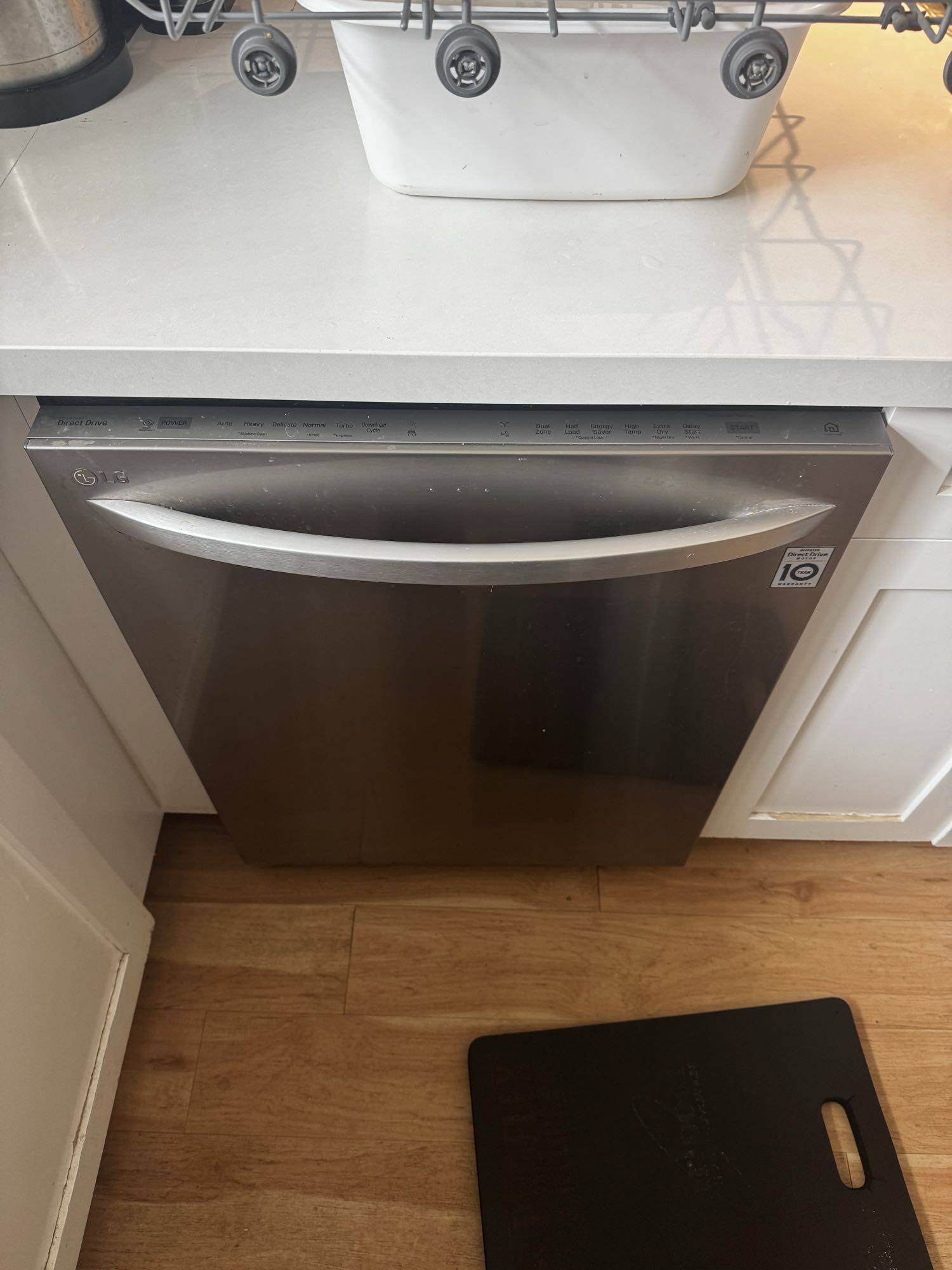
A dishwasher naturally generates heat during the drying cycle. Hot air helps remove moisture from dishes, glasses, and utensils, leaving them ready to use or put away. However, if you notice a strong hot smell, a burning odor, or excessive heat coming from the appliance, it may indicate that something inside the unit is overheating.
While some warmth is normal, unusual odors or excessive temperatures should not be ignored. Overheating components can lead to poor performance, damaged parts, and potentially costly repairs if the problem is left unresolved.
How the Drying Cycle Works
Most dishwashers use a heating element located at the bottom of the tub to raise the temperature during the drying phase. Some modern models also use condensation drying systems, fans, or a combination of heating methods to improve efficiency. During normal operation, the appliance becomes warm, but the heat should remain controlled. If the dishwasher smells unusually hot, there may be an issue with one of the components responsible for regulating temperature.Faulty Heating Element
One of the most common causes of overheating is a malfunctioning heating element. The heating element is designed to heat water during wash cycles and generate warmth during drying. Over time, the element can become damaged, develop hot spots, or remain energized longer than intended. Signs of a heating element problem may include:- Strong hot or burning smells
- Plastic items showing signs of warping
- Excessive heat inside the dishwasher
- Dishes becoming unusually hot after the cycle ends
Malfunctioning Thermostat
The thermostat monitors internal temperatures and helps ensure the dishwasher does not exceed safe operating limits. If the thermostat fails, it may incorrectly report temperatures to the control system. As a result, the heating element may continue operating longer than necessary. Common symptoms include:- Overly hot drying cycles
- Repeated overheating
- Inconsistent drying performance
- Error codes related to temperature control
Defective High-Limit Thermostat
Many dishwashers contain a secondary safety device known as a high-limit thermostat. This component acts as a backup protection system and shuts off power to the heater if temperatures become dangerously high. If the high-limit thermostat fails, the dishwasher may lose an important layer of protection against overheating. Professional testing is typically required to determine whether this component is functioning correctly.Control Board Problems
The electronic control board manages nearly every dishwasher function, including heating and drying operations. When the control board develops faults, it may send incorrect signals to the heating system. The heating element could remain active for too long or activate at inappropriate times during the cycle. Control board issues may also cause:- Extended cycle times
- Unusual operating behavior
- Random error messages
- Excessive heat generation
Blocked Ventilation System
Many dishwashers use vents to release heat and moisture during drying. If these vents become blocked by debris, grease buildup, or damaged vent assemblies, heat can become trapped inside the appliance. This trapped heat may create stronger odors and cause components to operate at higher temperatures. A blocked vent may also result in:- Damp dishes after drying
- Excessive steam when opening the door
- Increased internal temperatures
- Longer drying cycles
Melted Plastic Items
Sometimes the source of the smell is not a failing dishwasher component at all. Plastic containers, lids, utensils, or lightweight kitchen items placed too close to the heating element can begin to soften or melt during the drying cycle. Even minor melting can produce a noticeable burning odor. To avoid this issue:- Place plastic items on the upper rack whenever possible
- Follow manufacturer loading recommendations
- Avoid overloading the dishwasher
Wiring and Electrical Issues
Damaged wiring can also create overheating conditions. Loose electrical connections increase resistance and generate heat. Over time, this may produce burning odors or intermittent performance issues. Potential warning signs include:- Burning smells from beneath the dishwasher
- Tripped breakers
- Flickering control panel displays
- Intermittent operation