
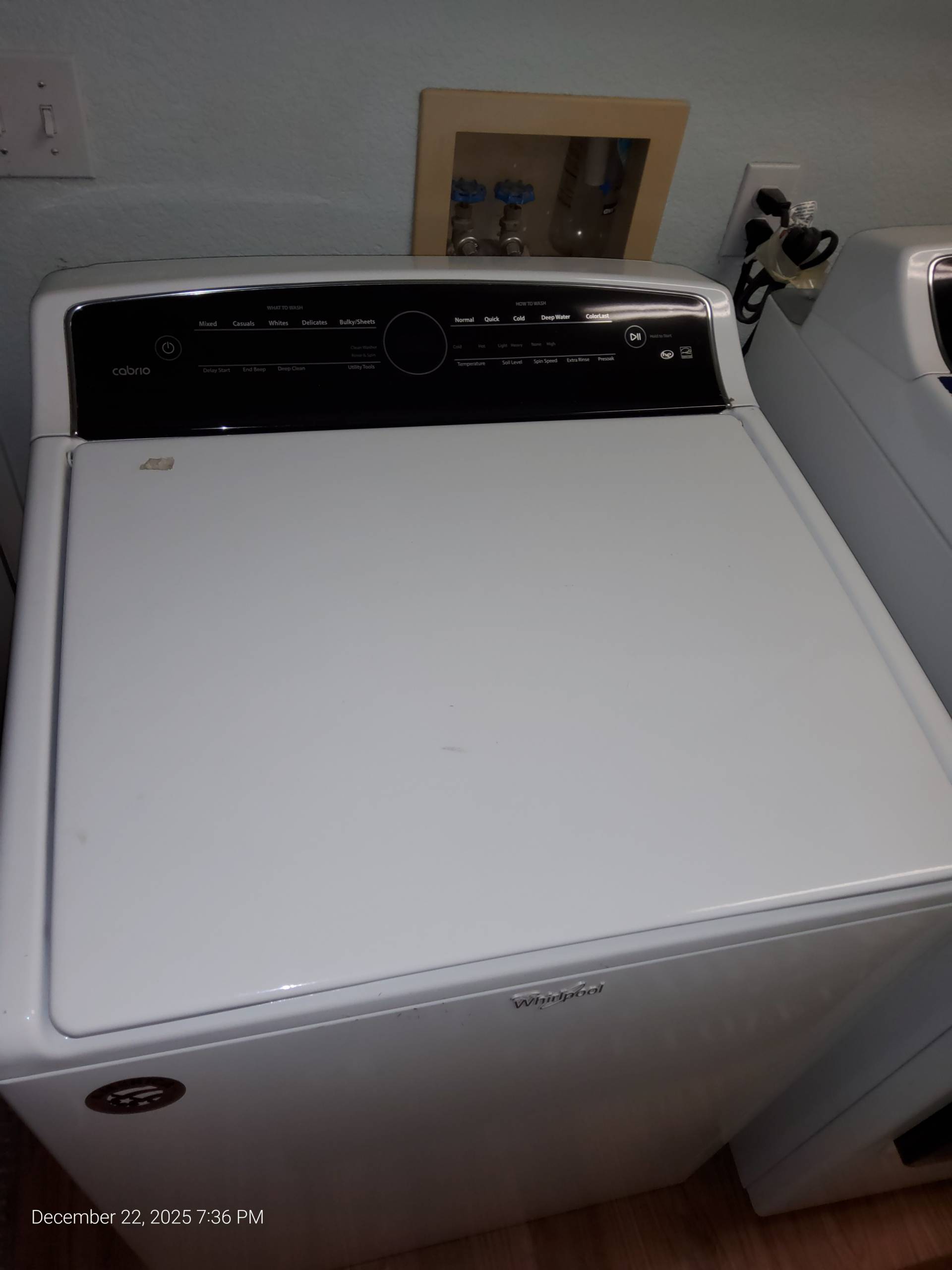
It’s easy to assume that as long as your washing machine runs on schedule and completes cycles at its usual speed, everything is fine. Yet, subtle shifts in cycle rhythm — like pauses, uneven spinning, or variations in drum movement — can indicate issues that shouldn’t be ignored. While the machine may appear to work normally on the surface, these minor inconsistencies can be early warnings of mechanical or electrical problems.
Understanding Cycle Rhythm
A washing machine’s cycle rhythm is the consistent pattern in which it fills, agitates, drains, and spins. Normally, this rhythm is smooth and predictable. When it becomes irregular, you may notice that the washer hesitates before spinning, agitates unevenly, or seems to complete some stages faster than others. Even if the overall duration of a cycle remains unchanged, these irregularities can signal that internal components are under strain.
Common Causes of Irregular Rhythm
- Worn Drive Belt or Motor Coupling The drive belt or motor coupling transfers power from the motor to the drum. Over time, belts can stretch, fray, or loosen, causing the drum to rotate inconsistently. Similarly, a worn motor coupling may struggle to maintain smooth motion, resulting in uneven agitation.
- Imbalanced Load Detection Malfunction Modern washers have sensors that detect unbalanced loads. If these sensors malfunction, the machine may compensate incorrectly, pausing or adjusting the spin speed unexpectedly. Even if the overall cycle time remains normal, this can produce noticeable rhythm irregularities.
- Faulty Bearings or Suspension Bearings and suspension springs support the drum during operation. Worn bearings may create resistance during rotation, while weakened suspension can cause the drum to shift excessively. These issues often produce irregular movement that affects the flow of the cycle.
- Clogged or Partially Blocked Pump A partially clogged drain pump may not affect the speed of the wash but can delay drainage intermittently. This leads to pauses in the cycle that feel irregular, even if the machine resumes normal timing once the blockage clears.
- Increased Wear on Components: Uneven drum movement or repeated pauses can strain belts, bearings, and motor couplings, shortening their lifespan.
- Potential Water Damage: Irregular drainage or agitation may lead to leaks or overflows.
- Reduced Cleaning Performance: If the drum isn’t moving consistently, clothes may not receive the proper agitation or rinse cycles, leaving detergent residue or unevenly washed laundry.
- Regularly Clean the Drum and Drain Pump: Debris or lint buildup can interfere with rotation and drainage.
- Avoid Overloading: Heavy or uneven loads place extra strain on drum bearings and suspension systems.
- Check Leveling: Make sure your machine sits evenly to reduce stress on mechanical components.
- Schedule Professional Inspections: Annual or biannual checks by a certified service center can catch wear and tear before it escalates.