
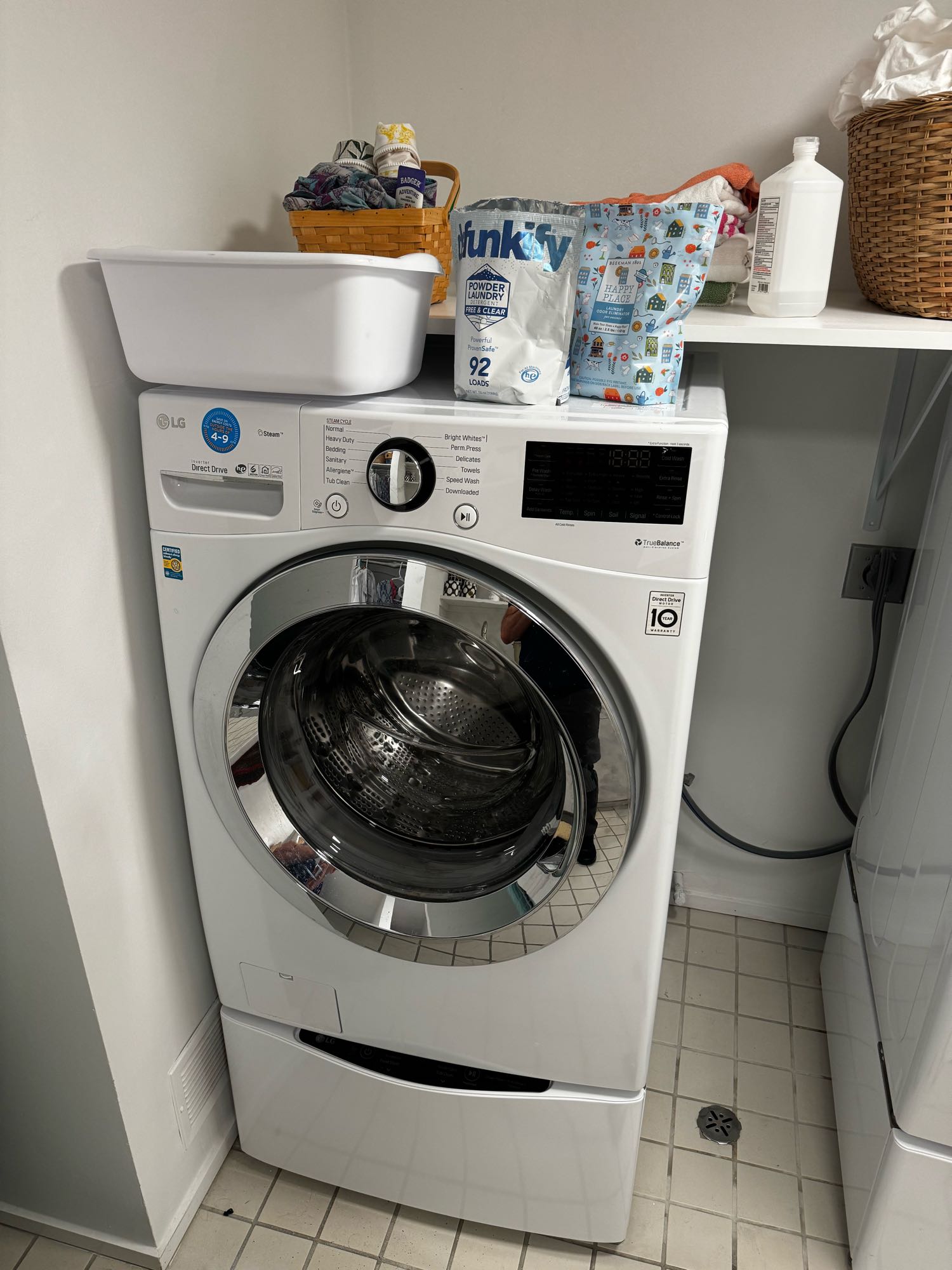
A washing machine should rotate smoothly throughout every stage of the cycle. When the drum suddenly begins spinning unevenly during the rinse cycle, it usually points to a developing internal problem rather than a simple imbalance. Many homeowners notice the machine shaking harder than usual, pausing repeatedly, producing thumping noises, or struggling to distribute clothing evenly before spinning again.
While a single overloaded wash can occasionally cause instability, repeated uneven spinning often indicates worn suspension components or problems with the load sensing system. Ignoring these symptoms may place additional stress on the drum, bearings, motor, and internal frame.
Why the Rinse Cycle Often Reveals the Problem
The rinse cycle places different demands on the washing machine compared to the wash cycle. During rinsing, the machine drains and refills multiple times while gradually increasing drum speed to prepare for spinning. At this stage, the control board carefully monitors weight distribution and movement inside the drum. If the washer detects excessive imbalance, it may:- Slow down unexpectedly
- Stop and restart repeatedly
- Shake violently
- Spin unevenly
- Leave clothes wetter than normal
- Display imbalance or load-related error codes
Worn Suspension Rods or Shock Absorbers
One of the most common causes of uneven drum spinning is deterioration of the suspension system. Front-load washers typically use shock absorbers, while many top-load models rely on suspension rods and dampening springs. These parts stabilize the tub during high-speed movement. Over time, they weaken due to constant vibration, heavy loads, and regular use. When suspension components wear out, the drum may:- Bounce excessively
- Lean to one side
- Strike the cabinet walls
- Fail to stabilize during rinse and spin transitions
Faulty Load Sensor Problems
Modern washing machines rely on load sensors to determine how clothing is distributed inside the drum. These sensors help the control board adjust spin speed and water levels. If the load sensor malfunctions, the washer may incorrectly interpret drum movement. As a result, the machine can:- Spin unevenly even with balanced loads
- Pause repeatedly trying to rebalance
- Reduce spin speed unnecessarily
- Miscalculate load weight
- End cycles prematurely
Unbalanced Loads Can Accelerate Wear
Although internal problems are common, loading habits also matter. Washing bulky items such as blankets, rugs, or heavy towels can create severe imbalance inside the drum. Repeated stress from uneven loads gradually weakens suspension components and affects sensor accuracy. To reduce strain on the machine:- Avoid washing single heavy items alone
- Distribute laundry evenly
- Do not overload the drum
- Use appropriate cycle settings for bulky fabrics
- Check pockets for heavy objects
Damaged Drum Support Components
In some cases, the issue extends beyond suspension parts. A damaged drum spider arm, worn bearings, or loose tub supports can also create unstable spinning behavior. These problems often produce additional symptoms such as:- Grinding noises
- Metal scraping sounds
- Drum wobbling by hand
- Water leaks near the rear bearing area
- Excessive vibration during all spin speeds
Floor and Installation Factors
Improper installation may worsen spinning instability. Even a healthy washer can struggle if:- The floor is uneven
- Leveling legs are loose
- Anti-vibration pads are missing
- The machine sits on weak flooring
Electronic Control Board Issues
The control board coordinates drum speed, load balancing, water levels, and motor activity. If the board receives inaccurate information from sensors or develops communication faults, the washer may behave unpredictably during rinsing. Potential signs of control board problems include:- Random cycle interruptions
- Inconsistent spin speeds
- Failure to complete rinse cycles
- Error codes appearing intermittently
- Washer restarting portions of the cycle
Why Early Repairs Matter
A washing machine that spins unevenly places constant stress on nearly every moving component. What begins as a minor suspension issue can eventually damage:- Bearings
- Drum supports
- Drive motors
- Tub assemblies
- Electronic controls
Professional Diagnosis Makes the Difference
Uneven drum spinning during the rinse cycle can result from several overlapping causes. Suspension wear, sensor faults, electronic issues, and drum support damage may produce similar symptoms. Accurate diagnosis requires inspection of both mechanical and electronic systems. Professional technicians can:- Test suspension stability
- Inspect drum movement
- Diagnose sensor communication faults
- Check bearings and support assemblies
- Evaluate control board performance
- Restore safe spinning operation