
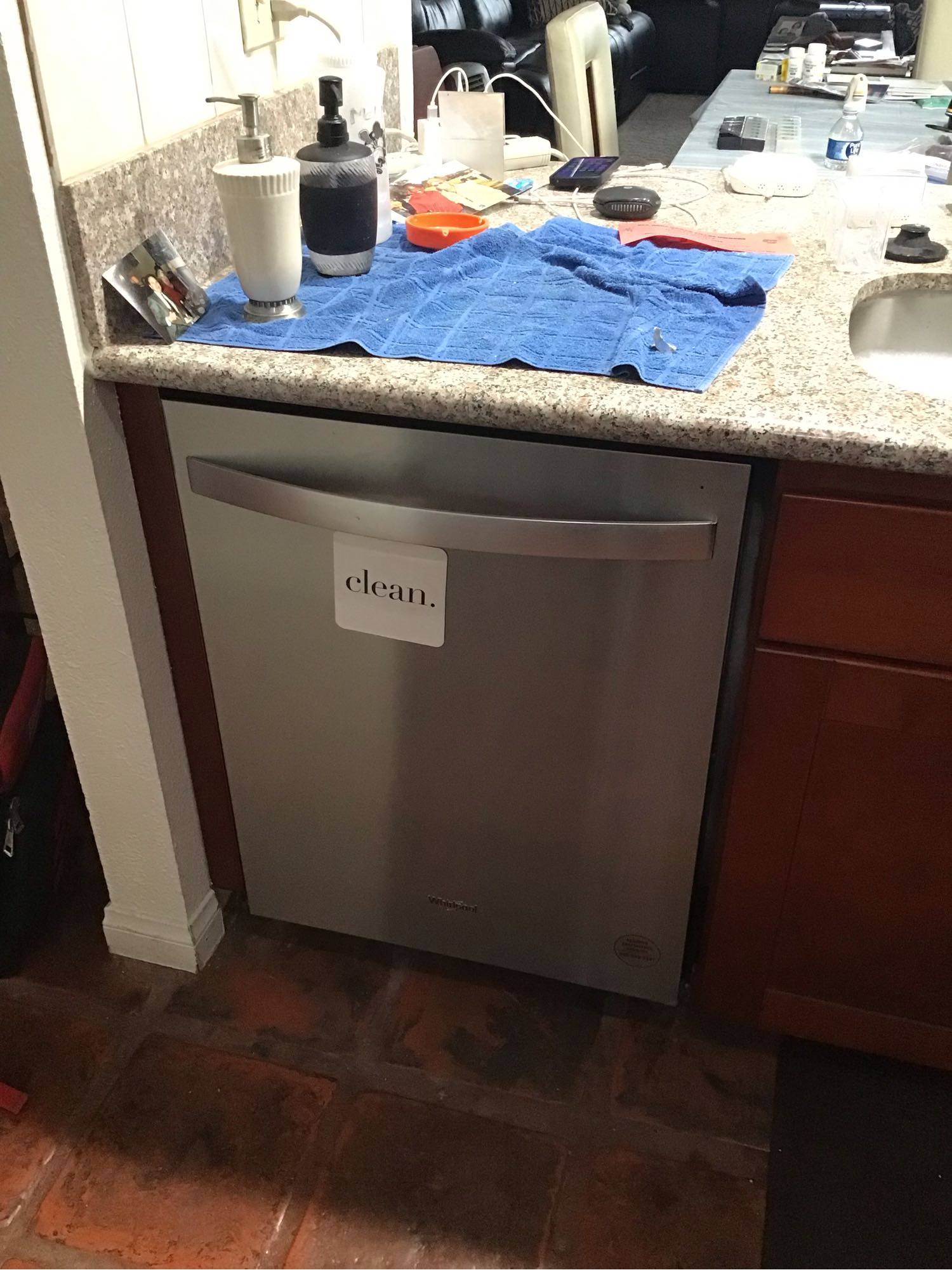
A dishwasher naturally generates heat while cleaning dishes. Hot water, steam, and drying cycles all contribute to elevated temperatures inside the appliance. However, if the dishwasher door feels unusually hot during operation, it may indicate a problem that should not be ignored.
While some warmth is normal, excessive heat on the exterior door can signal issues with the ventilation system, heating components, temperature controls, or airflow management. Understanding the possible causes can help homeowners determine whether a simple adjustment is needed or if professional service is required.
How Much Heat Is Normal?
During a wash cycle, especially during the drying phase, the dishwasher heats water to high temperatures to improve cleaning performance and sanitation. The interior can become extremely hot, and some of that heat naturally transfers to the door. Modern dishwashers are designed with insulation that helps contain heat and improve energy efficiency. As a result, the exterior door may feel warm but generally should not become excessively hot to the touch. If the door feels significantly hotter than usual or if surrounding cabinets and countertops become noticeably warm, further investigation may be necessary.Ventilation System Problems
One of the most common causes of excessive door heat is a malfunctioning ventilation system. Many dishwashers use vents to release steam and excess heat during specific portions of the wash and drying cycles. These vents help regulate internal temperatures and prevent heat buildup. If the vent becomes blocked, damaged, or fails to open properly, hot air may become trapped inside the appliance. As pressure and temperature increase, more heat transfers through the door panel, making it feel unusually hot. Signs of ventilation issues include:- Excessive steam when opening the door
- Longer drying times
- Water droplets remaining on dishes
- Increased heat on the door surface
- Moisture collecting around the dishwasher
Faulty Heating Element
The heating element is responsible for raising water temperatures and assisting with dish drying. If this component develops an electrical fault, it may remain energized longer than intended. Excessive heating can cause temperatures inside the dishwasher to rise beyond normal operating levels. In some cases, dishes may feel extremely hot after the cycle ends. Plastic items may become warped, and the exterior door can become noticeably hotter than usual. A defective heating element should be inspected and replaced by a qualified appliance technician to prevent further damage.Temperature Sensor Malfunctions
Dishwashers rely on temperature sensors and thermostats to monitor internal conditions throughout the cycle. When these sensors provide inaccurate readings, the control board may continue heating water or operating the drying system longer than necessary. The appliance essentially believes temperatures are lower than they actually are. As a result, heat accumulates inside the unit and transfers to the door. Common symptoms of sensor-related issues include:- Cycles running longer than expected
- Excessively hot dishes
- Unusually hot door surfaces
- Inconsistent cleaning performance
- Repeated heating phases
Problems with the Control Board
The electronic control board manages nearly every dishwasher function, including heating and ventilation. If the control board develops a fault, it may send incorrect commands to the heating system. This can cause heating components to remain active for extended periods or operate at inappropriate times. Control board failures often produce inconsistent symptoms that may appear intermittently before becoming more severe. Because control board diagnostics require specialized knowledge and equipment, professional inspection is typically recommended.Blocked Airflow Around the Dishwasher
In some installations, restricted airflow around the dishwasher can contribute to heat retention. Kitchen renovations, improperly installed insulation, or tightly enclosed cabinetry may prevent heat from dissipating efficiently. Although the dishwasher itself may be functioning normally, poor ventilation around the appliance can cause external surfaces to become hotter than expected. Checking for adequate clearance around the dishwasher and ensuring ventilation pathways remain unobstructed can sometimes improve heat management.Damaged Door Insulation
Dishwasher doors contain insulation designed to reduce heat transfer and improve efficiency. Over time, insulation materials may deteriorate due to age, moisture exposure, or repeated heating cycles. When insulation loses effectiveness, more heat escapes through the door. A damaged door seal can produce similar symptoms by allowing hot air and steam to leak during operation. Inspection of the door assembly can reveal whether insulation or sealing components require replacement.When to Schedule Service
Occasional warmth is expected during dishwasher operation. However, service should be considered if:- The door becomes too hot to touch comfortably
- Heat levels have increased noticeably over time
- Steam escapes from unexpected areas
- Drying performance has changed
- Wash cycles seem excessively hot
- Plastic items are being damaged
- Water or moisture appears around the appliance