
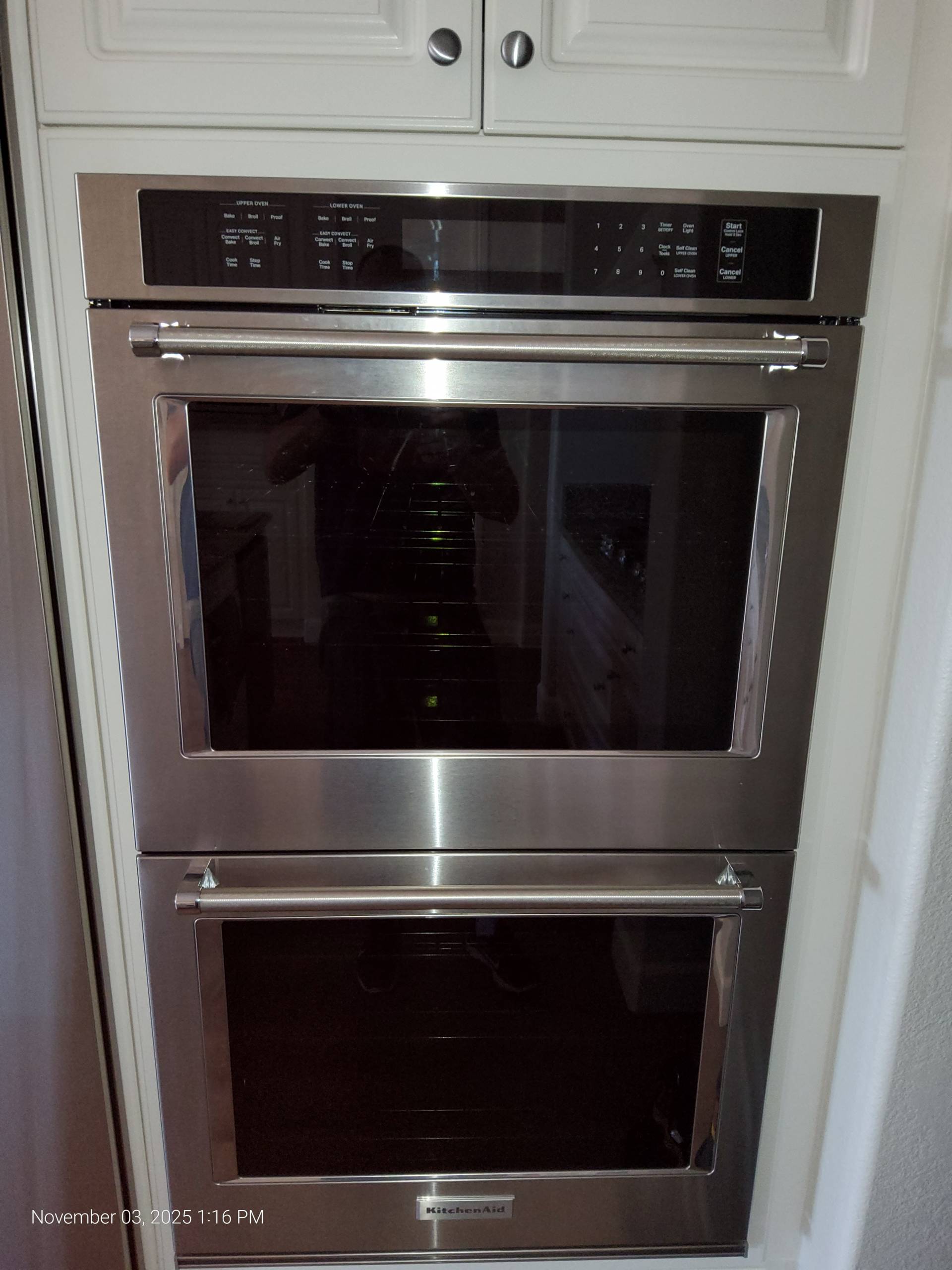
You preheat your oven, prepare your favorite dish, and set everything inside expecting a perfect result. But instead of evenly baked food, you pull out a tray with burnt edges, raw centers, or inconsistent browning. At first, you blame the recipe. Then you blame yourself. But in most cases, uneven cooking has little to do with your skills and everything to do with a failing part inside your oven: the convection fan.
The convection fan is the quiet hero of modern ovens. Its job is simple but essential — circulate hot air throughout the cavity so your food cooks uniformly at all levels. When it is functioning correctly, the oven eliminates hot and cold spots, stabilizes temperature quickly after opening the door, and reduces overall cooking time. But when it begins to slow down, get blocked, or fail completely, the oven still heats up, yet the temperature inside becomes unpredictable and uneven. That is why many homeowners misdiagnose the problem for months before realizing the fan is the root cause.
A failing fan often gives subtle warnings long before the oven stops baking properly. One of the earliest signs is longer cooking times. You may notice that dishes that used to take 20 minutes now require 30 or more, even though the temperature setting hasn’t changed. Another common symptom is inconsistency: some meals come out fine, while others are noticeably undercooked or dried out. You may also find yourself rotating trays more frequently or switching their position inside the oven just to get a balanced result. These small inconveniences usually signal that the air circulation inside the oven is no longer efficient.
The fan motor itself is often the source of the issue. Over time, grease buildup, heat exposure, and normal wear cause the motor to weaken. A weak motor still spins, but not quickly enough to push hot air throughout the oven. In some cases, the motor overheats and shuts off intermittently, leaving food exposed to fluctuating temperatures. Another problem may be damaged fan blades. If one blade bends or breaks, airflow patterns inside the oven become disrupted, leading to uneven heating zones.
Obstructions can also cause trouble. Food debris, foil, or grease buildup around the fan cover can block airflow, forcing the motor to work harder. As resistance increases, the motor deteriorates even faster. Some homeowners unknowingly worsen this issue by lining the oven interior with aluminum foil, which can disrupt airflow and trap heat in undesirable areas.
Thermostat inaccuracy often accompanies fan failure. Because the thermostat senses temperature in one area of the oven, it may report that the oven is hot enough even when other zones remain significantly cooler. The oven therefore stops heating, believing it has reached the correct temperature. Your food, however, bakes unevenly due to stagnant air and temperature imbalance.
Another overlooked factor is the heating element dedicated to the convection mode. In many ovens, the convection fan works in combination with a rear heating element. If that element burns out, the fan will still spin, but instead of pushing hot air, it circulates lukewarm air. This leads to poor browning, long baking times, and unpredictable results. Many owners assume their oven is simply old or temperamental, not realizing the fix is far simpler and more affordable than they think.
Ignoring fan problems can lead to more costly repairs down the road. When the motor struggles, it draws more power and generates more heat, eventually damaging nearby wiring or causing the protective thermal fuse to blow. In rare cases, overheating components can even pose a safety risk. The longer the issue persists, the more likely other parts of the oven will suffer premature wear.
A proper diagnosis requires a trained technician who can test the motor, inspect wiring, check airflow patterns, and evaluate the heating elements. While some homeowners attempt DIY fixes, ovens involve high heat, electrical components, and delicate internal parts. A simple mistake can turn a minor repair into an expensive replacement.
If you notice any of the warning signs — inconsistent baking, burnt edges, cold spots, longer cooking times, or a fan that sounds louder or quieter than usual — it’s time to bring in an expert. Timely repair not only improves cooking performance but also extends the life of your appliance and ensures safety in your kitchen.
If your oven heats up but refuses to cook evenly, do not wait for the problem to worsen. A failing convection fan is one of the most common and most overlooked causes of uneven baking. Professional evaluation will save you time, frustration, and potentially costly repairs in the future.
For fast and reliable diagnostics, contact San Diego Appliance Repair Service. Their experienced specialists can restore your oven’s performance quickly and safely so every meal comes out exactly as it should.
Contact us
(619) 719-5005
[email protected]