
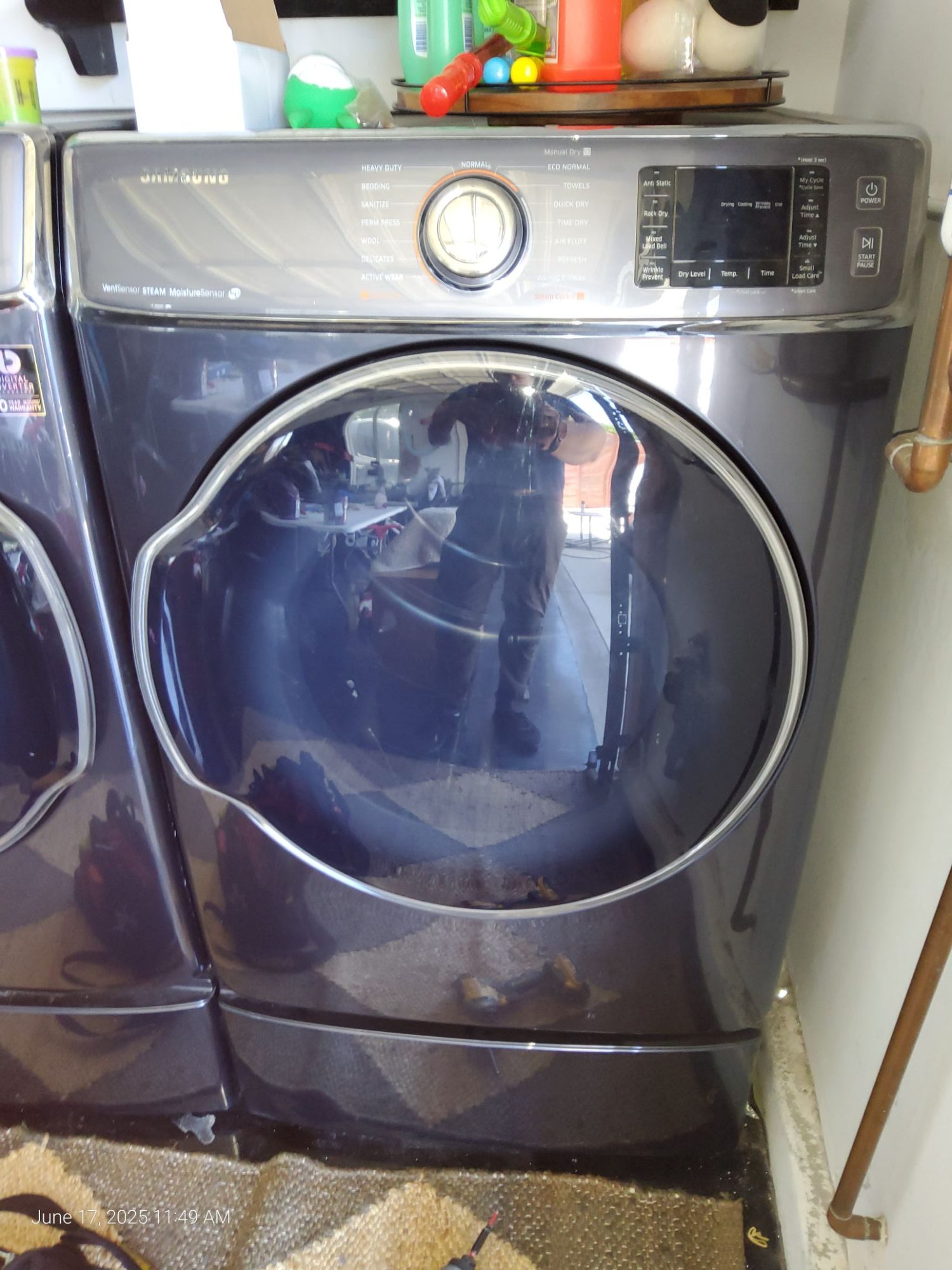
Most homeowners are familiar with the normal sounds their washing machine makes. A steady hum during washing, a faster rhythm during spin, and a brief pause between cycles are all part of normal operation. But when your washer suddenly starts sounding heavier—deeper thumps, dull grinding, or a strained, overloaded noise—it’s more than just an annoyance. It’s often an early warning sign of a serious mechanical problem developing inside the machine.
Ignoring this change in sound can turn a manageable repair into an expensive breakdown.
What Does a “Heavier” Washer Sound Mean?
A heavier sound usually means the internal components are no longer moving freely or evenly. Instead of smooth rotation, parts are struggling under increased resistance or imbalance. This doesn’t always happen overnight. In many cases, the washer continues to function, giving the illusion that nothing is wrong—until one day it suddenly stops mid-cycle or begins leaking. The sound is your washer’s way of signaling that internal stress is increasing.Worn Drum Bearings: The Most Common Cause
One of the most frequent reasons a washer begins to sound heavier is worn drum bearings. These bearings allow the drum to rotate smoothly at high speeds. Over time, water intrusion, detergent residue, and normal wear cause them to degrade. As bearings wear down:- The drum no longer spins smoothly
- You may hear a low rumble or growling sound
- Noise intensifies during the spin cycle
Suspension and Shock Absorber Failure
Your washer relies on shock absorbers and suspension springs to keep the drum stable during operation. When these components weaken or break, the drum begins to drop lower than intended and moves excessively. This creates:- Heavy thudding sounds
- A sense that the machine is “slamming” internally
- Increased vibration, even with balanced loads
Loose or Damaged Counterweights
Most washers use concrete or metal counterweights to stabilize the drum. If a counterweight cracks, loosens, or shifts out of position, the machine may still run—but it will sound deeper, louder, and more aggressive. This is particularly dangerous because a loose counterweight can:- Damage the outer tub
- Break mounting brackets
- Cause severe internal collisions during spin cycles
Motor and Drive System Strain
A washer that sounds heavier may be struggling to turn the drum due to internal resistance. This often points to problems in the motor, drive belt, or pulley system. Signs include:- Sluggish drum movement
- A strained humming noise
- Inconsistent spinning speed
Why the Noise Gets Worse Over Time
Mechanical failures rarely stay the same. Friction increases, parts loosen further, and stress spreads to surrounding components. What begins as a slightly heavier sound can escalate into violent shaking, burning smells, water leaks, or total cycle failure. At that point, even minor repairs may no longer be possible.Why DIY Fixes Often Make It Worse
Many homeowners try tightening bolts or redistributing loads, hoping the noise will disappear. While this may temporarily mask symptoms, it rarely addresses the root cause. In some cases, improper disassembly or reassembly causes further internal damage. Modern washers are tightly engineered systems—accurate diagnosis requires professional tools and experience.When to Call a Professional
If your washer suddenly sounds heavier than before, especially during spinning, it’s time to act. Early professional inspection can:- Identify worn components before they fail completely
- Prevent secondary damage
- Extend the life of your appliance
- Save money on major repairs or replacement