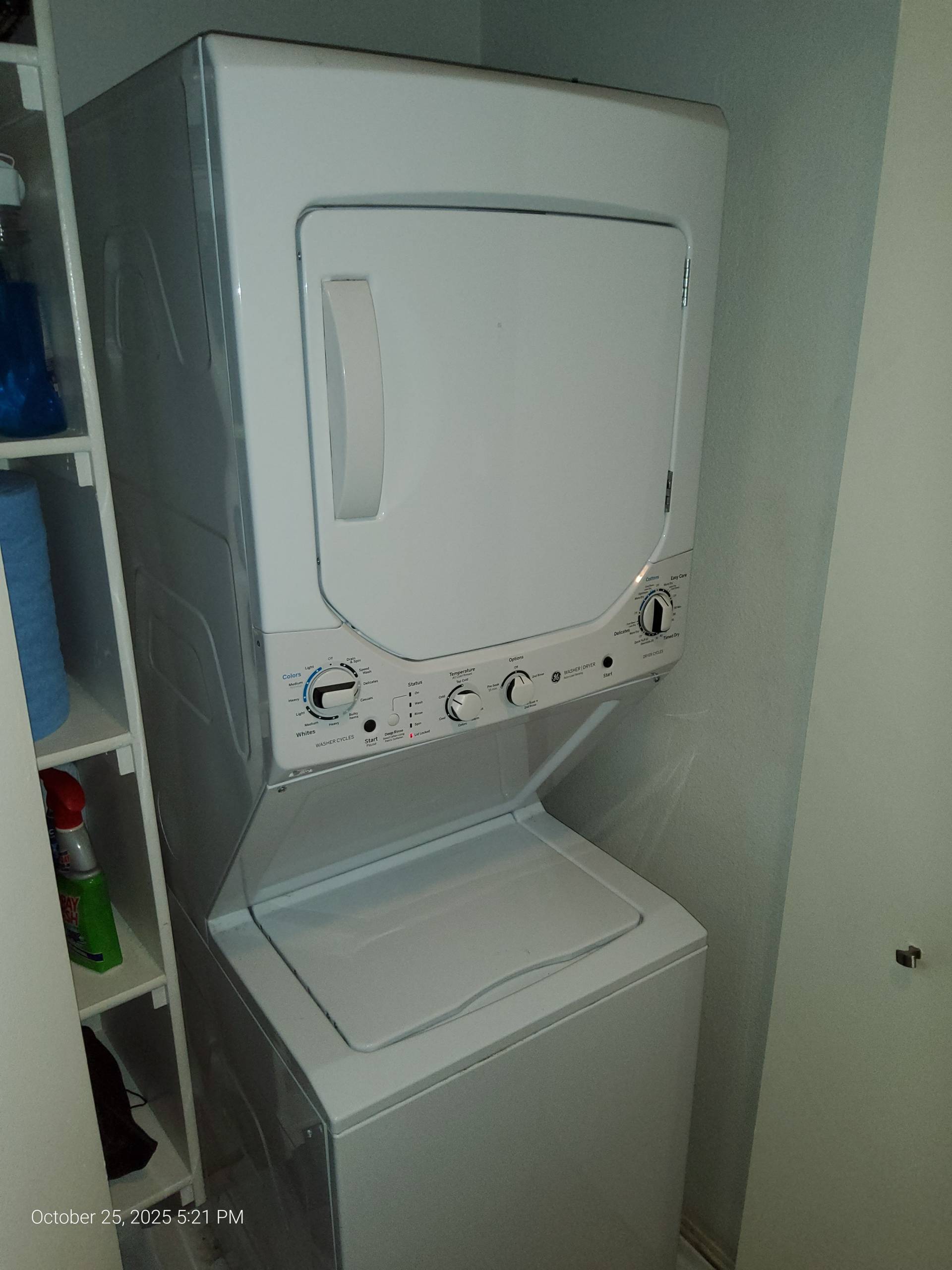
Washing machines are designed to make everyday household routines more convenient, but when the detergent drawer begins to overflow during a wash cycle, it can quickly become a frustrating and messy situation. This issue is more common than many homeowners realize, and although it may seem minor at first, ignoring it can lead to bigger problems such as internal leaks, mold formation, or even damage to electronic components. Two of the most frequent causes of detergent drawer overflow are blocked siphon channels and excessive water pressure entering the detergent compartment. Understanding what triggers this malfunction can help you take action early and prevent further complications.
One of the primary reasons a drawer overflows is a blockage in the siphon system that allows detergent and softener to flow into the drum. Each compartment in the detergent drawer contains small siphon channels responsible for pulling the product into the wash water. Over time, detergent residues, fabric softener, and minerals from hard water begin to accumulate inside these channels. As the buildup thickens, the siphon effect becomes weaker, and instead of being drawn into the drum, water rises and spills out of the drawer. This problem often occurs gradually, making it easy to overlook until the overflow becomes visible during a wash cycle.
Another contributing factor is inadequate cleaning. Many washing machine owners rarely remove and rinse the detergent drawer, even though manufacturers recommend regular maintenance. When the drawer is not thoroughly cleaned, residues harden and create partial blockages that disrupt the water flow. As the siphon channels narrow, water cannot pass through efficiently, causing it to push back and spill over the edge. Mold and mildew can also develop around these areas, worsening the blockage and contributing to unpleasant odors.
Excessive water pressure is another major factor that can cause overflowing. Washing machines rely on a balanced flow of water entering through the inlet valve. If the household water pressure is unusually high, the water can enter the detergent drawer too quickly. When the volume of incoming water exceeds the capacity of the drawer’s drainage system, overflow is almost inevitable. High water pressure may also cause splashing within the drawer, leading to leakage even when the siphon channels are not fully blocked. This issue is especially common in homes with recently updated plumbing systems or those located in multi-story buildings where pressure tends to fluctuate.
Apart from water pressure, malfunctioning inlet valves can contribute to overflow. When the valves fail to regulate water flow properly, the machine may draw in more water than required during the prewash or main wash cycle. This excessive amount overwhelms the drawer, leading to spillage. Additionally, if the washer tilts slightly forward due to uneven flooring, the angle can encourage water to escape from the front of the detergent compartment.
The consequences of ignoring this problem go beyond the inconvenience of cleaning spilled water from the floor. Continuous overflow may cause detergent to run down the internal components of the washing machine. This can lead to corrosion, electrical issues, and long-term wear on hardware not meant to be exposed to moisture. Water leaking from the detergent area can also cause damage to surrounding cabinets, walls, and flooring. If mold begins to grow in the detergent area due to moisture buildup, the washing machine interior may develop persistent odors that affect the cleanliness of the laundry.
Addressing detergent drawer overflow begins with regular cleaning. Removing the drawer, rinsing it under warm water, and scrubbing the siphon channels can significantly improve performance. Checking the compartments for hardened detergent or fabric softener allows homeowners to restore proper flow and prevent future overflow. However, if the problem persists even after cleaning, professional diagnosis may be necessary.
A technician can assess whether high water pressure is affecting the washing machine by inspecting the inlet valves and flow regulation system. In some cases, installing a pressure limiting valve may be recommended. A professional can also identify whether internal parts such as the siphon housing, drawer runners, or valve system are damaged or misaligned. Since modern washing machines contain sensitive components, timely repair is crucial to avoid additional complications.
If your washing machine’s detergent drawer is overflowing repeatedly, it is a sign that the machine needs specialist attention. Whether the issue is caused by blocked siphon channels, excessive water pressure, or an internal malfunction, allowing the problem to continue can lead to bigger and more expensive repairs in the future.
For a reliable solution, contact San Diego Appliance Repair Service. Our experienced technicians will inspect your washing machine, identify the root cause of the overflow, and restore the appliance to proper working condition. Schedule your service today and prevent further damage to your home and laundry routine.
Contact us
(619) 719-5005
[email protected]