
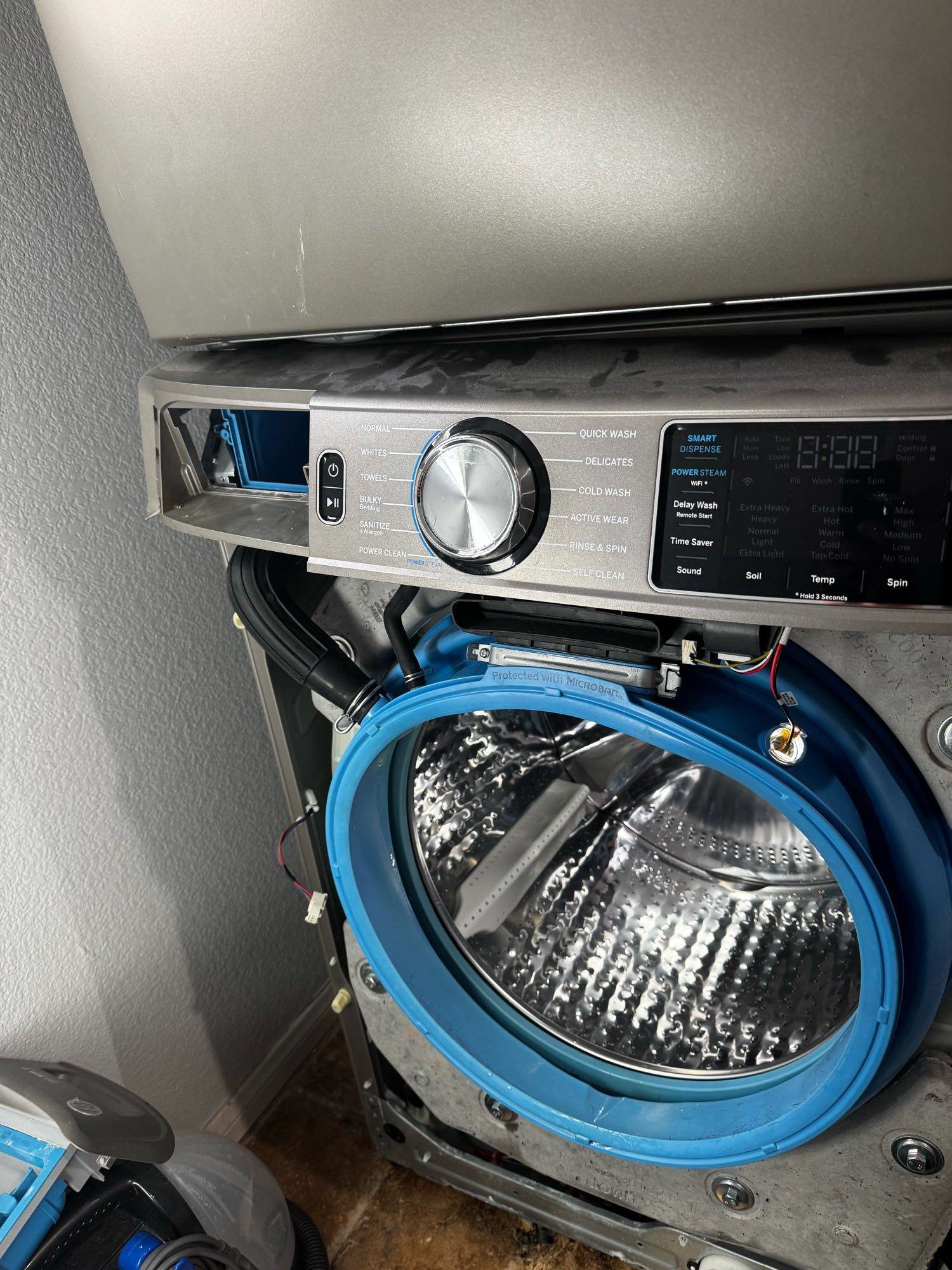
Many homeowners assume that if a washing machine drains properly, it is functioning correctly. Yet, a surprisingly common problem persists: detergent residue remaining on clothes even after a complete wash cycle. This can be frustrating, as clothes may feel stiff, develop an unpleasant odor, or even trigger skin irritation. While many people blame the type of detergent or water hardness, the real culprit is often a hidden fault in the washing machine’s dosing system.
Modern washing machines are designed to deliver precise amounts of detergent based on load size and water level. The dosing system regulates the flow of detergent into the drum, ensuring that it dissolves fully during the wash cycle. Over time, however, components such as the detergent drawer, hoses, or internal valves can accumulate limescale, soap scum, or debris. This buildup can obstruct detergent flow, causing it to remain in the drawer or only partially reach the drum. The result? Clothes that appear clean but retain detergent residue.
Homeowners often notice this problem after switching detergents, washing smaller loads, or using high-efficiency machines. Low-sudsing detergents, which are recommended for modern machines, can still leave traces if the dosing system isn’t functioning optimally. Similarly, overdosing or underdosing detergent can exacerbate the issue, as the machine’s sensors may not compensate correctly.
Signs that your washing machine dosing system may be faulty include:
- Detergent residue on the inside of the drum or door seal.
- White powdery or sticky spots on clothes even after rinsing.
- A detergent drawer that looks clogged or difficult to clean.
- Clothes that feel stiff, scratchy, or retain odor after washing.