
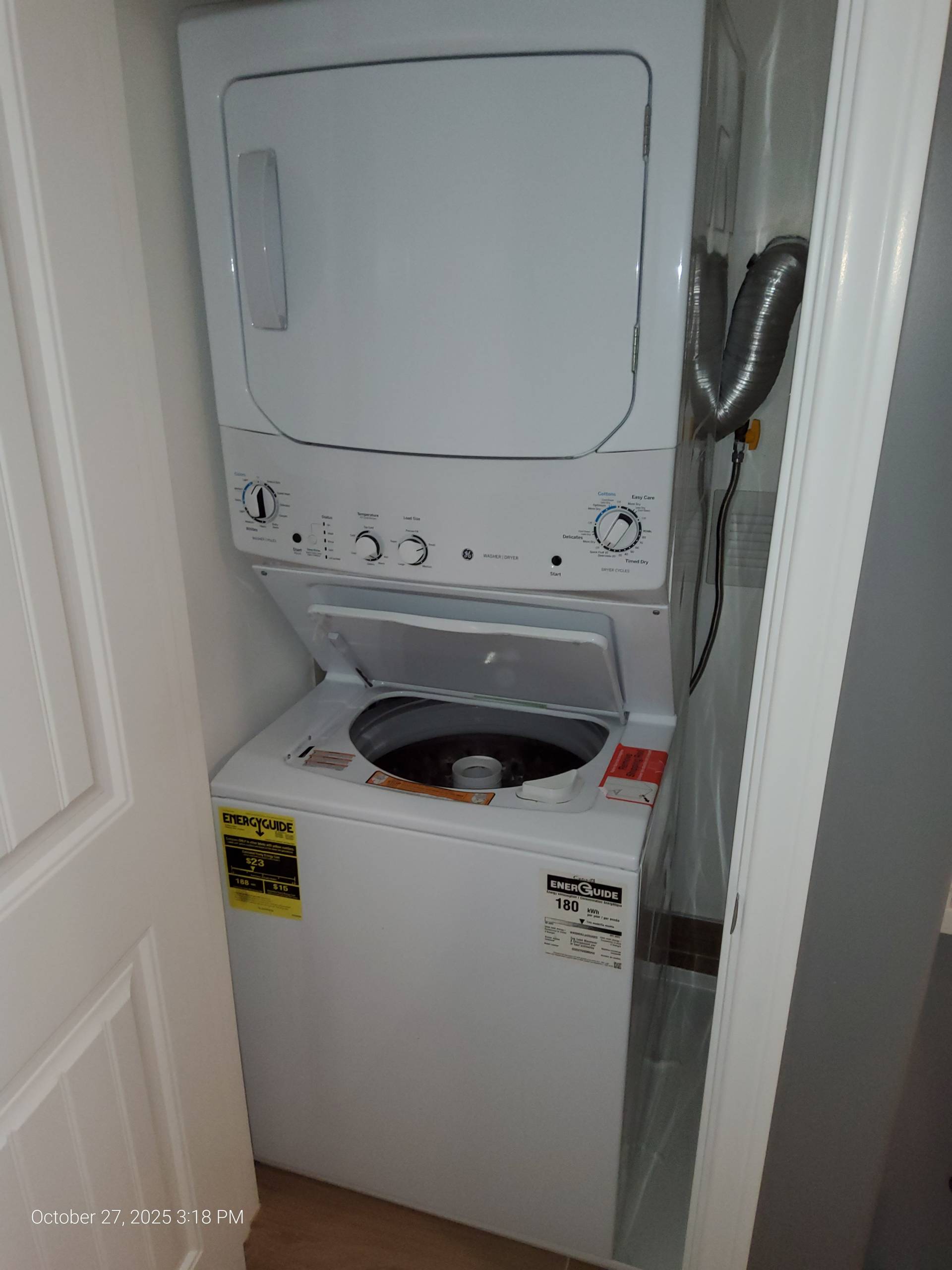
Modern washing machines are designed for convenience and efficiency. With just a few taps, cycles start, water levels adjust, and fabrics are washed to perfection. Yet, behind the sleek touch panels and responsive buttons, hidden electronic issues can quietly develop. One of the earliest signs that something is wrong is deceptively simple: the washer responds to buttons with a delay. Many users dismiss it as a minor inconvenience, but in reality, this small warning can signal an electronic malfunction that, if ignored, may lead to costly repairs.
When a washing machine’s controls start to lag, it often points to early-stage issues within the electronic control board. The control board acts as the brain of the appliance, interpreting input from the user interface and sending commands to the motor, water inlet valves, and other components. A delayed response from the buttons may indicate that the board is struggling to process commands efficiently. This could be caused by several factors:
- Loose or corroded connections: Over time, moisture and vibrations can affect the connectors between the control board and the buttons. This disrupts communication and slows response times.
- Worn-out touchpad or buttons: Frequent use can wear down the sensors behind the buttons, causing them to register input slowly or inconsistently.
- Voltage fluctuations: Electrical instability can interfere with the control board, making it temporarily unresponsive.
- Aging electronics: Just like any other device, washing machines have components that degrade with age. Capacitors, resistors, or microchips on the control board can start failing, causing delayed reactions.
- Inconsistent button response: Some buttons work immediately, while others take several seconds.
- Unusual noises: Clicking or buzzing sounds when pressing buttons can indicate electrical stress.
- Error codes: Many modern washers will display error codes if the control board detects irregularities. Ignoring them can worsen the problem.