
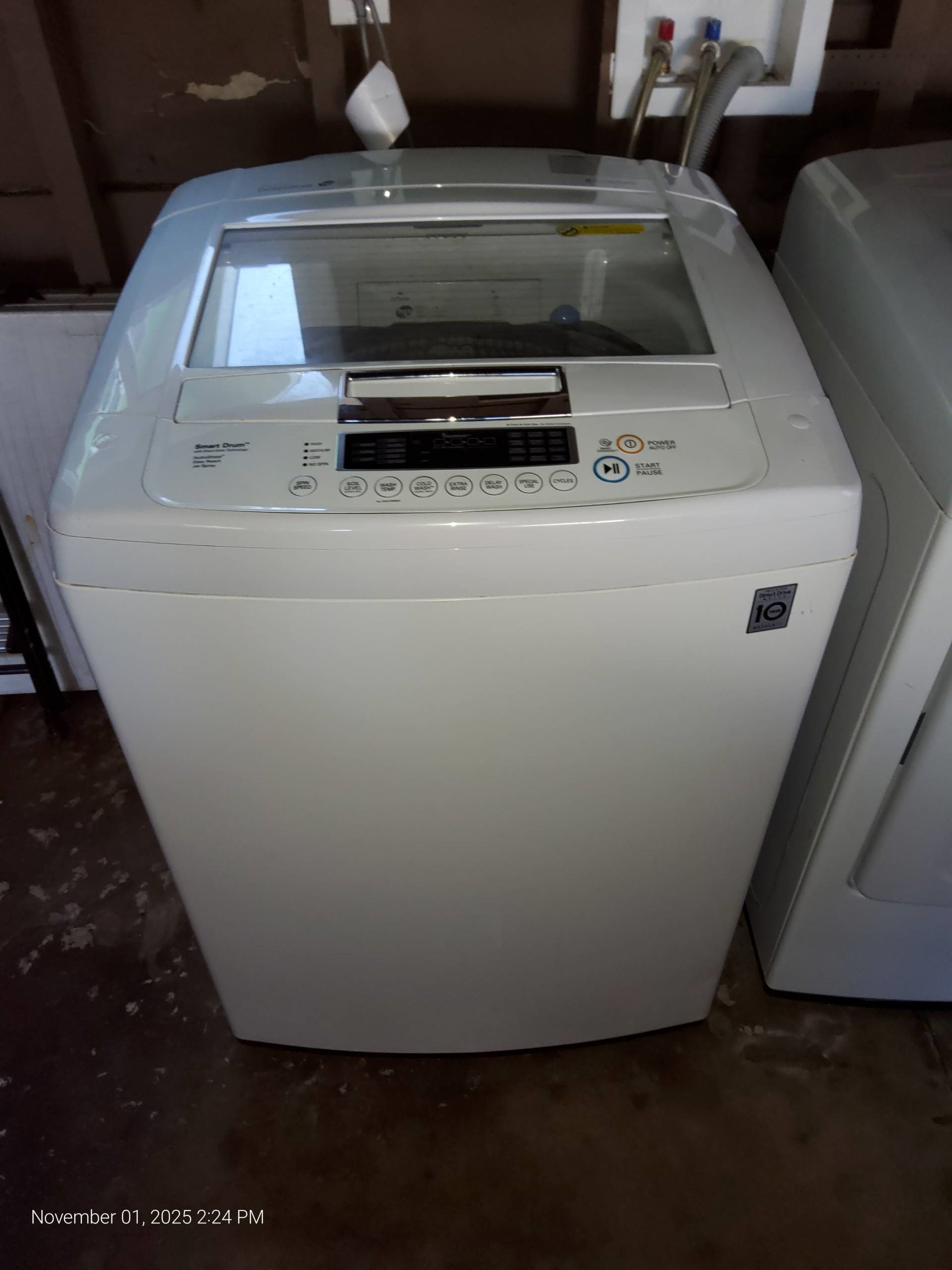
Your washing machine may seem to be working perfectly. Every cycle completes on time, clothes come out clean, and the drum spins smoothly. But if you’ve noticed your favorite shirts or delicate fabrics showing signs of wear sooner than expected, the problem could be hiding deep inside your machine — a friction imbalance silently damaging your laundry.
Many people assume that a washer’s main role is simply to clean clothes. While cleanliness is the most visible outcome, the way the machine handles fabrics is just as critical. A friction imbalance occurs when the rotational forces within the drum or agitator are unevenly distributed. This subtle issue may not trigger loud noises, leaks, or error codes, so it often goes unnoticed. Yet over time, it can have a serious impact on fabric fibers, shortening the lifespan of clothing.
What Causes Friction Imbalance?
Several factors contribute to friction imbalance in washing machines. One common culprit is uneven wear of internal components such as bearings, suspension springs, or the drum support system. When these parts lose their balance or fail to move fluidly, the drum may rotate in a slightly off-center or uneven pattern. Even a minor misalignment can cause clothes to rub against each other or the drum walls in a harsher way than intended.
Another factor is improper load distribution. While modern washers often have sensors to adjust for load size, heavy or unevenly placed laundry can still strain the drum. Repeated cycles with such uneven loads can exacerbate the imbalance over time.
Finally, accumulated debris, mineral deposits, or worn seals can interfere with smooth rotation. These small obstructions may not prevent the washer from completing a cycle, but they increase internal friction and lead to more aggressive fabric contact.
Signs Your Washer May Be Causing Fabric Wear
Even if your laundry seems clean, subtle changes can indicate friction imbalance:
- Clothes feel rougher or fibers appear frayed after washing.
- Pilling appears on fabrics that were previously smooth.
- Stretchable materials lose elasticity faster than expected.
- Delicate fabrics like silk or fine cotton show tiny tears or thinning threads.
- Sort laundry by fabric type and weight to prevent heavy items from rubbing against delicate fabrics.
- Avoid overloading the washer, which increases strain on internal components.
- Use the correct cycle for each type of fabric. Gentle cycles reduce friction exposure for sensitive items.
- Consider using mesh laundry bags for delicate garments to provide an extra layer of protection.