
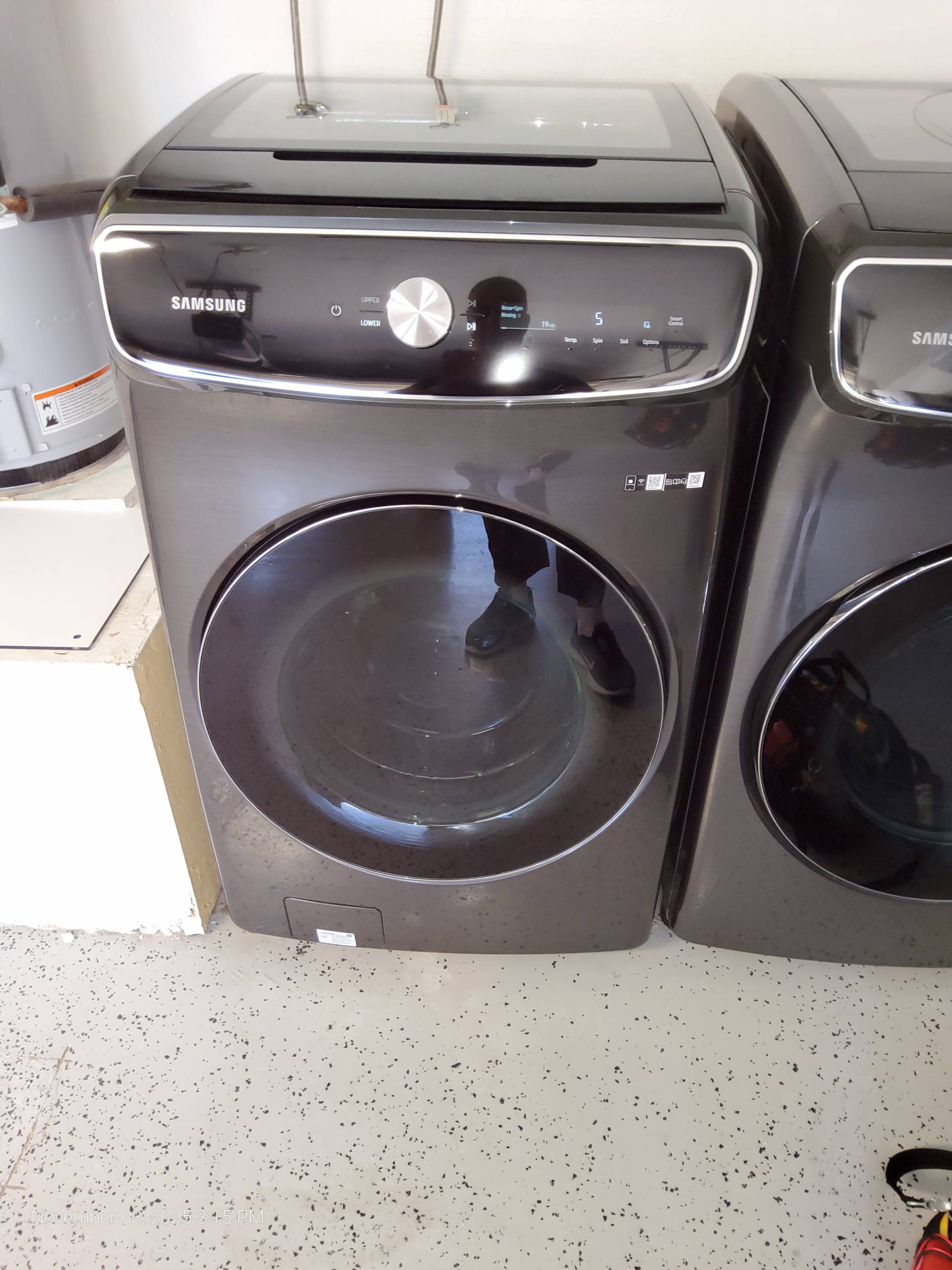
Most homeowners believe that washing small loads is gentler on their washing machine. Less weight, less strain — it sounds logical. But there’s a subtle washer problem that quietly turns frequent small loads into one of the most expensive repairs we see. And because the machine keeps running “normally,” many people don’t realize what’s happening until real damage is already done.
The issue isn’t the size of the load itself. It’s what repeated small loads do to the washer’s balance system, suspension, and internal components over time.
Why Small Loads Aren’t as Harmless as They Seem
Modern washing machines are designed to work best within a specific weight range. When the drum spins with a properly distributed load, the suspension system keeps everything stable and controlled. With very small loads, especially lightweight items like towels, athletic wear, or single bedding pieces, the drum often fails to balance correctly during the spin cycle. At first, the washer compensates. It redistributes the load, adjusts spin speed, and tries again. But when this happens over and over, the stress shifts from the laundry to the machine itself.The Hidden Damage Happening Inside the Washer
Every time the drum spins unevenly, several critical components absorb extra strain:- Shock absorbers and suspension rods work harder to control vibration
- Drum bearings experience uneven pressure
- Motor couplings and drive components handle inconsistent resistance
- Mounting brackets and frame supports absorb repeated micro-impacts
The Early Warning Signs Most Owners Miss
This problem rarely announces itself loudly at first. Instead, it shows up in subtle ways that are easy to ignore:- The washer vibrates slightly more than it used to
- The spin cycle sounds “heavier” or longer
- Clothes come out twisted or unevenly spun
- The machine pauses during spin more often
- A faint knocking or dull thumping appears occasionally
Why This Turns Into a Costly Repair
As suspension components wear out, the drum begins to move beyond its safe range. That movement transfers force to parts that are never meant to absorb it. Eventually, one of two expensive failures occurs:- Worn drum bearings Bearings are sealed deep inside the washer. Once damaged, they create grinding noises and allow water intrusion, often requiring major disassembly or full tub replacement.
- Broken suspension or mounting damage When shocks or rods fail completely, the drum can strike the cabinet, crack mounting points, or damage the motor and control components.
Why DIY Fixes Usually Miss the Real Problem
Many homeowners try quick solutions: redistributing laundry, tightening feet, or reducing spin speed. While these steps may temporarily reduce vibration, they don’t repair worn suspension or internal damage. The real issue isn’t the floor or the load placement anymore — it’s the components that have been compensating for imbalance for months or years.How to Prevent This Problem From Escalating
You can protect your washer with a few simple habits:- Avoid running extremely small loads whenever possible
- Mix lightweight items with heavier pieces to improve balance
- Pay attention to changes in sound or movement
- Don’t ignore repeated spin cycle adjustments
- Schedule a professional inspection if vibration increases