
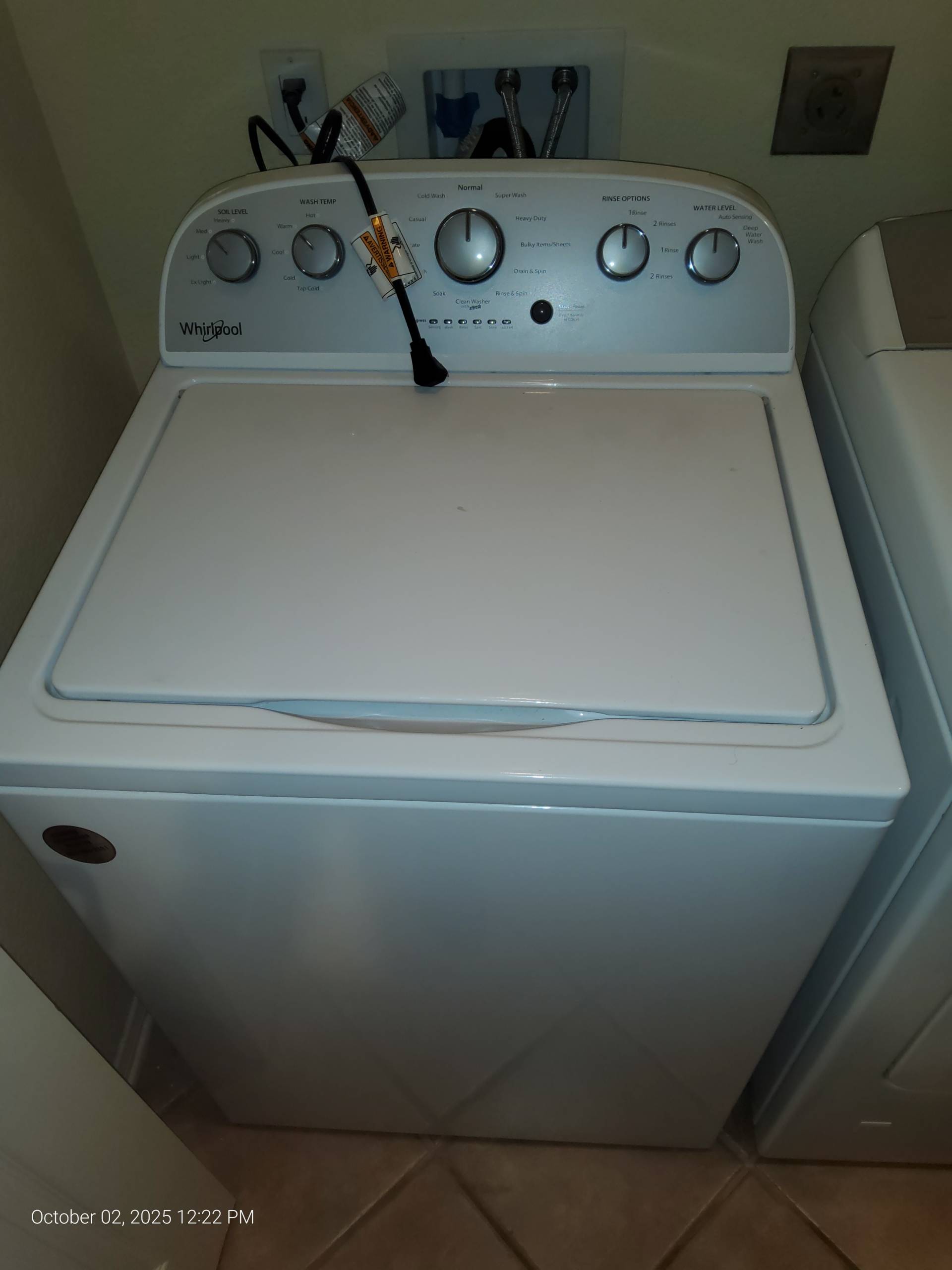
If your freshly washed laundry comes out smelling worse than before, you’re not alone. Many homeowners assume the culprit is cheap detergent, cold water cycles, or simply forgetting to unload clothes quickly enough. But these everyday assumptions rarely explain the persistent, sour, or musty odor that returns wash after wash. The real reason often lies deeper inside your washing machine, and it’s a problem most people never even think about until the smell becomes impossible to ignore.
Modern washing machines are designed to be energy efficient, using less water and lower temperatures. While this benefits your utility bill, it also creates an environment inside the washer that encourages buildup. Over time, a mixture of detergent residue, fabric softener, skin oils, dirt particles, and minerals from hard water accumulate in areas you can’t see. These deposits settle in the drum crevices, behind the rubber door gasket, inside the detergent drawer, and especially within the drainage system. When warm water cycles pass through these hidden pockets, bacteria thrive and release strong odors that cling to your clothing.
One of the most common hidden causes is a partially clogged drain system. If water does not fully exit the machine after each wash, small amounts remain trapped inside hoses or drainage channels. This leftover water becomes stagnant, creating the perfect breeding ground for mold. Each time you start a new cycle, this contaminated water mixes with fresh water and coats your clothes in a subtle film that produces an unpleasant smell. In severe cases, you can even smell the odor from the outside of the machine, especially after running warm or hot cycles.
Another surprising culprit is detergent overuse. It seems logical that more soap should equal cleaner clothes, but the opposite is true in high-efficiency machines. Excess detergent does not fully dissolve and instead sticks to the inner surfaces of the washer. This residue traps lint and grime, forming sticky layers that never get rinsed away. When bacteria feed on this buildup, the result is an odor that no scented detergent can mask. Even switching brands or using more aggressive cleaning pods won’t fix the root cause.
The rubber door gasket, especially on front-loading washing machines, is another hotspot for odor formation. Moisture gets trapped in the folds of the gasket after every load, and without regular cleaning, mold grows quickly. Many people assume the smell comes from their clothes, but in reality, the odor rises directly from the gasket the moment you open the washer door. You might also notice slimy residue or dark spots inside the folds, another sign that bacteria have taken over.
Ventilation issues also contribute to persistent odors. Keeping the washer door closed between cycles traps humidity inside the machine. This dark, warm, damp environment accelerates microbial growth. Even if your washer is spotless, poor airflow can ruin your efforts, making the interior smell stale long before the next wash.
Hard water can be a hidden factor as well. Mineral deposits slowly coat internal surfaces, including the heating element, where they mix with detergent residue. This combination becomes baked on during hot cycles, producing an unpleasant smell and reducing your machine’s ability to clean effectively. If you live in an area with hard water, your washing machine likely needs more frequent maintenance than you realize.
While many homeowners attempt DIY cleaning methods, these temporary solutions rarely eliminate the deeper problem. Running a hot cycle with vinegar or baking soda may freshen the drum, but it will not clear clogged drainage channels or remove buildup from hidden components. In some cases, the odor may return within days. That’s because professional disassembly and inspection are needed to fully diagnose where the bacterial growth is occurring.
A trained technician can access the areas that the average homeowner cannot: the internal drain hose, pump filter, pressure switch chamber, tub-to-pump connection, and internal cavities within the machine. They can remove compacted lint, hardened detergent residue, mold clusters, and mineral blockages. This level of cleaning not only restores freshness but prevents further mechanical issues, such as pump failure or slow draining.
Ignoring the smell may seem harmless, but prolonged buildup can lead to larger problems. The machine may begin to vibrate excessively, stop mid-cycle, leak from the bottom, or even fail to spin properly due to blocked drainage. What starts as a minor odor can quickly evolve into costly repairs if the underlying cause isn’t addressed.
If you’ve tried switching detergents, running cleaning cycles, or airing out your machine and the smell still returns, it’s time to consider professional help. Persistent odors are often a symptom of mechanical or structural issues within the washing machine that require expert attention.
For a long-lasting fix and a machine that leaves your laundry truly fresh, contact San Diego Appliance Repair Service. We’ll identify the real cause behind the smell and restore your washer to optimal performance.
Contact us
(619) 719-5005
[email protected]