
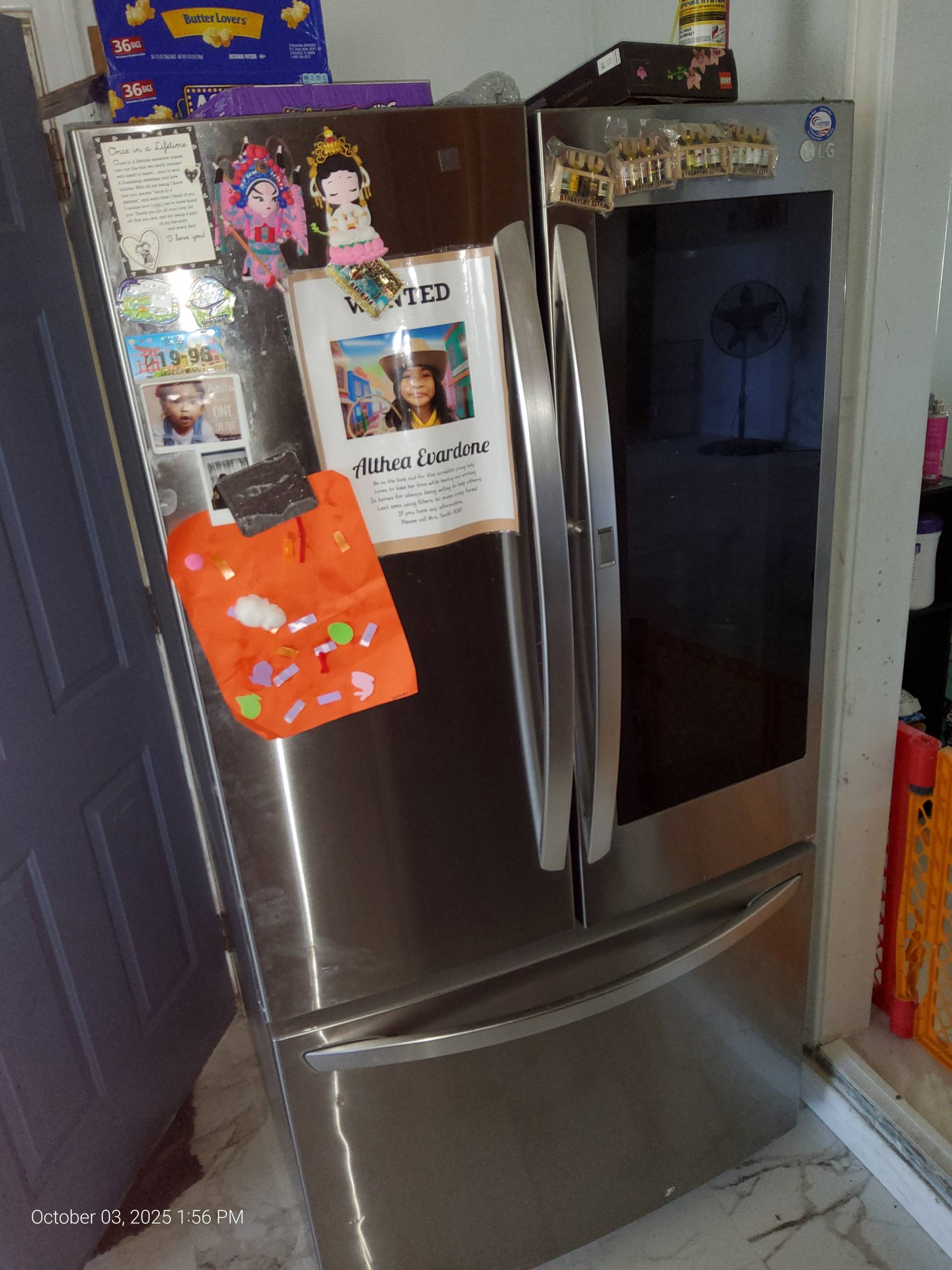
You open your refrigerator and something doesn’t make sense. Milk on the top shelf spoils early, vegetables in the crisper freeze solid, and leftovers on the door barely stay cold. The temperature setting hasn’t changed, the fridge sounds normal, and yet food keeps going bad in unpredictable ways.
Uneven cooling is one of the most common refrigerator complaints — and also one of the most misunderstood. Many homeowners assume the appliance is “just old” or that the thermostat is failing. In reality, the problem is often a hidden airflow issue that quietly disrupts how cold air moves inside the refrigerator.
How refrigerator airflow is supposed to work
Modern refrigerators don’t cool every shelf individually. Instead, cold air is produced in one area — usually near the freezer or evaporator — and then circulated throughout the fresh food compartment using vents and fans. This airflow system is carefully designed to:- Push cold air evenly across shelves
- Pull warmer air back for re-cooling
- Maintain consistent temperatures from top to bottom
The hidden airflow mistake most people make
The most common mistake is overloading or incorrectly organizing the refrigerator. Large containers, stacked food, or tightly packed shelves can block internal air vents. When vents are blocked:- Cold air gets trapped in one zone and causes freezing
- Other areas receive little airflow and stay too warm
- The thermostat receives inaccurate temperature readings
Other causes of uneven cooling
While airflow blockage is the leading issue, several other problems can contribute:- Dirty or failing evaporator fan The fan that circulates cold air may be covered in dust or ice, or it may be slowing down due to wear. Reduced airflow creates hot and cold spots inside the fridge.
- Frost buildup on the evaporator coils A defrost system failure can cause ice to build up on coils, restricting airflow and forcing cold air into limited pathways.
- Damaged or stuck air dampers Air dampers regulate how much cold air moves from the freezer into the refrigerator compartment. If they’re stuck open or closed, temperatures become unstable.
- Door seal leaks A worn gasket lets warm air in, causing condensation, freezing near vents, and uneven cooling throughout the unit.
- Improper temperature sensor readings If sensors don’t accurately detect internal temperatures, the refrigerator can’t regulate airflow correctly.
Why uneven cooling damages food and the appliance
Uneven cooling isn’t just inconvenient — it’s costly. Food spoils faster due to inconsistent temperatures and moisture levels. Freezing damages texture and taste, especially in produce and dairy. Meanwhile, the refrigerator runs longer cycles trying to balance temperatures, which increases energy consumption and puts extra strain on internal components. Left unchecked, airflow problems can lead to compressor stress, fan failure, and expensive repairs down the line.What you can safely check yourself
Before calling for service, a few basic steps may help:- Avoid overfilling shelves and blocking vents
- Keep space between items for air circulation
- Clean visible vents and check for frost buildup
- Ensure doors close tightly and seals are intact
When professional service is necessary
Airflow systems, sensors, fans, and defrost components are not DIY-friendly. Misdiagnosing the issue can lead to unnecessary part replacements or worsen the damage. A professional technician can:- Measure airflow and temperature distribution
- Inspect fans, dampers, and sensors
- Identify hidden frost or mechanical failures
- Restore balanced cooling safely and efficiently