
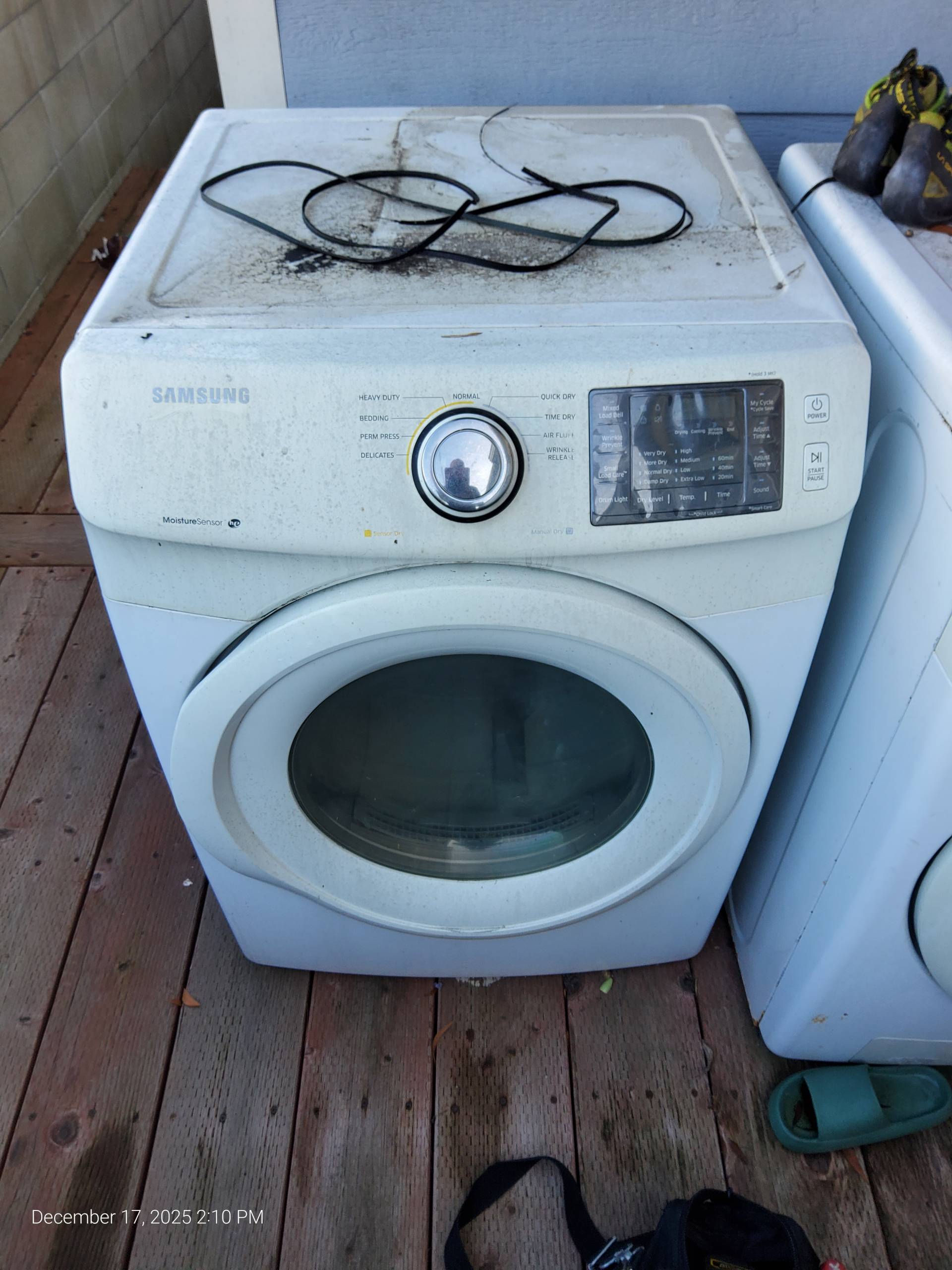
A washing machine that seems to run perfectly may hide an issue that slowly erodes its efficiency. You might notice that your laundry cycles are taking longer, even though the washer appears to operate normally. This silent efficiency loss is common and often overlooked, but addressing it early can save time, energy, and prevent further wear on your appliance.
Why Wash Times Increase Gradually
Modern washers are designed to optimize water usage, detergent distribution, and cycle length for different fabric types and soil levels. However, over time, even a well-maintained washer can develop subtle problems that lengthen cycles. Some of the main causes include:- Clogged or Partially Blocked Valves – The water inlet valve regulates the flow of water into your machine. Over time, mineral buildup or debris can partially block these valves, forcing the washer to take longer to fill. While the machine will still function, the extended fill time adds minutes, or even tens of minutes, to every cycle.
- Sensor Malfunction or Drift – Modern washers rely on sensors to detect load size, water levels, and soil levels. If these sensors begin to drift out of calibration, the washer may overcompensate by adding extra rinse cycles, more agitation, or longer spin times. The result is a noticeable increase in cycle length without any visible error codes.
- Pump or Drain Issues – A partially clogged pump or drain hose can slow down the draining process. Many washers wait for the water to completely drain before proceeding to the next phase, which can significantly extend the overall cycle.
- Software or Control Board Updates Needed – Some washers use software to manage cycles efficiently. Firmware issues, outdated control boards, or minor glitches can cause the machine to default to longer-than-needed wash programs.
- Build-Up Inside the Drum or Tub – Detergent residue, limescale, and fabric fibers can accumulate in the drum and internal pathways. This buildup can subtly interfere with the machine’s sensors and water flow, leading to longer cycles over time.
Signs You Shouldn’t Ignore
A gradual increase in wash time may seem harmless, but it can indicate underlying problems that, if left unchecked, may worsen. Watch for:- Cycles that now take 20–30% longer than when the washer was new.
- Unusual vibrations or noises during spin cycles.
- Partial drainage or water pooling at the bottom of the drum.
- Detergent residue left on clothes even after a complete wash.
Preventive Measures You Can Take
While some causes of slow cycles require professional attention, there are steps you can take to help maintain your washer’s efficiency:- Clean the Inlet Filters and Valves – Regularly check the water inlet screens for sediment or mineral deposits. Cleaning them can restore proper water flow and reduce fill times.
- Run Maintenance Cycles – Many modern washers have a “tub clean” or “maintenance wash” cycle. Use it with the recommended washer cleaner to remove detergent and limescale buildup.
- Inspect Hoses and Pumps – Ensure hoses are free from kinks, and periodically check the pump for debris.
- Avoid Overloading – Exceeding the recommended load size can make the washer work harder, leading to longer cycles and faster wear.
- Use the Correct Detergent – High-efficiency washers require low-sudsing detergents. Excess suds can interfere with sensors and washing mechanics.
When to Call a Professional
If preventive steps don’t resolve the issue, or if you notice additional signs like unusual noises, error codes, or persistent residue, it’s time to call a professional. A qualified technician can:- Diagnose sensor, valve, or pump malfunctions.
- Remove hidden buildup and clean internal components.
- Update control boards or software.
- Ensure your washer runs at optimal efficiency.