
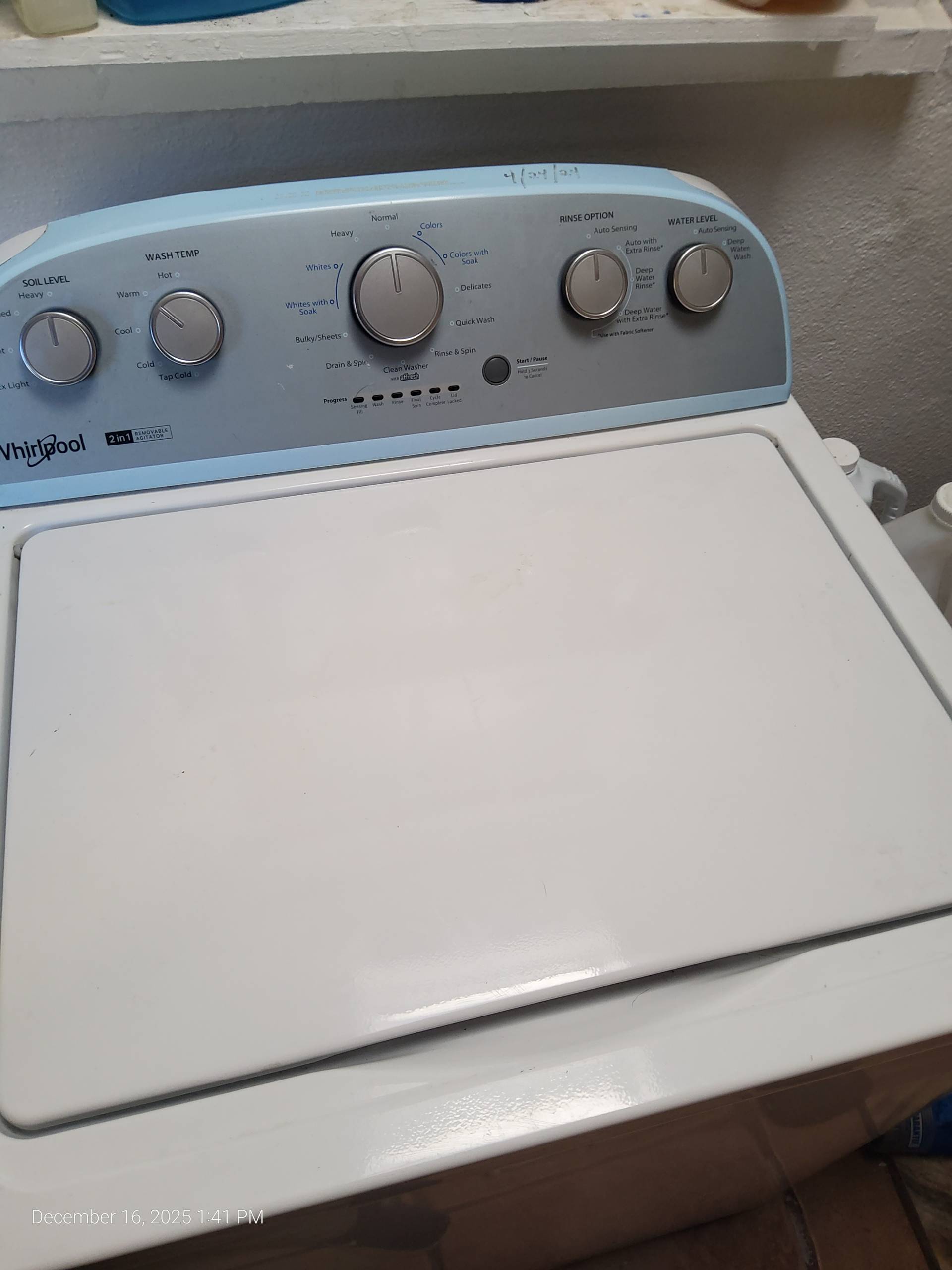
Modern washing machines are designed to be efficient, adaptive, and smart. One of their key features is automatic load sensing, a system meant to detect how much laundry is inside the drum and adjust water levels, agitation, and cycle time accordingly. On paper, it sounds ideal. In practice, however, many homeowners notice a puzzling pattern: full loads come out clean and fresh, while small loads look dull, smell musty, or still carry visible residue. This inconsistency is often traced back to a load-sensing flaw that few owners realize is even possible.
Load-sensing technology relies on a combination of sensors that measure drum resistance, motor current, and movement patterns during the initial phase of a wash cycle. Based on this data, the washer decides how much water to use and how vigorously to agitate the clothes. When everything works correctly, the system balances cleaning performance with water and energy efficiency. But small loads can confuse this process.
With fewer items in the drum, weight distribution becomes uneven. The washer may interpret the load as lighter than it actually is, or fail to recognize that concentrated soil still requires sufficient water and mechanical action. As a result, the machine often underfills, limits agitation, or shortens the wash cycle. The clothes tumble, but they do not interact with enough water or detergent to fully release dirt and oils.
Another issue is detergent activation. Most modern detergents are formulated to dissolve and work within a certain water-to-fabric ratio. When a washer underestimates a small load, it may not provide enough water for proper detergent dispersion. This leads to patchy cleaning, residue buildup on fabrics, and detergent remaining trapped in fibers rather than being rinsed away.
Over time, this load-sensing flaw creates secondary problems. Poorly cleaned small loads contribute to odor development inside the drum and hoses. Residue accumulates on internal components, which can affect sensors even more and gradually worsen performance across all load sizes. Many owners assume the issue lies with detergent choice or water quality, when in reality the washer’s adaptive system is making incorrect decisions.
It is also important to note that this problem does not always indicate a defective machine. In many cases, the load-sensing system is out of calibration. Sensors drift over time due to vibration, normal wear, or minor electronic inconsistencies. When calibration shifts, the washer still functions, but its interpretation of load size becomes less accurate, especially at the lower end of the scale.
Some users try to compensate by adding extra detergent or selecting longer cycles for small loads. While this may seem helpful, it often creates new issues, such as excessive suds, poor rinsing, or increased strain on the motor. Others stop washing small loads altogether, waiting until they have enough laundry to fill the drum, which defeats the convenience the machine was designed to provide.
Professional diagnosis is the most reliable way to address load-sensing problems. A trained technician can test sensor response, inspect control board logic, and recalibrate the system to ensure accurate readings across all load sizes. In some cases, a failing pressure sensor, motor control issue, or software error may be identified early, before it leads to more costly damage.
A properly calibrated washer should deliver consistent results regardless of load size. Small loads should clean just as effectively as full ones, without wasting water or energy. When that balance is lost, it is a sign that the machine needs expert attention, not guesswork.
If your washer consistently struggles with small loads while performing well with full ones, do not ignore the pattern. Early service can restore proper load sensing, improve cleaning performance, and extend the life of your appliance.
Call San Diego Appliance Repair Service today to schedule a professional washer inspection and calibration. Our experienced technicians will identify the root cause and help your washer deliver reliable results on every load.
Contact us
(619) 719-5005
[email protected]