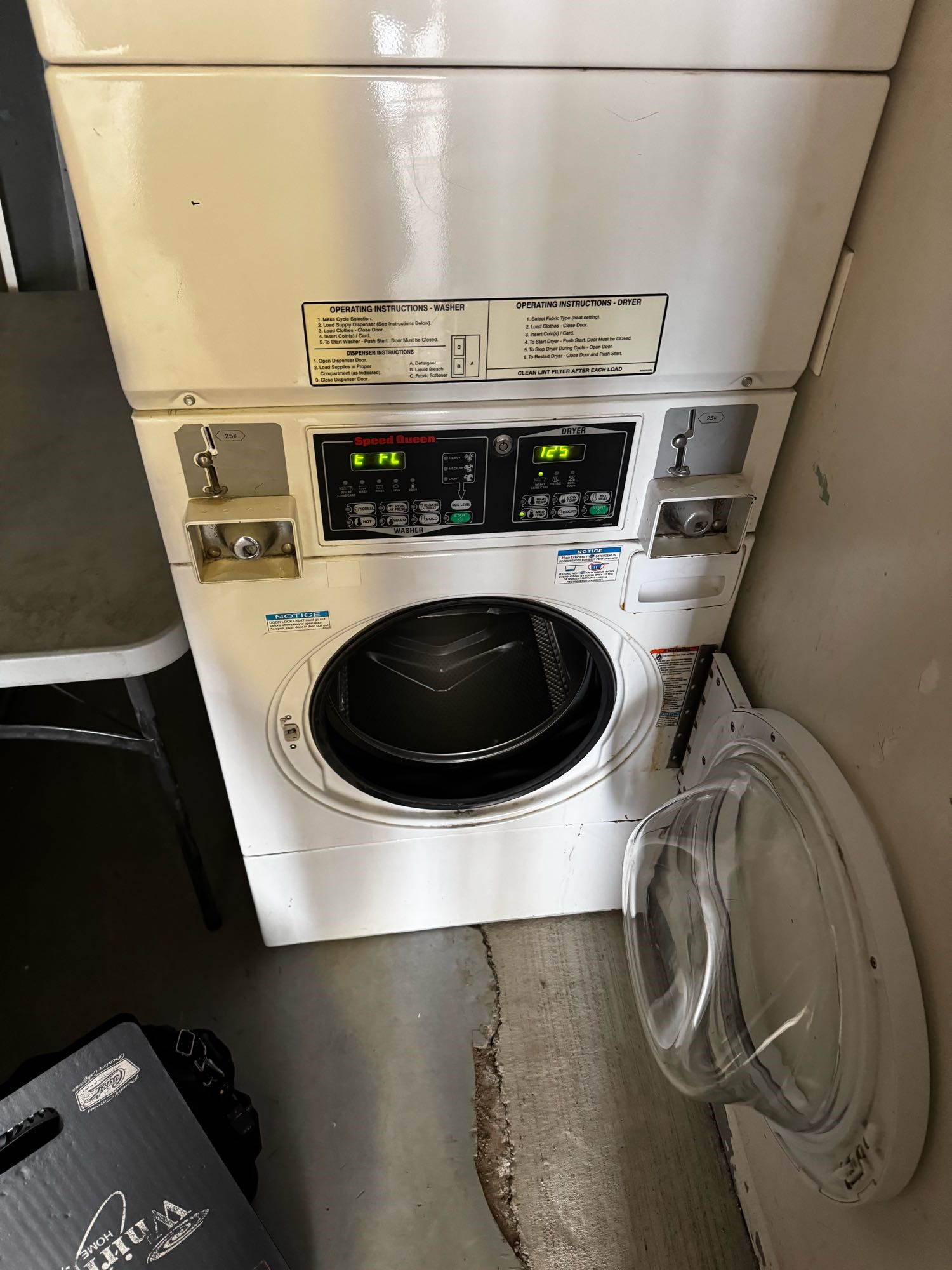
Modern washing machines are designed to balance efficiency and cleaning performance. Most users expect that when they start a cycle, the machine will thoroughly clean their clothes while optimizing water and energy use. But what happens when your washing machine suddenly finishes cycles faster than usual? At first glance, it might seem like a welcome improvement — less waiting, less energy consumed. However, the reality can be more concerning: faster cycles may come at the cost of cleaning quality, and this often signals a hidden issue known as a shortcut logic fault.
What Is a Shortcut Logic Fault?
A shortcut logic fault is a software or control-system error within the washing machine’s electronic control board. This fault misinterprets cycle programming, prompting the machine to skip or shorten certain steps it deems unnecessary. For example, the washer may reduce wash time, cut down on rinse phases, or limit agitation intensity. While this might result in a quicker cycle, it compromises the thoroughness of the wash. Clothes may emerge with residues, stains may remain, and fabric may not receive adequate care. This type of fault is increasingly common in modern, electronically controlled washers. As manufacturers focus on energy efficiency and rapid cycles, small programming glitches or control board issues can create unintended shortcuts. Users often don’t notice immediately because the machine still runs without error messages. The problem reveals itself gradually: laundry may start to smell musty, stains reappear after drying, or detergent residues remain on fabrics.How to Identify a Shortcut Logic Fault
Recognizing a shortcut logic fault early can save both clothing and your appliance. Signs to watch for include:- Shorter Wash Times: If a cycle completes noticeably faster than the usual duration, it could be skipping essential steps.
- Incomplete Cleaning: Stains that were previously removed may persist. Clothes may feel less fresh, even when the correct detergent is used.
- Excess Residue: Detergent or fabric softener may not fully dissolve, leaving streaks or build-up on garments.
- Irregular Rinsing: If clothes feel slippery, sticky, or unusually damp after a rinse cycle, this is often a symptom.
Causes of Shortcut Logic Faults
Several factors can trigger this fault:- Software Glitches: Firmware or control board software may develop errors due to power surges or internal corruption.
- Sensor Malfunction: Modern machines rely on sensors to measure load size, water level, and dirtiness. A faulty sensor may signal the control board to shorten cycles unnecessarily.
- Electronic Component Wear: Aging capacitors, relays, or other control components can intermittently fail, causing erratic cycle behavior.
- User Settings Misinterpretation: Some advanced washers learn user preferences over time. If this learning mechanism malfunctions, the machine might incorrectly assume shorter cycles are sufficient.
Why Professional Inspection Matters
While some washing machine issues can be addressed with simple resets or detergent adjustments, a shortcut logic fault is more complex. Attempting to fix electronic control boards without expertise may lead to permanent damage. Professional technicians have the tools and knowledge to diagnose control board errors, test sensors, and reprogram the system if necessary. Ignoring this issue can have several consequences:- Reduced Cleaning Performance: Your clothes won’t be truly clean, which may lead to skin irritation or lingering odors.
- Fabric Wear: Inconsistent agitation or skipped rinses can damage delicate fabrics over time.
- Increased Energy and Water Use: Ironically, trying to compensate for shorter cycles by running multiple washes may waste more energy and water than the original full cycle.
Preventive Measures and Best Practices
To avoid shortcut logic faults and maintain optimal performance:- Regular Maintenance: Clean filters, inspect hoses, and periodically run maintenance cycles.
- Monitor Cycle Duration: Keep track of usual wash times and notice sudden changes.
- Update Firmware if Available: Some modern washers allow software updates to fix known issues.
- Call Professionals Promptly: If you notice persistent performance drops or unusual cycle behavior, contact a certified repair service.