
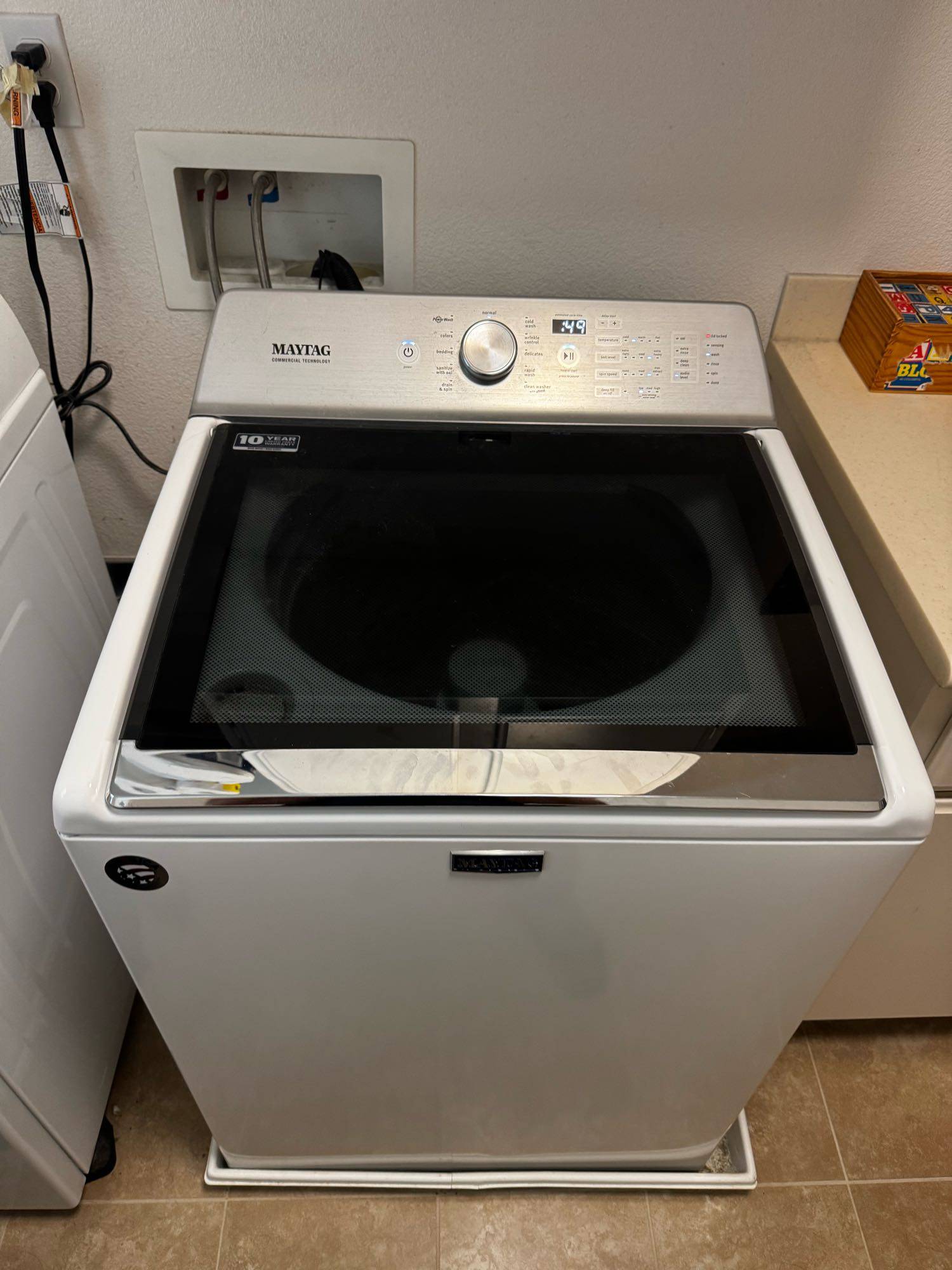
At first glance, everything seems fine. Your laundry comes out clean, fresh-smelling, and free of visible stains. Yet over time, you start to notice a subtle but frustrating change: towels feel rough, shirts lose their smoothness, and once-soft fabrics begin to feel worn and tired. Many homeowners assume this is simply the natural aging of clothes, but in reality, a hidden issue inside the washing machine is often to blame. Mechanical wear during the wash process can silently damage fabrics long before they look worn out.
Why Clean Laundry Can Still Feel Rough
Softness in fabrics depends on the integrity of fibers. When fibers remain intact and flexible, clothes feel pleasant against the skin. Mechanical wear occurs when those fibers are repeatedly stressed, stretched, or abraded during washing. Even if detergent and water remove dirt effectively, excessive friction inside the drum slowly breaks down fabric structure. This type of wear is easy to overlook because it does not cause immediate, dramatic damage. Instead, it works gradually. Load after load, fibers become weaker, shorter, and less elastic. The result is laundry that looks clean but feels stiff, thin, or scratchy.The Hidden Mechanical Causes Inside Your Washer
Several internal issues can increase mechanical stress on fabrics: Worn Drum Bearings When bearings begin to wear out, the drum may no longer rotate smoothly. Instead of a balanced, fluid motion, clothes are exposed to subtle jolts and uneven movement. This increases friction between fabrics and against the drum surface. Damaged or Rough Drum Surface Over time, small imperfections can form inside the drum. Tiny burrs, rough spots, or mineral buildup can catch on fibers during washing, slowly pulling and weakening them. Faulty Suspension or Shock Absorbers Shock absorbers are designed to keep the drum stable. When they wear out, the drum can move excessively, especially during agitation and spin cycles. This uncontrolled movement causes clothes to rub harder against each other and the drum walls. Incorrect Spin Speeds A malfunctioning control system may spin too fast or too aggressively for certain cycles. Excessive spin speed compresses fabrics tightly against the drum, squeezing and stressing fibers beyond what they are designed to handle.Why Fabric Softeners Are Not the Real Solution
Many people try to solve the problem by adding more fabric softener. While softeners can temporarily coat fibers and mask roughness, they do not address the root cause. In fact, overuse of softener can make things worse by leaving residue that stiffens fabrics over time and interferes with proper rinsing. If mechanical wear continues, no amount of softener will restore true softness. The fibers themselves are being damaged, not just dried out.Early Warning Signs to Watch For
Mechanical wear rarely announces itself loudly. Instead, it shows up through small changes:- Clothes feel thinner or rougher than before
- Towels lose absorbency along with softness
- Fabrics pill or fuzz more quickly
- Laundry seems twisted or tightly packed after washing